English
It is extremely important to choose a suitable dust mask in a dusty environment. However, there are various types and standards of dust masks on the market. How can we avoid pitfalls and make the right choices?
1、 Core standard: Identify authoritative certifications
Key principle: All dust masks with genuine protective efficacy must comply with national mandatory standards.
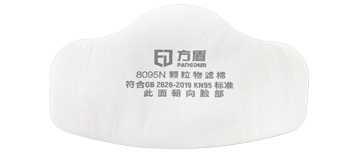
Respirators used in China to protect against particulate matter (such as dust, smoke, fog, etc.) must comply with the GB2626-2019 standard for respiratory protection, self-priming filter type particulate matter respirators. Be sure to confirm that the product clearly states this standard when making a purchase.
Understanding the level of protection:
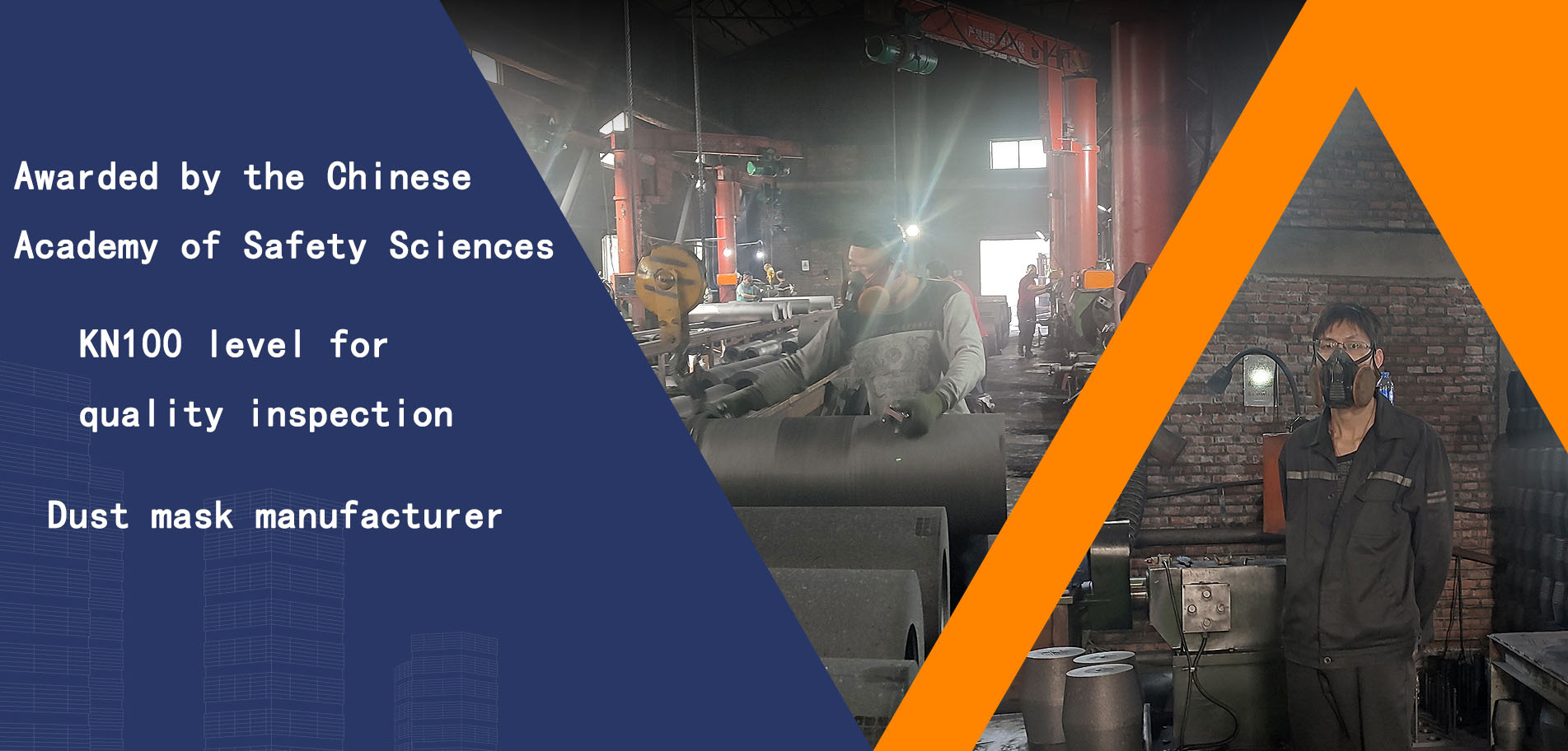
KN series: suitable for filtering non oily particles (such as dust, pollen, cement dust). Common ones include KN90 (filtration efficiency ≥ 90%) KN95(≥95%)、KN100(≥99.97%)。 You can choose this series for daily dust and haze prevention.
KP series: suitable for oily and non oily particulate matter (such as oil fume, oil mist). If in an oily environment, this series should be selected.
Attention to differentiation: Medical masks are mainly used to block droplets, and their testing conditions and protection standards are different from dust masks. It is not recommended to use them for occupational high concentration dust protection.
2、 Type selection: Match scene and face shape
The type of mask directly affects the protective effect and wearing comfort.
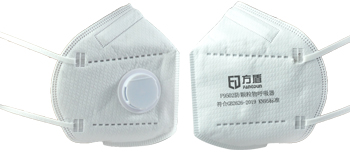
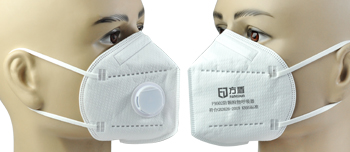
Disposable (foldable/cup shaped): It has the characteristics of being lightweight, hygienic, and maintenance free. Suitable for occasional use or short-term protection. It should be noted that when the service life is reached or the respiratory resistance increases, it should be discarded in a timely manner.
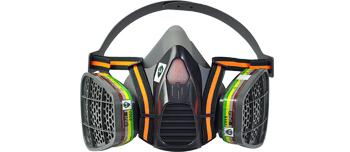
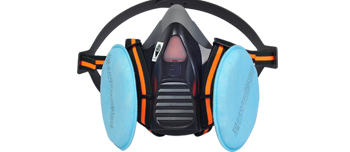
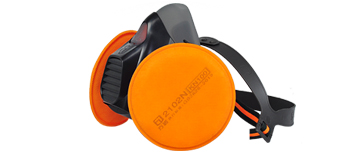
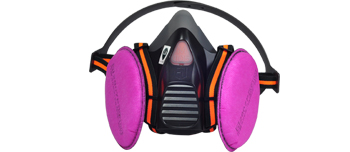
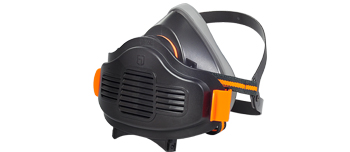
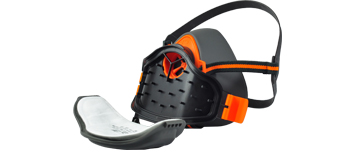
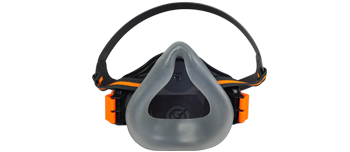
Removable (semi/full face mask): composed of a mask body and replaceable filter cotton, it is more economical for long-term use, usually with better sealing, and suitable for personnel working in dusty environments for long periods of time and high frequencies.
Sealing is crucial: the fit between the mask and the face determines the final protective effect.
Choosing a design with a flexible nose clip and headband (non ear worn) can provide more balanced pressure and better sealing effect.
Be sure to perform an air tightness check: cover the filter cotton and inhale quickly. The mask should be visibly collapsed and there should be no air leakage at the edges.
Considering the differences in face shape, products that offer multiple sizes or adjustable designs should be selected.
3、 Usage and maintenance: Proper operation ensures efficiency
Incorrect use can cause efficient mask products to lose their protective effect.
Standardized wearing: Fully unfold the mask, press the molded nose clip tightly against the nose bridge, adjust the headband to the appropriate elasticity, and ensure that the mask completely covers the mouth, nose, and chin.
Timely replacement:
Disposable mask: When the respiratory resistance significantly increases, becomes damp, dirty, damaged or deformed, or reaches the recommended usage time, it should be replaced immediately.
Replaceable filter cotton: Follow the same principle, especially paying attention to changes in respiratory resistance.
Water washing is strictly prohibited: Water washing will damage the electrostatic adsorption capacity of the core filter material, significantly reducing the filtration efficiency. If the mask is dirty or damp, the only correct way is to replace it.
Proper storage: Place the mask in a clean, dry, dark, and room temperature environment. The replaceable mask body can be cleaned, disinfected, and thoroughly dried according to the instructions.
4、 Quick Pit Avoidance Checklist
Check the label: Confirm that the product is labeled with "GB2626-2019".
Requirement: Select the appropriate level of KN/KP based on the type (oily/non oily) and concentration of dust.
Form selection: Depending on the frequency of use and working environment, decide whether to choose disposable or replaceable masks.
Trial fitting: Priority should be given to products with headband style and nose clip plasticity, and a tightness check should be conducted.
Observe breathing: In humid and hot environments, you can choose a style with a breathing valve to enhance wearing comfort.
Breaking the misconception: Beware of false advertising such as "prevent everything", "permanent use", "washable and reusable", etc.
Read instructions: Carefully read the product instructions and follow the replacement and maintenance guidelines.
Choosing a dust mask is essentially choosing a responsibility for one's own health. By grasping the four core points of "certification compliance, level correspondence, close fit, and timely updates", we can effectively avoid major risks and build a reliable respiratory defense line for ourselves in dusty environments. Scientific cognition is the primary protective measure.