English
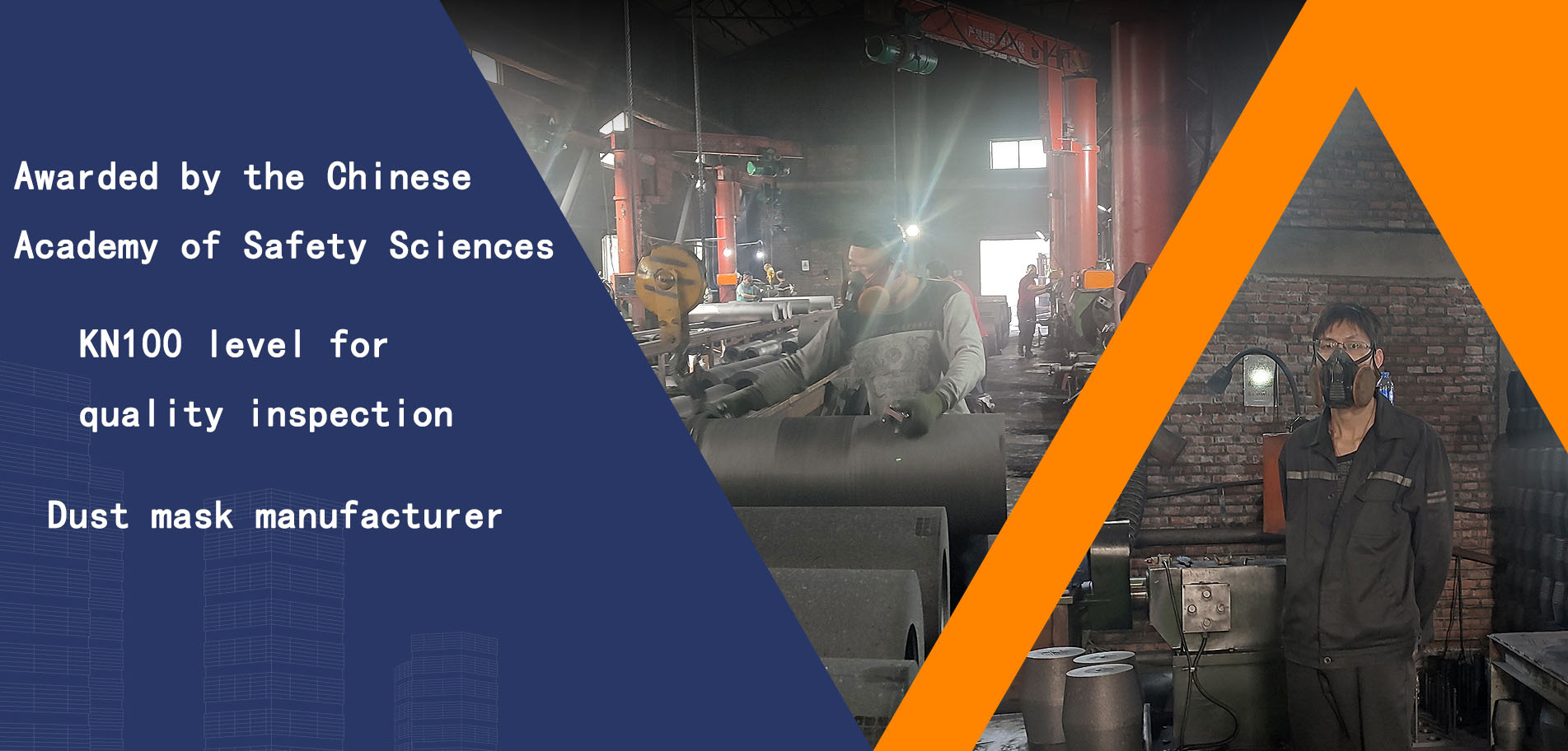
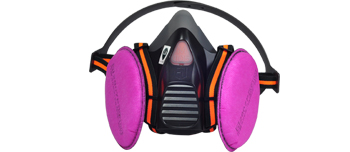
Pneumoconiosis is a chronic occupational disease caused by long-term inhalation of productive dust, and its course is irreversible. The key to prevention is to block the inhalation of dust from the source. Half face mask, as a convenient and efficient personal respiratory protective equipment, has become the core protection choice for dust operation scenarios such as mining, construction, polishing, and casting due to its advantages of comfortable wearing and strong protective performance. Combining scientific and standardized usage methods, it can build a reliable personal pneumoconiosis protection barrier.
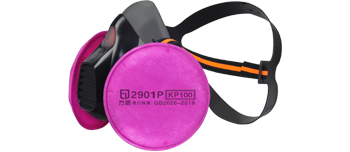
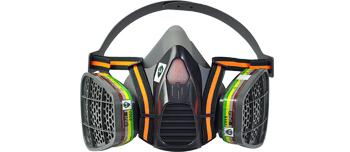
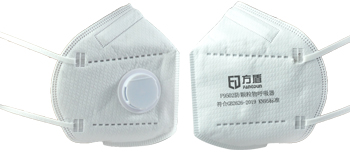
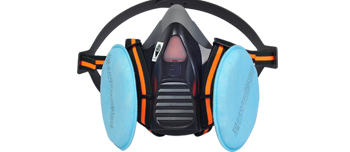
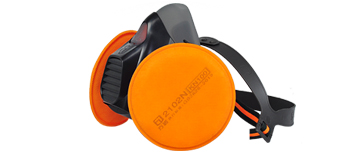
The core of the protective effectiveness of the Fangdun half mask lies in the filtering system and the sealing of the wearing. Its filtering components use specialized filter materials such as melt blown fibers, which can effectively filter respiratory dust with a diameter of less than 5 microns in the air through the dual effects of physical interception and electrostatic adsorption. It meets the national KN95 and above protection level requirements, with a filtration efficiency of over 95%, and can accurately block dust from entering the deep respiratory tract and alveolar area. The main body of the face mask is mostly made of non-toxic and non irritating flexible materials, matched with adjustable nose clips and elastic headbands, which can adapt to different face shapes, reduce the feeling of pressure when wearing, and ensure that the edges are closely attached to the face, avoiding dust leakage from the gaps.
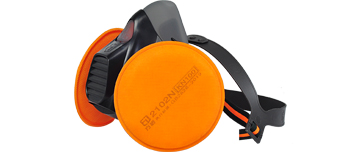
Scientific selection and standardized use are the key to maximizing the protective effect of half face masks. When selecting, it is necessary to distinguish between non oily and oily dust based on the type of operation dust, and choose the corresponding protective type of half mask; Simultaneously conducting adaptation testing based on facial shape to avoid affecting the protective effect due to loose fit. Before wearing, it is necessary to check the integrity of the face mask, confirm that the filter material is not damaged or damp, and that the headband is not aged; After wearing, a negative pressure test should be conducted. Cover the filter material interface and gently inhale. If the mask slightly collapses and there is no air leakage, it indicates that the wearing is qualified.
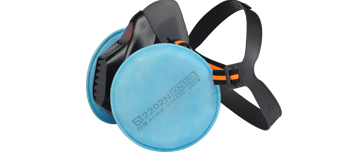
Daily maintenance and management can extend the service life of half masks and ensure the continuity of protection. After the homework is completed, the filter material should be dismantled in a timely manner, and the mask body should be cleaned with neutral detergent. After drying, it should be stored properly in a dry and ventilated place to avoid moisture, exposure to sunlight, and chemical corrosion. The filter material needs to be replaced regularly. When there is an increase in respiratory resistance, obvious dust accumulation or damage on the surface of the filter material, it should be replaced immediately to prevent the repeated use of ineffective filter materials.
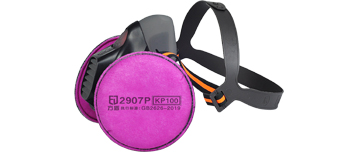
The protection of the Fangdun half mask needs to be combined with the enterprise's dust prevention management system, combined with comprehensive measures such as process innovation and wet operation, in order to achieve all-round protection. At the same time, it is necessary to strengthen the training of operators, popularize the correct use of half masks and knowledge of pneumoconiosis protection, guide operators to consciously wear and use them in a standardized manner, and build a solid defense line for dust and lung disease prevention and control from the perspective of personal protection, safeguarding the respiratory health of operators.