English
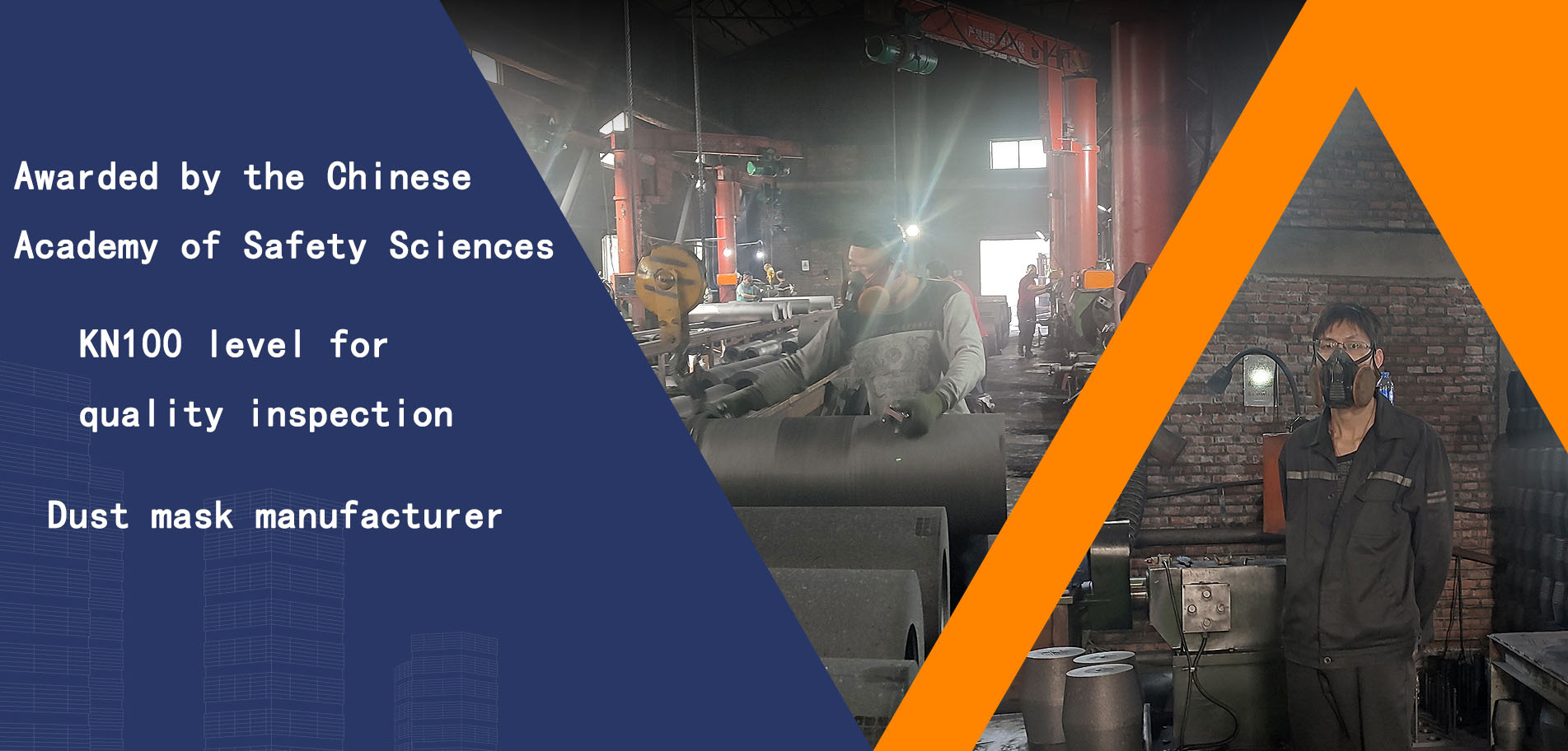
Welding and cutting operations are widely used processes in industrial production. During the operation, high-temperature metal smoke, toxic and harmful gases, and strong radiation are generated. Long term unprotected operations can seriously damage the health of operators. As a key personal protective equipment, the correct use and full understanding of the protective significance of gas masks are important links in ensuring the safety and occupational health of workers.
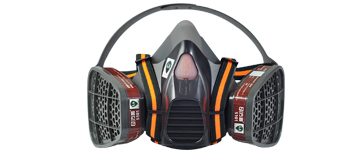
The smoke particles generated by welding and cutting are extremely small and can directly enter the alveoli. Long term inhalation can easily cause pneumoconiosis; Simultaneously accompanied by toxic substances such as carbon monoxide, nitrogen oxides, ozone, and metal vapor, short-term inhalation can cause dizziness, nausea, and respiratory irritation. Long term exposure can cause chronic poisoning, respiratory system damage, and even organ damage. Ordinary gauze masks or dust masks cannot effectively filter fine smoke and harmful gases, and specialized gas masks must be used to form a reliable protective barrier.
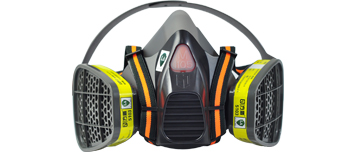
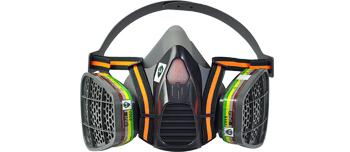
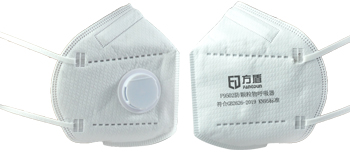
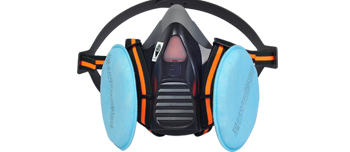
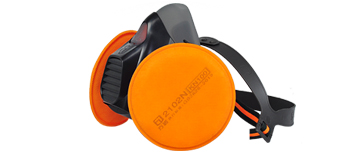
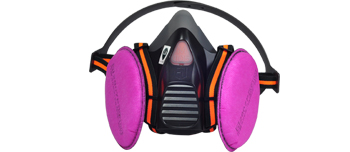
The correct use of Fangdun gas masks requires strict adherence to the five step process of selection, inspection, wearing, testing, and maintenance. Firstly, based on the selection of the work environment, a composite filtering mask that prevents smoke and harmful gases should be used for conventional welding. For enclosed spaces or high concentration polluted environments, an air supply gas mask should be selected to ensure that the protection level matches the hazard type. Before use, conduct a comprehensive inspection of the mask body to ensure that there is no damage or deformation, the filter box and filter cotton are within their expiration date and free from moisture blockage, the headband elasticity is normal, and the components are securely connected.
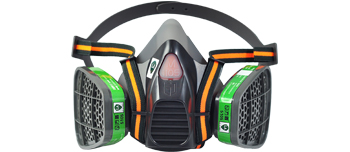
When wearing, place the mask against the face, from the chin upwards, adjust the tightness of the headband to ensure that there is no gap between the mask and the face, and that the beard and hair do not affect the seal. Subsequently, an air tightness test was conducted by manually blocking the air inlet of the filter box and slowly inhaling air. If the mask is recessed and there is no air leakage, it is considered to be well sealed; Block the exhalation valve to exhale, and only use the mask with a slight bulge and no air leakage. If you feel increased respiratory resistance, odor, or dizziness during homework, you should immediately evacuate the site to replace the filter material or check the face mask.
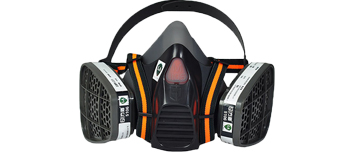
Daily maintenance is equally crucial. After using the face mask, clean the surface stains and dust in a timely manner. The filter box and filter cotton are consumables that should be replaced regularly according to the frequency of use and degree of pollution. Expired or ineffective filter materials should not be reused. The face mask should be stored in a dry, clean, and sun free environment to avoid deformation caused by compression and ensure it is ready for use at any time.
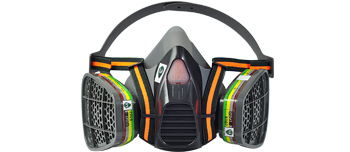
The protective significance of Fangdun gas mask is not only to block immediate hazards, but also to protect occupational health in the long term. It can effectively intercept fine welding fumes and reduce the risk of pneumoconiosis; Filter toxic gases to reduce the possibility of acute and chronic poisoning; Cooperate with facial protection to reduce the damage of arc light and high temperature splashes to the respiratory tract and face. Standardizing the use of gas masks is not only responsible for personal health, but also reduces the occurrence of occupational diseases, improves work safety, and ensures stable production operation.
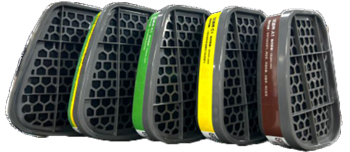
Safety protection is no small matter, and the use of gas masks is a mandatory requirement for welding and cutting operations. Operators should actively learn the correct usage methods, and enterprises need to strengthen training and supervision to ensure that protective equipment truly plays a role, building a strong health defense line for frontline operators and achieving a win-win situation for safety production and occupational protection.