English
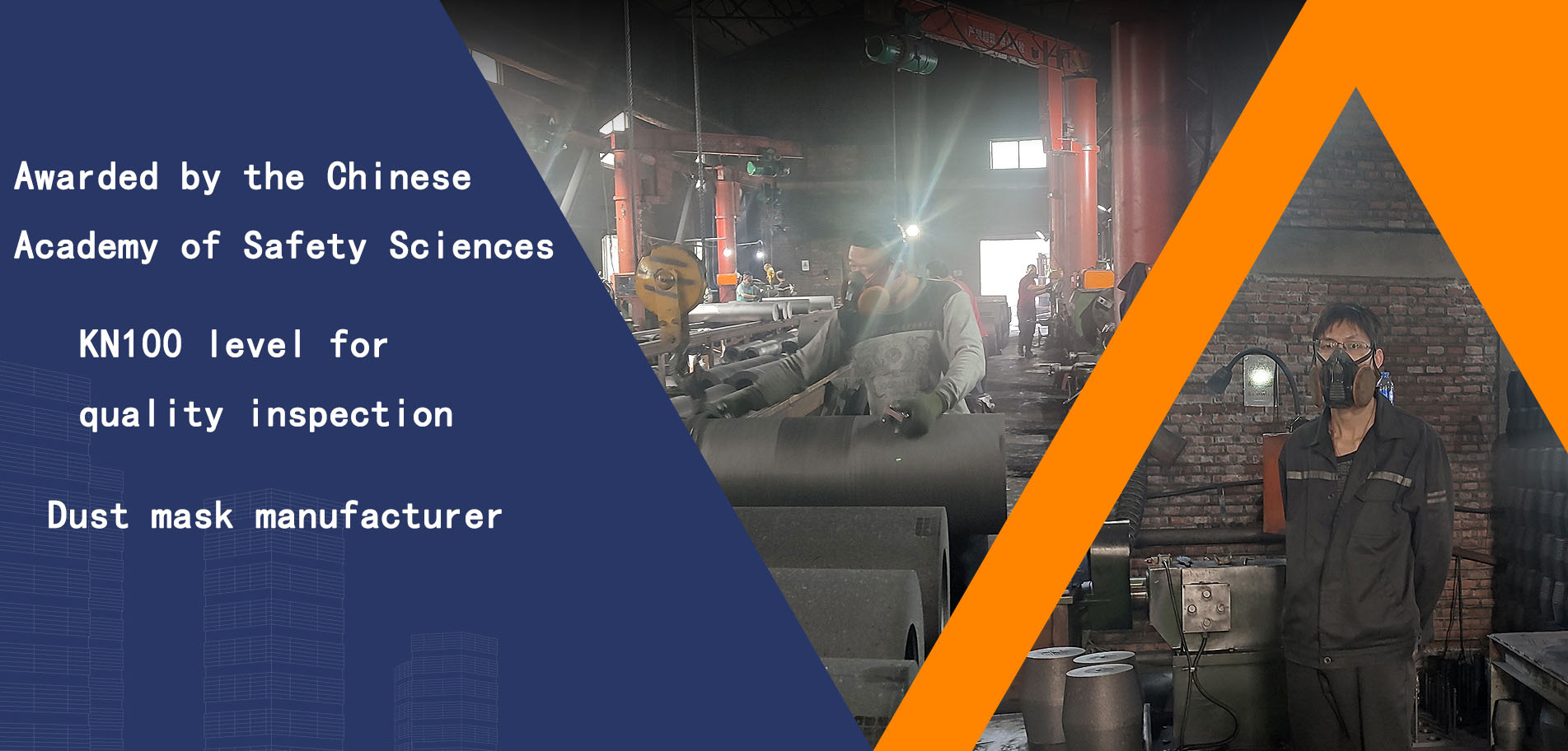
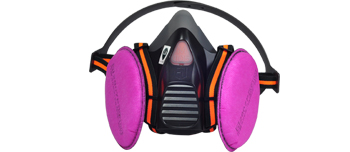
The problem of dust generated during stone processing has always been a core health hazard that troubles practitioners. Cutting, polishing, and other processes can release a large amount of silicon dust containing free silica, which may lead to irreversible pneumoconiosis if inhaled for a long time. Therefore, choosing a suitable Fangdun dust mask is not an optional equipment, but a necessary protection related to life and health.
Filtering efficiency is the primary criterion
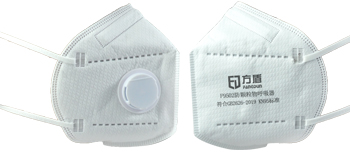
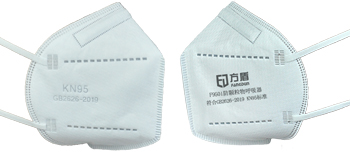
Stone dust is mainly composed of ultrafine particles, among which the particle size of respiratory dust is mostly below 5 microns, and ordinary gauze masks are almost ineffective against this. When choosing dust masks, priority should be given to their filtration efficiency level. According to the national GB 2626 standard, anti particle masks are divided into three levels: KN90, KN95, and KN100. For the environment of the stone factory, it is recommended to choose at least KN95 grade, which has a filtration efficiency of not less than 95% for non oily particles of 0.3 microns. If obvious dust is visible on the work site or if it is in a high concentration environment for a long time, KN100 level can provide more reliable protection.
The sealing determines the actual effect
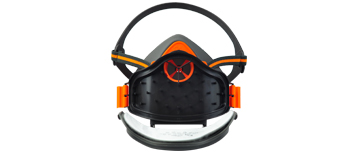
No matter how high the filtration efficiency is, if the mask does not fit tightly to the face, dirty air will still be sucked in through the gaps. Stone factory workers often need to wear them for a long time, so they should choose adjustable nose clips, three-dimensional cut cup-shaped or foldable masks. After wearing, it is necessary to perform an air tightness check: cover the mask with both hands and exhale, feeling if there is any air leakage at the edges. Facial hair and beard can seriously affect adhesion, which is often overlooked.
Respiratory resistance affects wearing intention
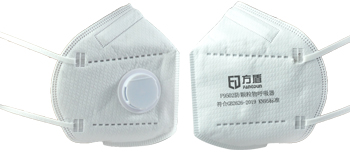
The higher the filtration efficiency of a mask, the greater the respiratory resistance. If breathing is too strenuous, workers may unconsciously pull down their masks for ventilation, rendering the protection ineffective. Masks with exhalation valves should be selected to reduce exhalation resistance, minimize internal heat and humidity accumulation, and not affect the filtration effect during inhalation.
Precautions for use and replacement
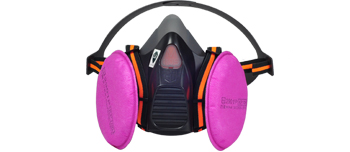
Dust masks are disposable products and should not be washed with water or wiped with alcohol, as this can damage the electrostatic adsorption layer. The mask should be replaced immediately if it is deformed or damaged, has significantly increased respiratory resistance, has obvious discoloration or odor on the inside, or has been used for more than 20 days. It is recommended that the stone factory implement a daily replacement system and include masks in the regular distribution list of labor protection equipment.