English
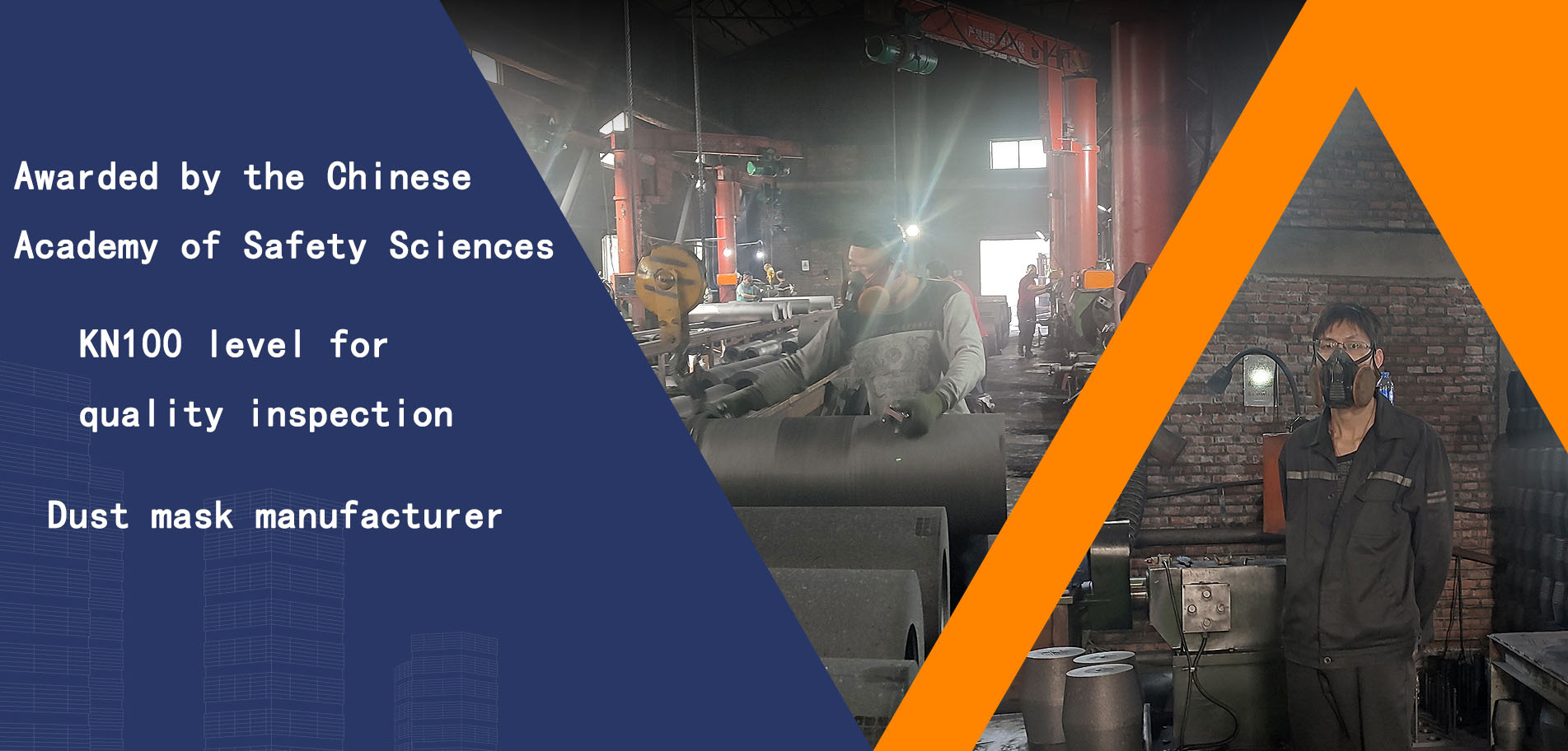
In various industrial production and special working environments, there are often large amounts of harmful substances suspended in the air that are invisible to the naked eye. Long term inhalation can seriously damage respiratory health. Fangdun gas and dust masks, as important personal protective equipment, are indispensable in the following job positions.
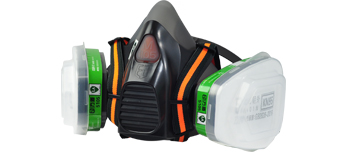
Mining and tunnel construction are high-risk areas for dust hazards. The mining, crushing, and transportation processes of coal mines, metal mines, and non-metal mines generate a large amount of mineral dust, which can easily lead to silicosis if inhaled for a long time. Rock dust during tunnel excavation is also dangerous, and operators must wear high-efficiency dust masks.
The positions of metal smelting and mechanical processing are facing a dual threat. The metal smoke and dust in steelmaking and casting workshops, welding fumes generated during welding operations, and metal dust generated during grinding and polishing all contain toxic components. In addition, welding fumes may also contain toxic metal oxides such as manganese and chromium, requiring masks with anti toxic functions.
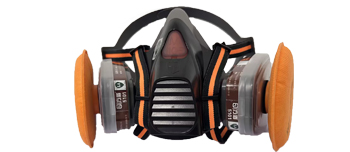
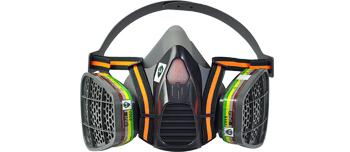
Chemical production and painting operations mainly come into contact with toxic gases. The volatile organic solvents such as benzene, formaldehyde, ammonia, etc. in the chemical workshop, as well as the paint mist and thinner gas in the spray booth, can lead to blood system diseases or occupational poisoning if inhaled for a long time. This type of position requires a gas mask that can adsorb organic gases.
Agriculture and food processing facilities cannot be ignored either. The droplets of pesticide solution during pesticide preparation and spraying, moldy dust during grain silo cleaning, and grain dust during feed processing can all cause allergic alveolitis or chronic poisoning. In the process of building demolition and decoration, asbestos dust on old walls, silicon dust from cutting tiles, and wood dust from furniture polishing are all respiratory allergens and even carcinogens. Workers who clean enclosed spaces such as cabins and reactors also face the dual risks of oxygen deficiency and toxic gas accumulation.
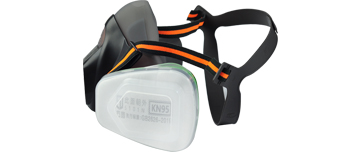
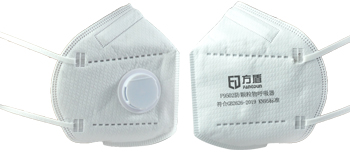
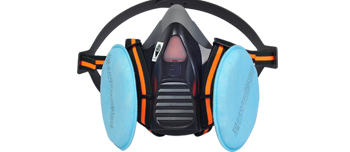
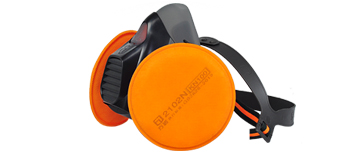
When choosing a protective mask, the protection level must be determined based on the specific type of harmful substance - FangdunKN100/KN95 level is used for dust prevention, and activated carbon filter cotton is required for organic gas prevention. More importantly, the mask should have a good fit with the face and regularly replace the filter element, otherwise even the highest nominal filtration efficiency will be of no use.