English
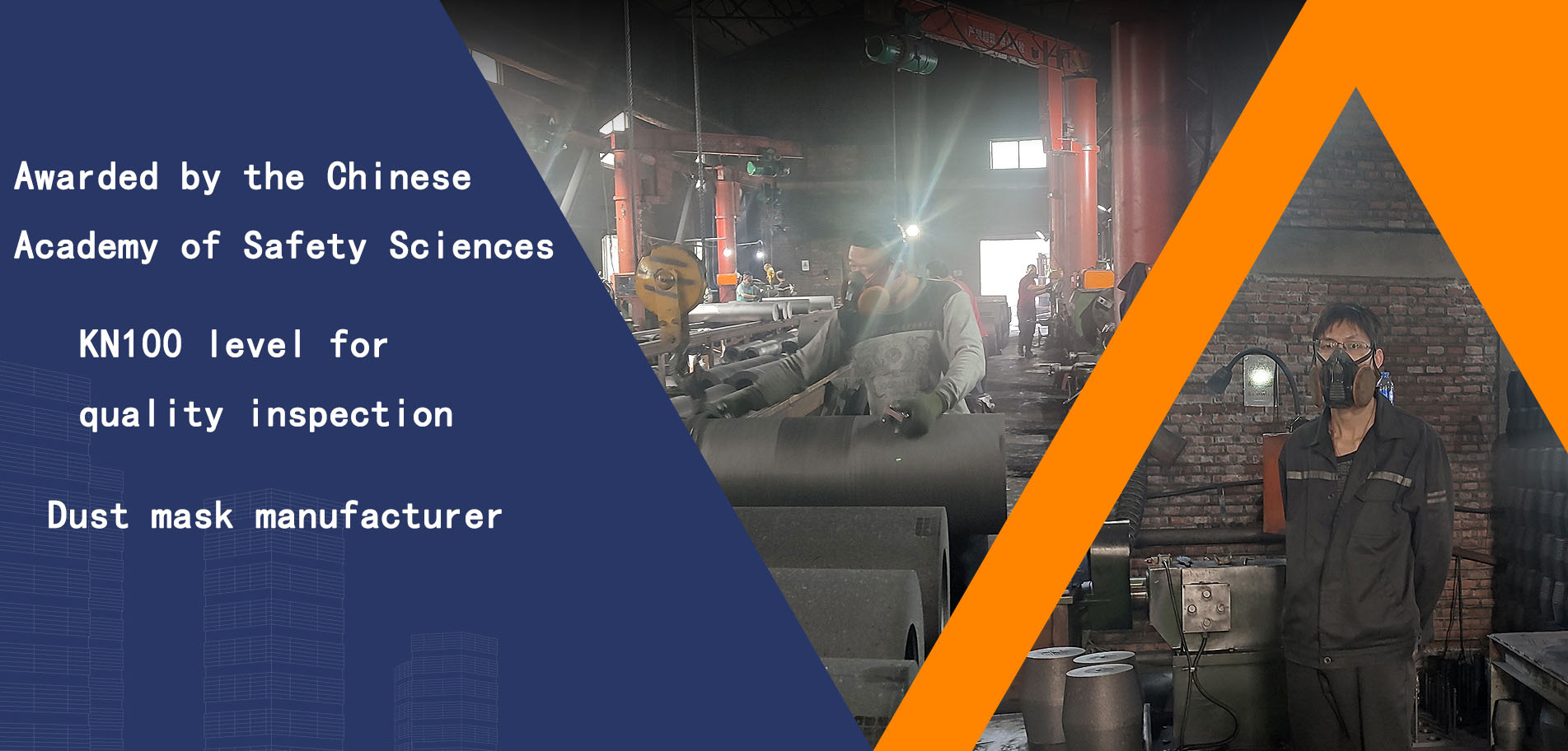
Many people ask when choosing dust masks: KP100, as the highest protection level in the national standard, can it block any odor when worn? The answer needs to be looked at separately - the KP100 standard itself is not odor proof, but KP100 products with activated carbon layers can indeed absorb odors.
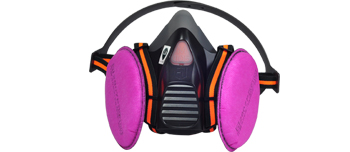
What does KP100 standard prevent
According to the national standard GB 2626-2019, KP100 is the protection level for particulate matter, requiring a filtration efficiency of not less than 99.97% for oily and non oily particulate matter of 0.185 microns and above. Simply put, KP100 pipes contain visible or measurable particles such as dust, welding fumes, oil fumes, and paint particles, rather than odor molecules.
Odor is essentially gas molecules such as volatile organic compounds (VOCs), which are much smaller than particulate matter. KP100 filter cotton, which relies solely on physical interception and electrostatic adsorption, has little filtering effect on gas molecules.
KP100 products that can prevent odors
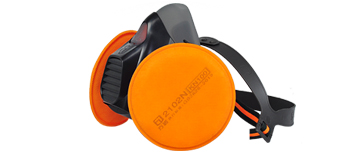
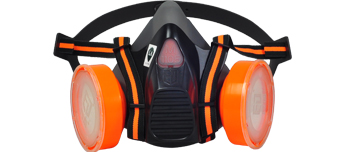
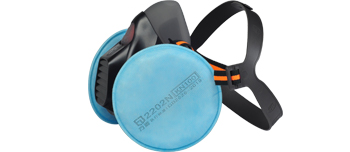
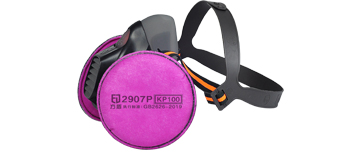
The core of KP100 products that can truly handle odors lies in the addition of an extra activated carbon layer. Taking Fangdun2907P KP100 filter cotton as an example, it uses 150g remelted spray activated carbon cloth, which can effectively adsorb organic vapors and odors such as formaldehyde, benzene, ammonia, etc. While maintaining the efficient filtration performance of KP100, it can also cope with complex gas pollution environments such as welding, painting, and chemical engineering.
The implementation standard for 2907P KP100 filter cotton is GB 2626-2019, with a protection level of KP100, and a filtration efficiency of not less than 99.97% for oily and non oily particles. The activated carbon layer is made of 150g remelted sprayed activated carbon cloth, with the function of effectively filtering organic vapors and odors. It is suitable for fields such as welding, mechanical manufacturing, coal mining, and chemical engineering.
Precautions during use
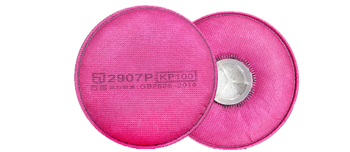
Firstly, the adsorption capacity of activated carbon is limited. As the usage time increases, activated carbon will gradually become saturated and the deodorization effect will decrease. When there is a noticeable odor or increased respiratory resistance, it is necessary to replace the filter cotton.
Secondly, the filter cotton is a disposable consumable and must not be washed with water. Washing with water will damage the electrostatic adsorption layer and activated carbon structure, greatly reducing the filtration efficiency and adsorption effect.
Thirdly, activated carbon "adsorbs" rather than "eliminates" odors, and can alleviate some irritating odors, but it is difficult to achieve complete odorlessness. Especially in high concentration odor environments, relying solely on activated carbon filter cotton may not be enough, and other protective measures need to be considered in combination.
Fourthly, KP100 products cannot prevent toxic gases such as carbon monoxide, which require ventilation or gas supply breathing equipment to solve.
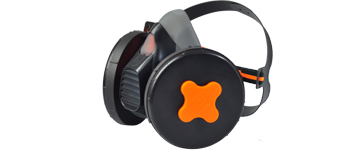
Whether KP100 can prevent odors depends on the presence of an activated carbon layer that can adsorb organic vapors and odors; Without an activated carbon layer, it only prevents particulate matter and not odors. For welding, painting, chemical and other work conditions with odor, choose those with activated carbon layer. Choosing the right model based on actual working conditions is the correct way to provide rational protection.