English
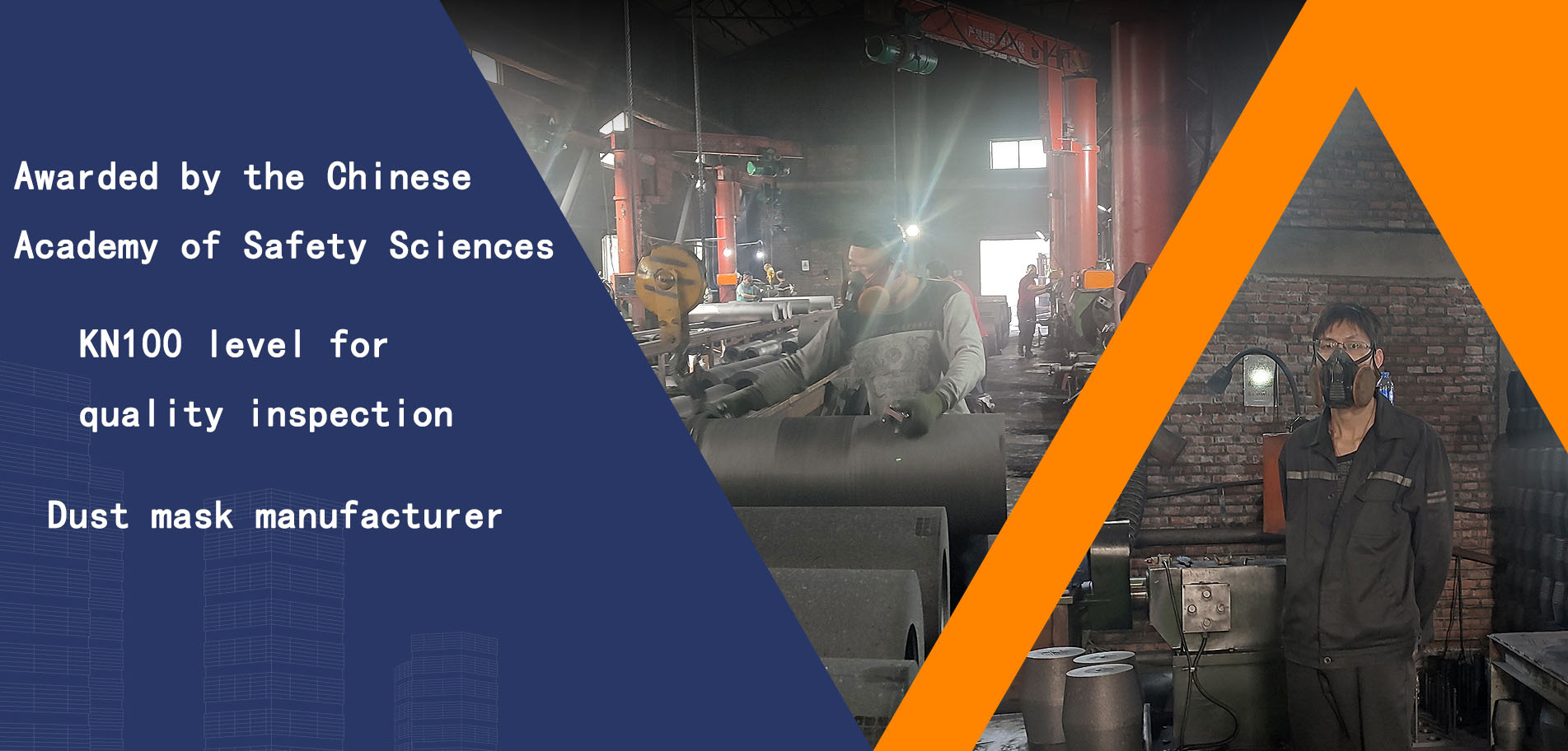
During the process of stone cutting, polishing, and chiseling, a large amount of fine dust containing free silica is generated, with extremely small particle sizes that can penetrate the respiratory barrier and enter the lungs. Long term operation without effective protection may induce irreversible silicosis. Choosing the right dust mask is the foundation for protecting one's own health.
1、 Identify national standards
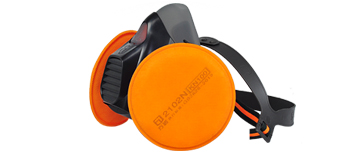
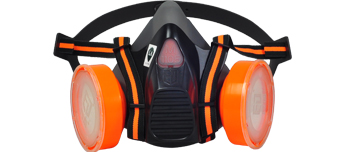
Choose a professional dust mask that meets the GB 2626-2019 standard for respiratory protection, self-priming filter type particulate matter respirators. Cotton masks and ordinary medical masks cannot effectively block fine dust and are not suitable for stone processing operations.

2、 Select protection level based on dust concentration
GB 2626-2019 specifies dust masks (for non oily particles):
-KN95: Filtration efficiency ≥ 95%, is a common choice for stonemasons in routine operations such as continuous polishing and ordinary cutting.
-KN100: filtration efficiency ≥ 99.97%, suitable for special scenarios with high dust concentration, such as closed space processing, high-intensity sandblasting, batch dry cutting, etc.
If the homework involves artificial stone (which may contain resin or adhesive), cutting may also be accompanied by odors in addition to dust. Consider choosing KP100 grade filter cotton with activated carbon.
3、 Ensure the mask is tightly fitted
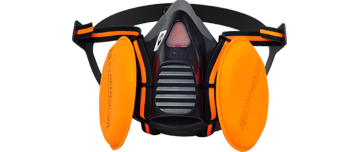
The mask does not fit tightly to the face, and dust will enter through the edge gaps. After wearing, a tightness check should be performed: cover the mask with both hands and exhale or inhale quickly, feeling that there is no air leakage at the edge is considered qualified. Thick beard may affect the fit, it is recommended to clean it before starting work.
4、 Balancing wearing comfort
Masks with excessive respiratory resistance may cause the wearer to frequently remove them for ventilation, which can actually affect the protective effect. It is recommended to choose a style with an exhalation valve to help expel humid and hot gases; Head worn styles are usually more stable than ear worn styles.

5、 Timely replacement
When there is a significant increase in respiratory resistance, dirty or damaged masks, they should be replaced in a timely manner. Under normal operating conditions, it is recommended to replace it once per shift. Dust masks are consumables and should not be washed and reused.
The protective effect of dust masks depends on selecting the right level, wearing them tightly, and changing them frequently. All three stages are indispensable.