English
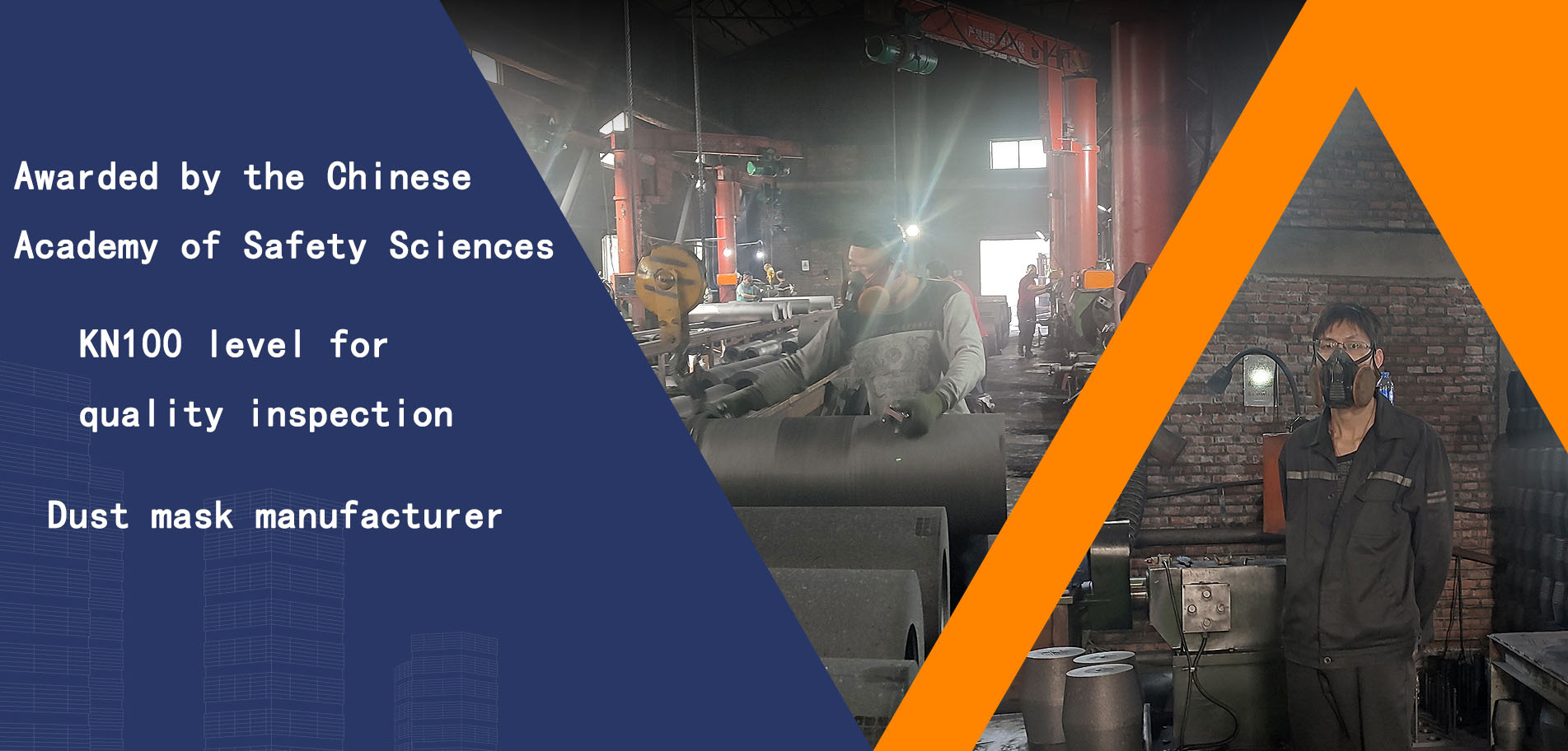
Welding is an indispensable profession in many industrial manufacturing industries, providing a stable source of income for workers. However, behind the concept of "exchanging health for money", the arc light, smoke, and harmful gases generated during welding operations do indeed have multiple impacts on the physical health of workers. Therefore, understanding the hazards and taking scientific protective measures is the key to ensuring occupational health.

The ultraviolet and infrared rays in welding arc light can cause irritation to the eyes and skin. Short term unprotected exposure may cause electrical eye inflammation, resulting in symptoms such as eye pain, photophobia, and tearing; Long term exposure may accelerate skin aging and increase the risk of eye diseases such as cataracts. At the same time, the smoke and dust generated during the welding process contain metal particles such as manganese and chromium, as well as harmful gases such as ozone and nitrogen oxides. Long term inhalation can easily cause respiratory problems, and even lead to welder pneumoconiosis or chronic manganese poisoning, resulting in symptoms such as cough, chest tightness, and memory loss.
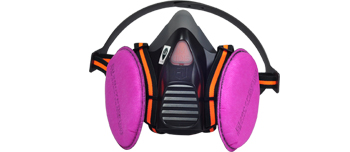
In order to protect their health while earning income, workers must implement the following core protective measures:
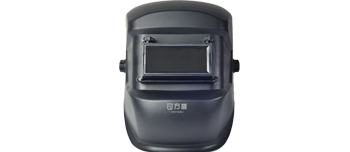
Firstly, standardize the wearing of personal protective equipment. During homework, it is necessary to wear an automatic dimming welding face mask that meets the standards, and to wear anti impact goggles with side wing protection inside; Wear long sleeved flame-retardant protective clothing and leather gloves to avoid skin exposure; In environments with noise levels exceeding 85 decibels, noise cancelling earplugs or earmuffs should be worn.
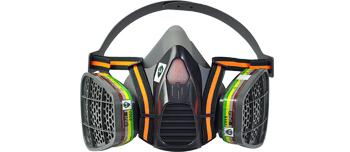
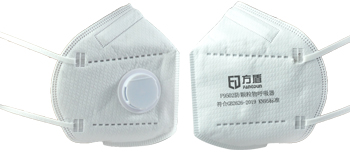
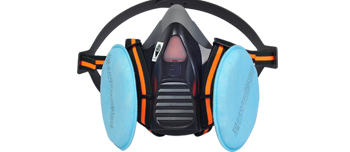
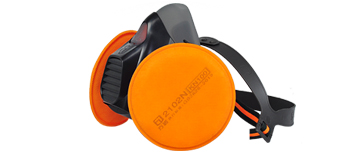
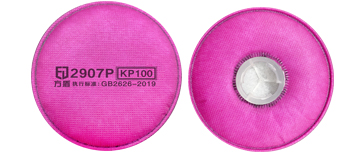
Secondly, pay attention to respiratory protection and ventilation. Local exhaust or mobile welding smoke purification equipment should be prioritized in the work area. For ordinary carbon steel welding, it is recommended to wear a KN95 level anti particle respirator; If welding stainless steel or conducting confined space operations, it is necessary to wear higher-level dust and gas masks or air supply respirators. During homework, try to keep your head away from the smoke and dust plume area as much as possible.
Finally, cultivate good hygiene and physical examination habits. After homework, it is necessary to wash hands, face, and change clothes in a timely manner to avoid the ingestion of harmful substances through the mouth and nose. Enterprises should regularly organize occupational health examinations, with a focus on monitoring lung function, blood manganese levels, and neurological conditions, to achieve early detection and intervention.
Welding is a respected technical job, and only by strictly adhering to safety regulations and taking personal protective measures can a balance between safety and income be truly achieved.