English
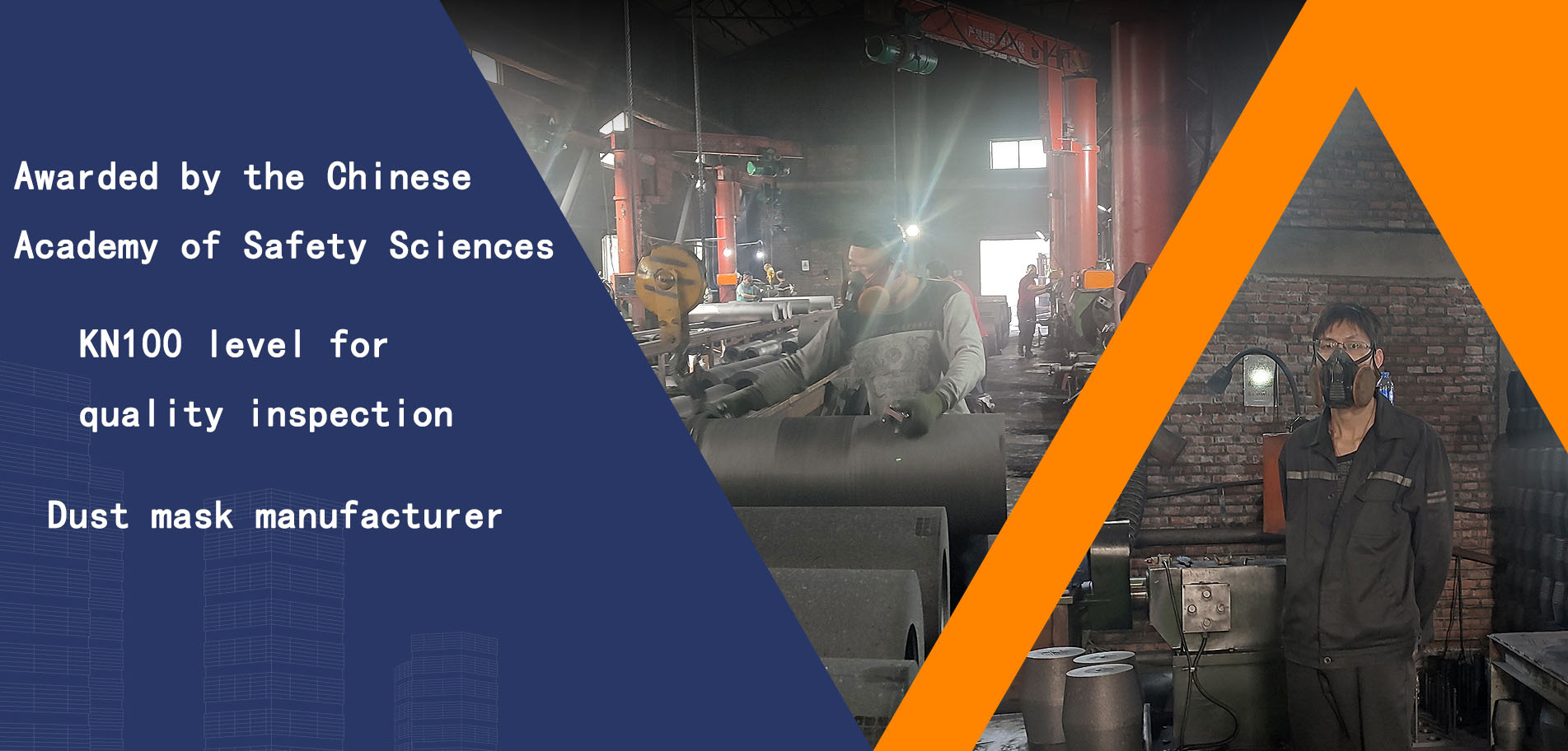
Scientifically selecting and correctly using protective masks is an important step in ensuring respiratory health in work or living environments involving ultrafine dust. Ultra fine dust particles have extremely small diameters and are prone to penetrate the respiratory tract, so it is necessary to use masks with professional filtering performance. For the protection of ultrafine dust, it is recommended to prioritize the use of anti particle respirators that comply with the national standard "Respiratory Protection Self suction Filter Anti Particle Respirators" (GB2626-2019).
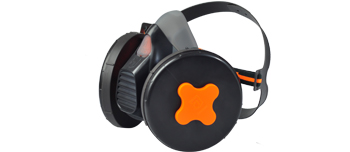
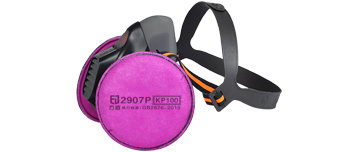
In terms of filtering level, KN95 or KN100 level is an ideal choice. These types of masks have filtration efficiencies of over 95% and 99.97% for non oily particles, respectively, and can effectively intercept most ultrafine dust. If oily particles (such as certain industrial fumes) are present in the environment, masks of KP95 or KP100 grade should be selected.
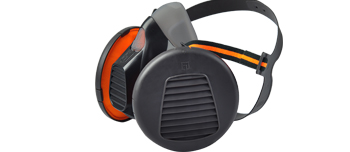
In addition to filtration efficiency, the fit between the mask and the face is also crucial. Even if the filtering material has excellent performance, if there is air leakage at the edges when worn, the protective effect will be greatly reduced. Therefore, one should choose a mask style that suits their face shape, such as foldable or cup-shaped, and ensure that the nose clip and headband can be adjusted to a comfortable and snug fit. After wearing, it is recommended to perform a simple air tightness check: cover the mask with both hands and inhale vigorously. If the mask collapses slightly and there is no air leakage at the edges, it indicates that the wearing is relatively tight.
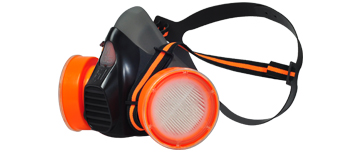
In daily use, it is also necessary to pay attention to the replacement and maintenance of masks. It is not recommended to clean disposable dust masks as washing them with water can damage their electrostatic adsorption layer, resulting in a decrease in filtration efficiency. When the mask becomes dirty, deformed, has significantly increased respiratory resistance, or has been used for a long time, it should be replaced in a timely manner. In addition, factors such as facial hair and beard that may affect the fit also need to be addressed in advance.
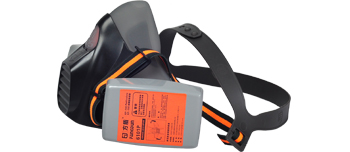
In short, the selection of masks for the protection of ultrafine dust should not be based solely on intuition, but should be comprehensively judged based on professional standards, filtration levels, and wearing tightness. At the same time, developing good wearing and changing habits is essential for protective equipment to truly perform its intended purpose.