English
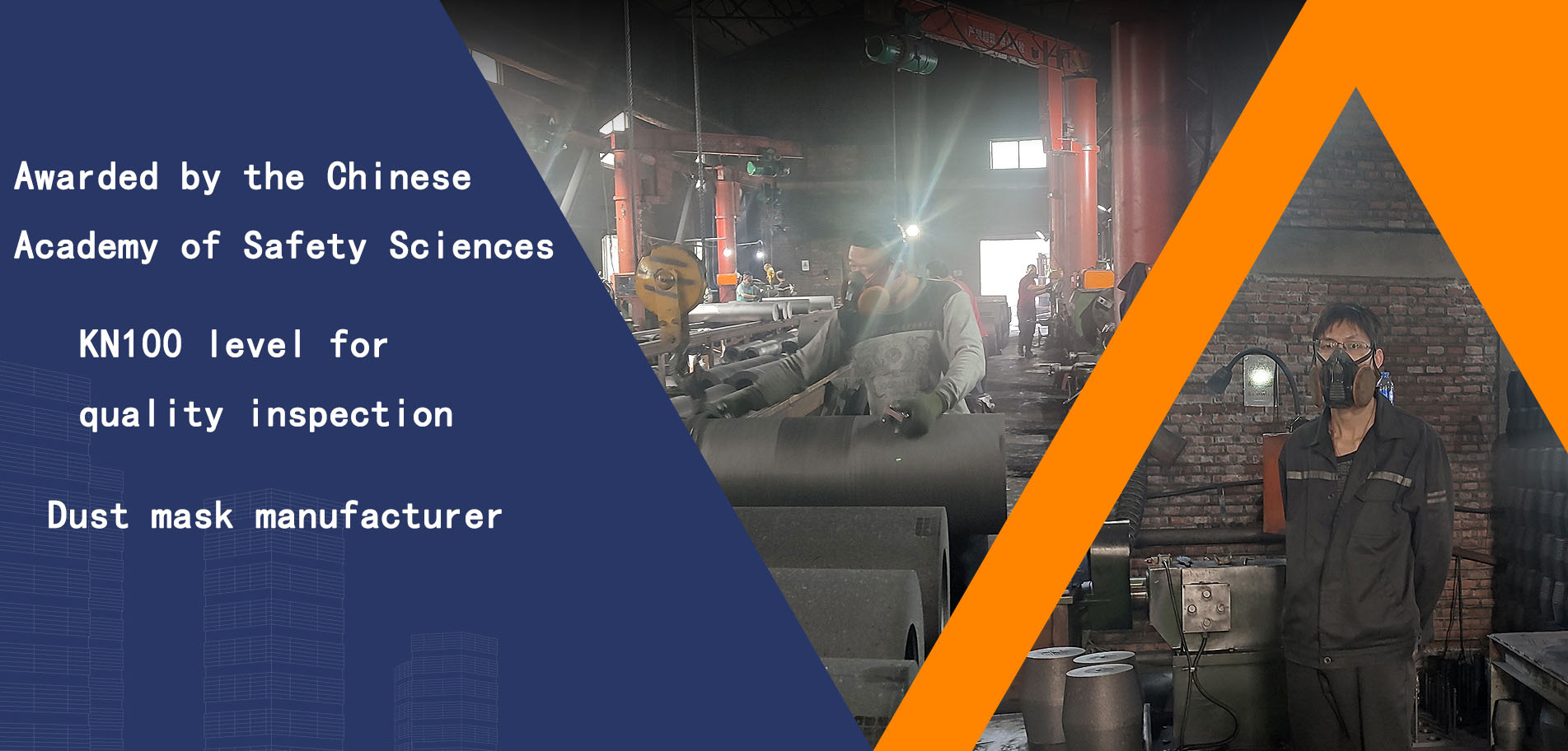
Choosing a suitable dust mask is an important step in ensuring respiratory health when working in a dusty environment. Faced with a wide variety of products on the market, consumers should pay attention to core parameters and practical information, and make scientific choices.
The core of dust masks lies in their filtration efficiency and sealing degree. According to the national standard GB2626-2019, masks for preventing non oily particles (such as mineral dust, cement dust, etc.) are divided into KN95 and KN100 grades, representing filtration efficiencies of not less than 95% and 99.97% for 0.3 micron particles, respectively. For general industrial dust environments, KN95 level usually provides good protection; If in an environment with high concentration of dust or high dust hazards, it is recommended to choose KN100 level. If there are oily particles (such as oil fumes, asphalt smoke, etc.) present in the environment, KP series masks should be selected.
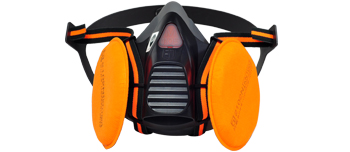
In addition to the filtering level, the fit between the mask and the face is also crucial. Even if the filtering efficiency is high, if there is a gap between the edge of the mask and the face, unfiltered air will directly enter the respiratory tract, greatly reducing the protective effect. Therefore, choosing a style with a plastic metal nose clip and a moderately elastic headband can help improve the fit. After wearing, the sealing effect can be confirmed by a simple positive and negative pressure check: cover the mask with both hands and exhale quickly to feel if there is any airflow leaking from the edges; Gently inhale and observe if the mask collapses slightly inward.
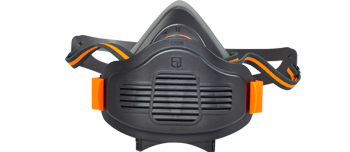
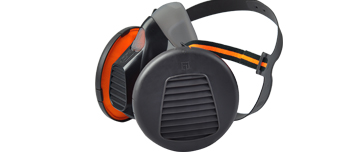
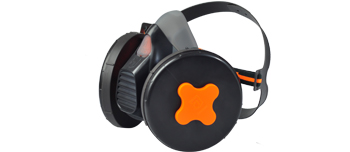
In terms of style selection, foldable masks are easy to carry and suitable for short-term work; Cup shaped masks have a large internal space and relatively smooth breathing; The design of silicone half face mask with replaceable filter cotton provides more comfort and economy during long-term operations. If the working environment temperature is high, the style with a breathing valve can effectively reduce exhalation resistance and reduce stuffiness, but it should be noted that this type of mask is not suitable for medical or sterile environments that require two-way protection.
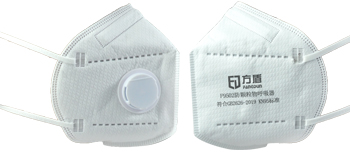
Finally, proper wearing and timely replacement are equally important. Before use, clean your hands and ensure that the mask covers your mouth and nose and fits your face. When there is a significant increase in respiratory resistance, a damaged or dirty mask, it should be replaced in a timely manner. Scientific selection and correct use of dust masks are necessary to provide effective protection for respiratory health.