English

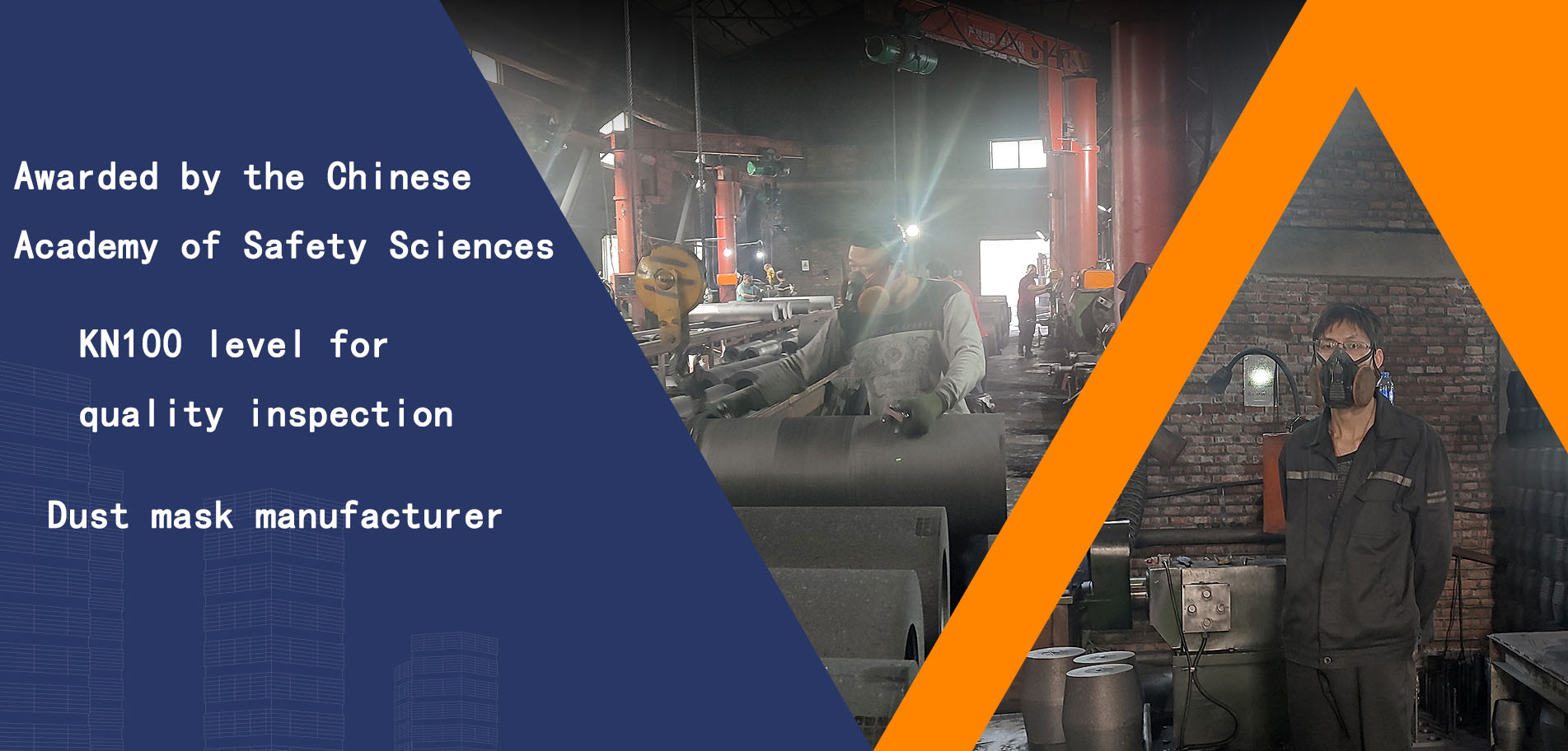
Productive dust is a common occupational hazard factor in mining, metallurgy, welding, polishing, and building materials operations. Rock drilling, blasting, ore grinding, metal cutting, welding fumes, grinding particles, as well as crushing and processing materials such as cement and quartz, may all form solid particles suspended in the air. Long term exposure to different types of dust may increase the risk of pneumoconiosis such as silicosis, coal worker's pneumoconiosis, welder's pneumoconiosis, cement pneumoconiosis, and occupational poisoning. Among them, silicosis related to silica dust is irreversible and requires special protection measures.
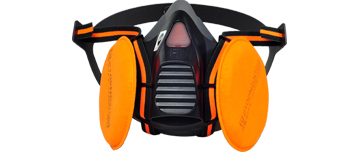
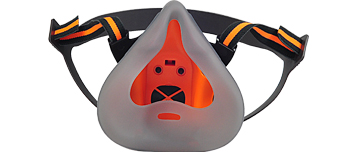
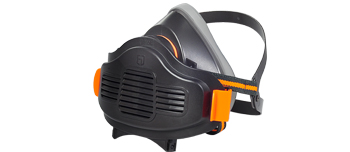
Respiratory protection is an important line of defense for dust operations. According to the national standard GB2626, anti particle masks are classified into KN90, KN95, KN100 and other levels based on filtration efficiency, with KN being suitable for non oily particles. The filtration efficiency of KN95 for 0.3 micron particles is not less than 95%, while KN100 is not less than 99.97%. When selecting, it is necessary to consider the nature and concentration of dust: for positions that come into contact with silicon dust, dust masks with filtration efficiency not lower than KN95 level can be selected; Welding smoke particles are relatively fine, with a particle size often below 0.1 microns. KN95 and above grades should be selected, and KN100 grade should be used if necessary. Ordinary gauze masks and medical masks should not replace dust masks. In practical use, Fangdun masks can be provided in specifications such as KN95 and KN100, making it easy to match according to the dust and concentration of the operation.
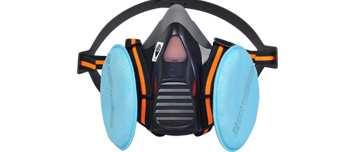
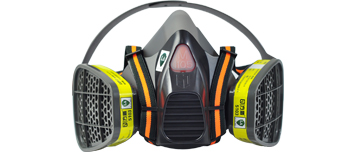
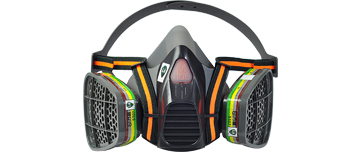
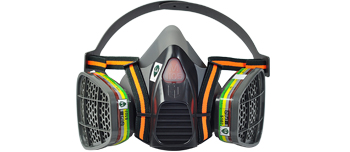
When dust and toxic gases coexist in the workplace, a single particulate matter mask is insufficient to cover the risk. In addition to metal fumes, harmful gases such as ozone and nitrogen oxides may also be generated during the welding process; The smelting of non-ferrous metals may be accompanied by toxic vapors. This type of working condition should use replaceable half face masks or full face masks, equipped with dust and toxic combination filter elements, to filter particulate matter while adsorbing harmful gases. The replaceable half face mask of Fangdun mask can be paired with a dust and toxin combination filter box for use in such mixed exposure scenarios.
Engineering control should take priority over individual protection. Wet work, sealed dust sources, and local ventilation and dust removal measures can help reduce dust concentration in the workplace from the source. Personal protective equipment is a supplementary measure when engineering measures are difficult to reduce the concentration below the occupational exposure limit. The combination of the two helps to form a more complete occupational health protection system.