English

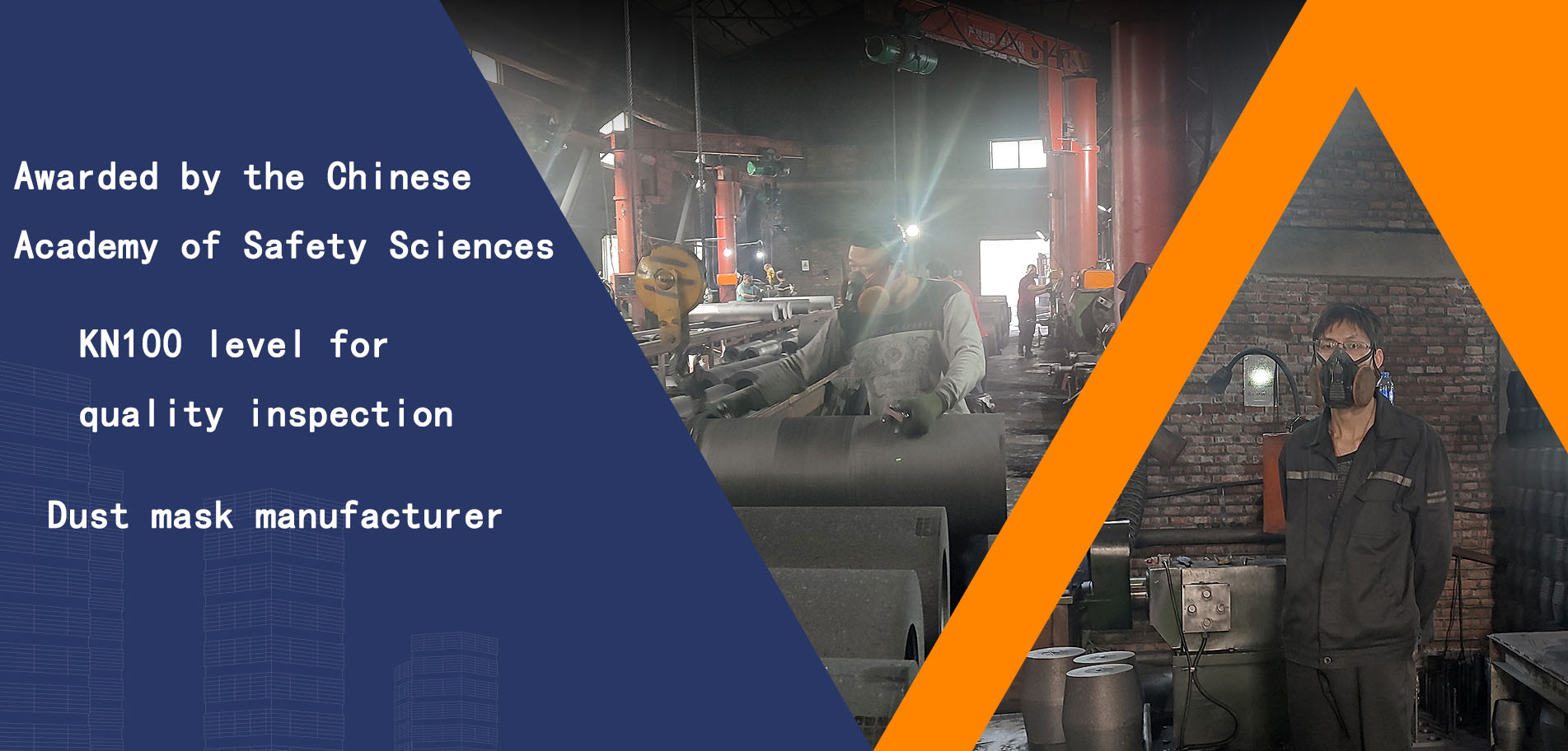
A car involved in an accident usually needs to pass through three doors when entering the factory: sheet metal, welding, and painting. Cars are being repaired, and people are also being 'repaired' - there is an invisible visitor at each workstation, with different forms and response methods.
First step: Metal powder in the polishing room
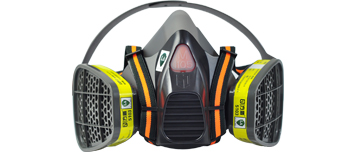
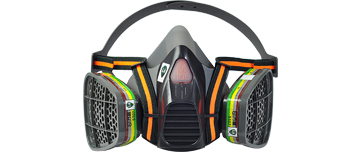
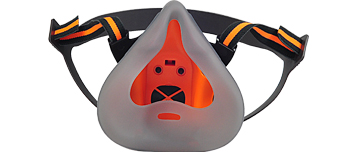
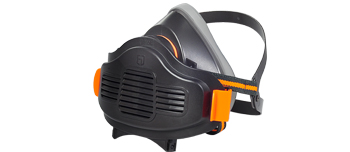
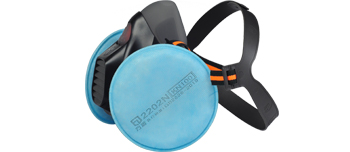
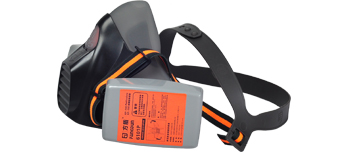
As soon as the grinding wheel rang, the putty and old paint layer were finely ground. The particle size range of dust is large, mostly falling between 1-100 μ m, and the inhalable part below 10 μ m can truly enter the lungs. According to GBZ 2.1, the total dust limit for grinding dust is 8mg/m ³, and the respiratory dust is 4mg/m ³ (weighted average over 8 hours). The countermeasures are not complicated: a dry polishing table with negative pressure, with a table wind speed of 0.5-0.8m/s, a filter cartridge with a filtration efficiency of ≥ 99% for 0.3 μ m particles, and equipped with pulse back blowing for dust removal; Workers wear KN95 and above level dust masks, FangdunKN100 dust half face mask (equipped with 8100N particle filter cotton), and other combinations that comply with GB 2626-2019 KN100, with a filtration efficiency of about 99.97% for non oily particles. The liquid silicone cover body is matched with an adjustable headband, which reduces the pressure when worn for a long time; The filter element is replaced separately and the main body is reused, suitable for workstations that require continuous polishing every day.
Second step: Smoke under the welding gun
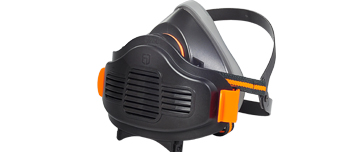
The smoke and dust generated by secondary welding and argon arc welding are finer, with a particle size of about 0.01-1 μ m, mainly composed of iron, manganese, chromium, and nickel oxides. The total dust limit for welding fumes is 4mg/m ³, and manganese and its compounds are 0.15mg/m ³. Reminder: Welding fumes are non oily particles and can be covered with KN grade filter cotton. There is no need to spend extra money for the "higher grade, better" policy.
Third step: Mist and air in the spray booth
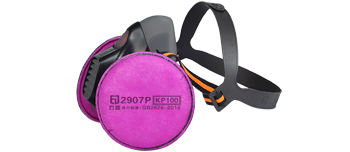
This level tests the system compatibility the most. Paint mist is a liquid droplet with a particle size mostly between 5-50 μ m, which is first filtered by a baffle or a water jet or dry paper box; Organic solvents are gaseous VOCs, commonly benzene derivatives, esters, and ketones, with low boiling points and fast diffusion. Related limits: benzene 3mg/m ³ (marked as "skin"), toluene 100mg/m ³, xylene 50mg/m ³. In terms of personal protection, paint mist belongs to oily particles, and the KP series should be selected - such as Fangdun6102P KP100 dust filter box, which can filter both oily and non oily particles at the same time. The circular box has a diameter of about 8cm, ABS shell, three-point buckle universal interface, and a visible window on the front for easy judgment of the degree of dust accumulation. However, it should be noted that it only protects against particulate matter and not organic vapors. If solvent odors are involved, an organic gas filter box must be provided separately or gas supply equipment must be used instead.
Three Truths
One reason is that the properties of the three pollutants are different, making it impractical for one device to handle them all; Secondly, numbers such as air volume, wind speed, and replacement cycle are more persuasive than adjectives; The last link of protection is on the human body - masks, goggles, protective clothing, and an annual occupational health examination. Taking care of people while repairing a car is the only way to complete this skill.