English

When it comes to respiratory protection in industrial settings, relying solely on the number "filtration efficiency" can easily lead to bias. Fangdun's product can be disassembled and viewed in four steps.
First, look at the form of the hazardous substance. Dust, smoke, and mist belong to particulate matter. KN class targets non oily particulate matter, while KP class considers both oily and non oily substances. Coal dust, cement dust, and welding fumes are classified as KN; For oily scenarios such as cutting fluid oil mist, asphalt smoke, and coke oven smoke, KP grade should be selected because the electrostatic charge of KN filter material will be neutralized when encountering oily substances, resulting in a decrease in filtration efficiency. If there are organic vapors or acidic gases such as benzene and acetone present on site, and the particulate filter cotton does not work, a separate filter box should be provided according to GB2890-2019.
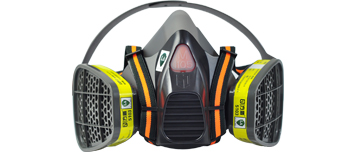
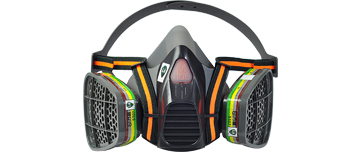
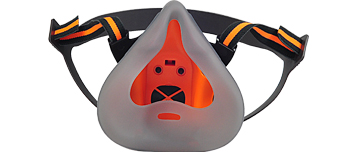
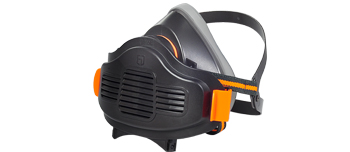
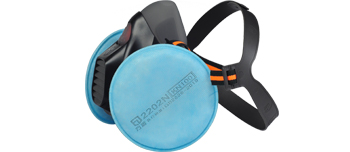
Take another look at the cover. The 1105 series is a dual filter box silicone half mask, with a cover body made of food grade liquid silicone and components made of ABS material, which is resistant to chemical corrosion and heat. The cover body weighs about 125 grams and is equipped with an adjustable headband. 1105K is an easy to fasten type, which does not need to be removed as a whole when drinking water or communicating. When equipped with a 6102P dust filter box, the filter cotton status can be observed through a visual window; The 1105C adopts a through type headband, which is more convenient to put on and take off, suitable for frequent entry and exit of work areas. The nominal inspiratory resistance of both is about 20Pa, and the expiratory resistance is less than 50Pa. There is also a 7200B single filter element model, with a filter cotton clip with a 45 ° knob interface, which is easier to install and remove.
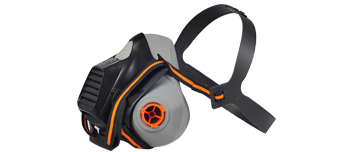
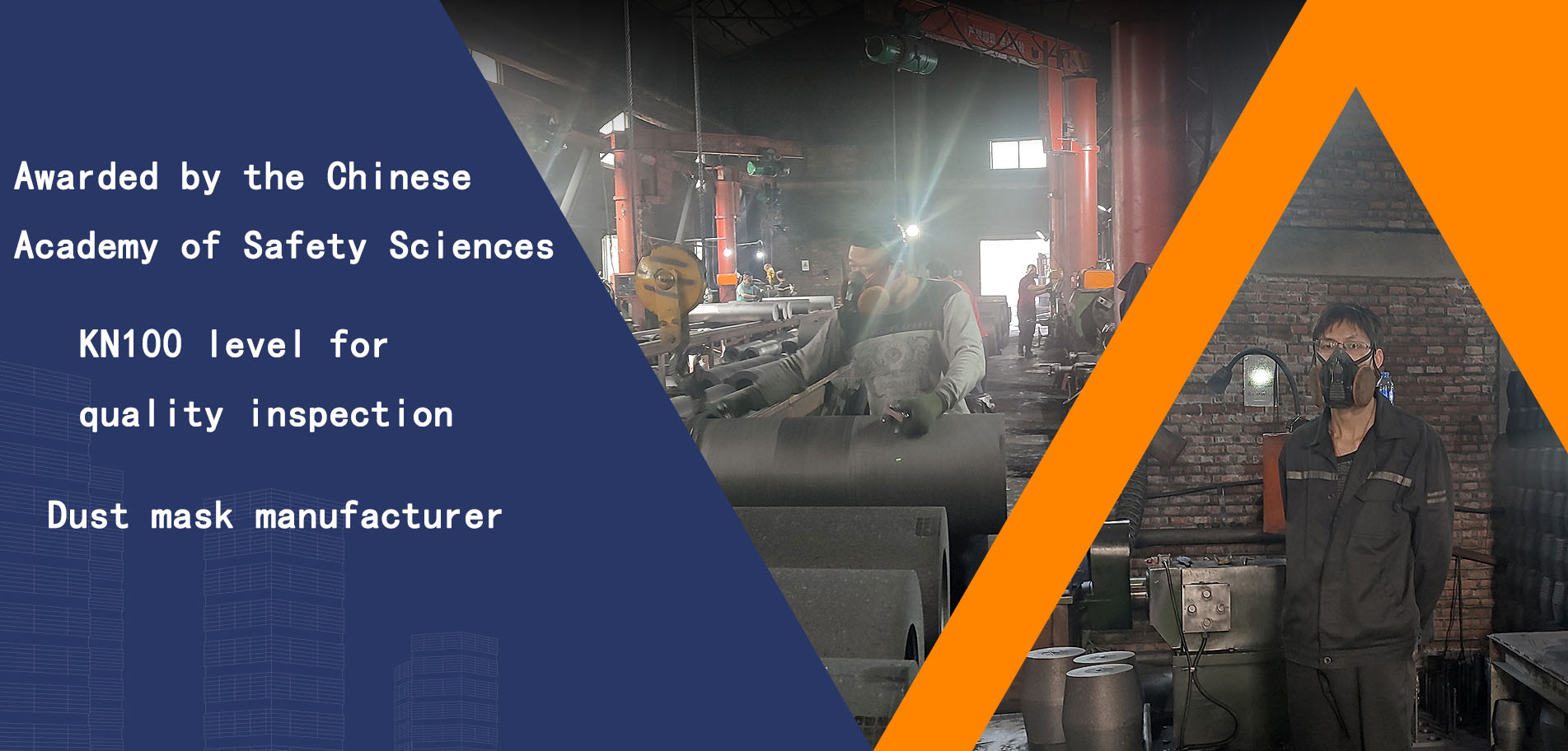
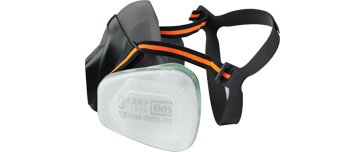
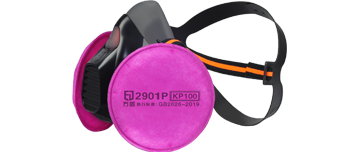
The third step is to prepare the filter components. 2102N and 2202N belong to KN100 level, with a filtration efficiency of not less than 99.97% for non oily particles above 0.075 microns, a diameter of 105mm, three-point buckle installation, and no need to distinguish angles; 8095N is KN95 grade, suitable for low to medium concentration dust; 2907P is KP100 grade and contains melt blown activated carbon cloth, which balances oily and non oily particles and helps reduce organic vapor odor. In terms of filter cartridges, 5101 (A1) corresponds to organic vapors, 5103 (E1) corresponds to acidic gases, and 5107 (A1B1E1K1) covers organic vapors, acidic gases, ammonia, etc. When dust and toxins coexist, the filter cotton can be combined with the filter cartridge through the receiving seat.
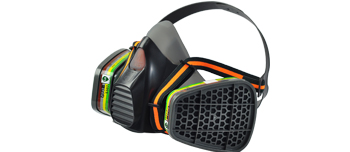
Finally, there is the usage phase. The mask body does not have a filtering function and needs to be equipped with a filter element. Perform negative pressure self check after wearing: block the air intake for inhalation, and if the cover slightly collapses without any air leakage, it indicates good sealing. Facial beard may affect the fit. Continuous wearing generally does not exceed 8 hours; When respiratory resistance significantly increases, filter cotton accumulates dust and changes color, or odors are smelled, it should be replaced in a timely manner. Filter cotton should not be washed with water, as washing with water will damage the electrostatic adsorption layer. The cover can be wiped with neutral detergent and stored after drying.