English

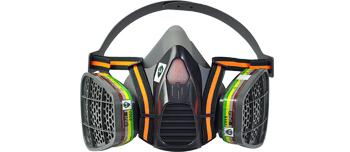
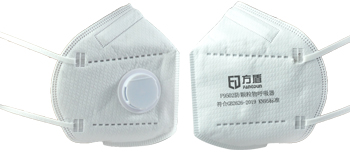
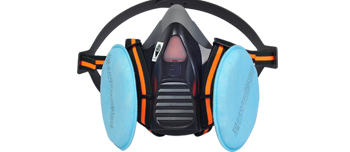
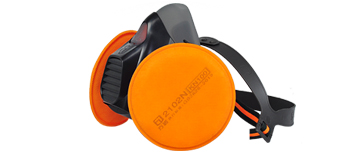
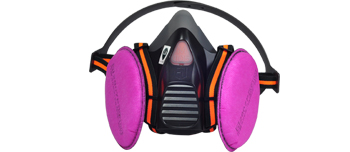
Fangdun dust and toxic dual protection mask is a key protective equipment for safeguarding respiratory health in dust, toxic and harmful gas and other work scenarios. It can effectively block solid particles and toxic and harmful substances, and is widely used in chemical, spraying, welding, mining and other work environments. The key to its protective effectiveness lies in standardized wearing. If worn improperly, harmful substances can seep into the gaps, causing protection to fail and increasing the risk of occupational diseases.
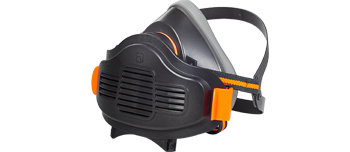
This type of mask is mainly divided into head mounted and ear hanging types. Although the wearing details are slightly different, the core principle is "comprehensive coverage and tight fit". The specific steps are as follows, applicable to various styles.
1. Organize the mask: Unfold the mask and confirm its front and back, as well as its vertical orientation. The side with a metal nose clip is the upper side, and the side with a filter box and filter cotton is the outer side (when there is no obvious label, it can be judged based on the folds, and the folds facing downwards are the outer side). Ensure that the filter layer and adsorption layer of the mask are facing correctly to avoid protection failure caused by wearing it.
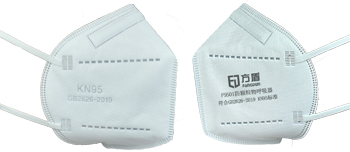
2. Wear fitting: Hold the mask with both hands and cover the mouth, nose, and chin from bottom to top, ensuring that the mask completely covers the mouth, nose, and chin, without exposing the cheekbones or chin area. The edges should fit the facial contour without obvious gaps.
3. Fixed headband/ear hook: If it is a headband type, pull the upper headband above the head and the lower headband 1-2 centimeters below the hairline behind the neck, adjust the tightness of the headband to ensure even pressure distribution, without strangling or loosening the head; If it is an ear hook type, hang the ear hook on both ears, adjust the length of the ear hook, and avoid tightening or loosening the ear too tightly, which may cause the mask to shift. When adjusting, it is important to note that the headband/ear hook should not be crossed or twisted, otherwise it will affect the fit.
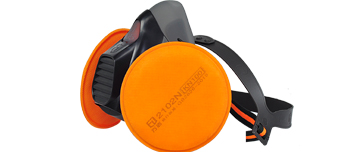
4. Shaping nose clip: Use both index fingers to slowly press from the middle of the nose clip to both sides, fully pressing the nose clip into a shape that matches the nose bridge, ensuring that the nose clip fits tightly to the contour of the nose bridge without gaps. It is strictly prohibited to press the nose clip with one hand to avoid deformation of the nose clip, which may cause air leakage above. This is the most common wearing mistake and requires special attention.
5. Adjust overall fit: After wearing, gently press the edge of the mask with your palm, from the nose bridge to the chin, to ensure that the mask fits tightly around the face without wrinkles or looseness. At the same time, adjust the tightness of the headband/ear hook to "fit the face without pressure, and the mask should not shift when shaking the head". Tightness can affect the comfort of wearing, and prolonged wearing can easily cause headaches; If it is too loose, it will cause the seal to fail.
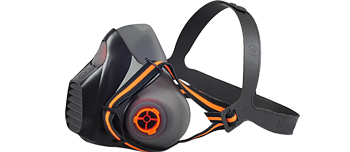
After completing the above wearing steps, the airtightness can be checked by taking a deep breath. If you feel that the mask has obvious collapse and no gas leaks from the edge, it means that the wearing is qualified. In addition, hands should be cleaned before wearing, and the integrity and expiration date of the mask should be checked. During the wearing process, avoid touching the outside of the mask casually. If the mask is damp, contaminated, or damaged, it should be replaced in a timely manner. Remember the correct wearing method and implement every detail in order to truly exert the protective effect of dust and toxic dual protection masks, avoid respiratory health risks from the source, and build the first line of defense for work safety.