English
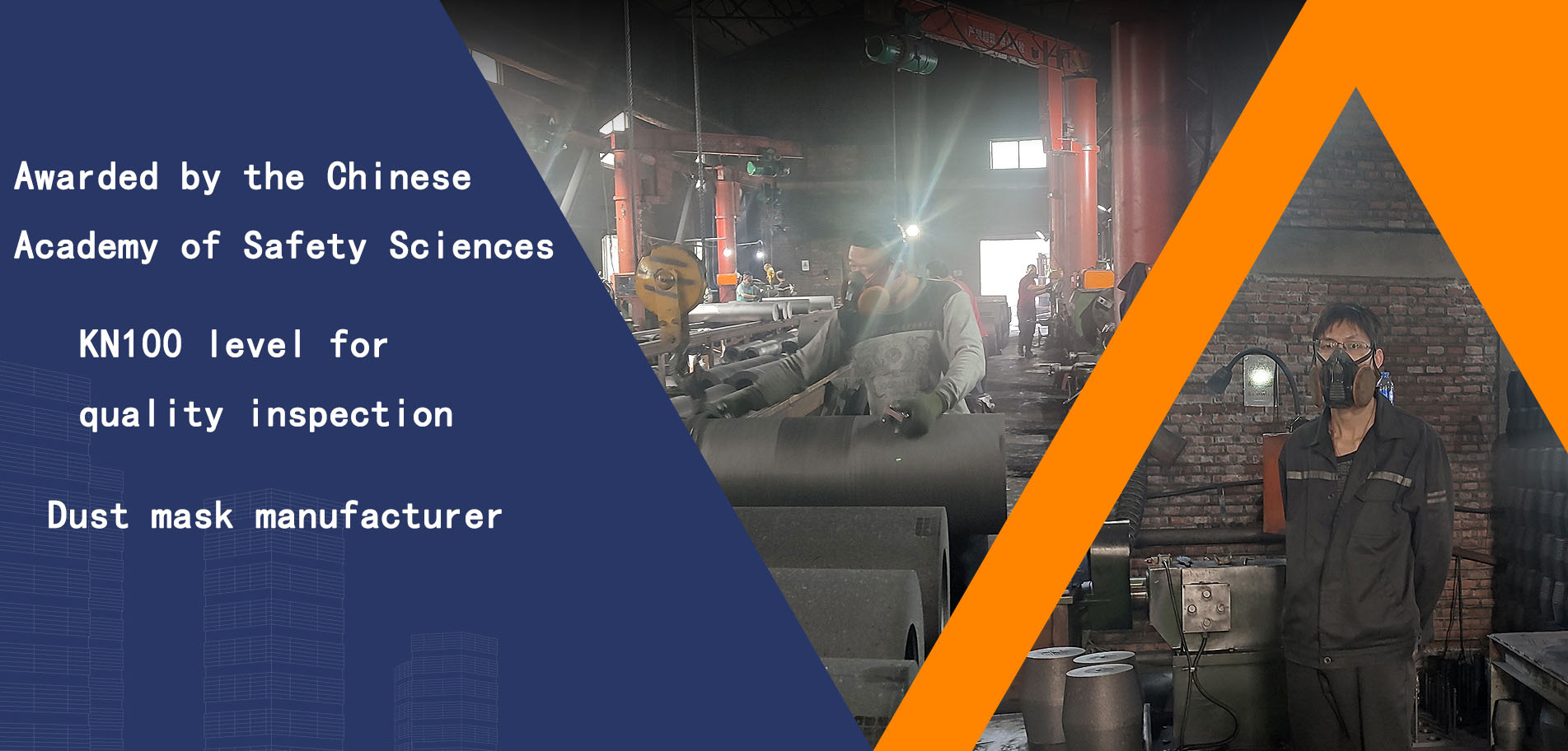
At the chemical spray painting site, a pungent odor often permeates the air. Many workers mistakenly believe that "habit is enough" and overlook the importance of wearing gas masks. Little do they know, these seemingly ordinary spray paint fumes contain various harmful substances to the human body. Long term exposure to it is highly likely to cause serious health hazards.
And gas masks are the first and most important line of defense for protecting the respiratory health of workers. The coatings and diluents used in chemical spray painting contain a large amount of volatile organic compounds, as well as harmful substances such as benzene derivatives, formaldehyde, and heavy metal particles. These substances are mostly lipophilic and easily enter the human body through the respiratory tract.
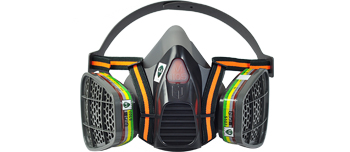
In the short term, it may cause discomfort symptoms such as dizziness, nausea, sore throat, cough, etc., affecting the attention and operational safety of workers, thereby increasing the risk of production accidents. Long term inhalation of harmful substances in spray painting is even more irreversible.
Benzene derivatives have strong carcinogenicity, and long-term exposure may damage the hematopoietic system and induce serious diseases such as leukemia; Formaldehyde can irritate the respiratory mucosa, and long-term exposure may cause respiratory inflammation and even affect immune system function; Heavy metal particles can deposit in the body, damaging organs such as the liver and kidneys, and causing long-term harm to human health.
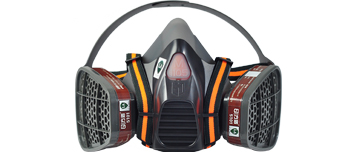
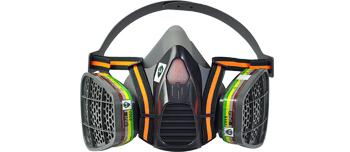
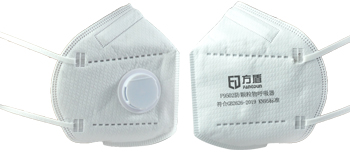
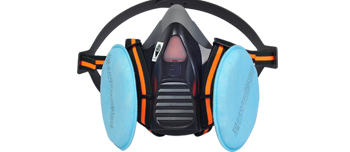
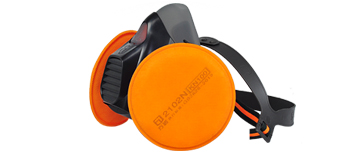
These hazards are often latent, with initial symptoms not immediately apparent. Once they become apparent, they often cause irreparable health damage. As a targeted protective equipment, the core function of Fangdun gas mask is to filter toxic and harmful gases and particles in the air, preventing them from entering the human respiratory tract.
High quality gas masks, with the help of special filtering materials, can effectively absorb volatile toxic gases generated during the spray painting process, intercept tiny paint mist particles, reduce the inhalation of harmful substances, and provide reliable protection for the respiratory health of workers.
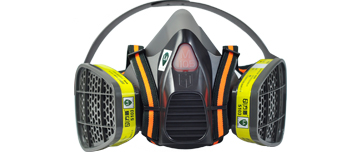
It is not an optional "burden", but a protective equipment that must be worn in chemical spray painting operations, just like work clothes and protective gloves, which are basic elements to ensure personal safety. It is worrying that some workers have a sense of luck, thinking that they do not need to wear gas masks for short-term work, or feel that wearing gas masks is stuffy and inconvenient, so they take off their masks without authorization.
This behavior may seem to save time and increase comfort, but in reality, it is extremely irresponsible to one's own health. The hazards of chemical spray painting operations do not vary in duration. Even short-term exposure may cause minor damage to the respiratory tract, and over time, the health risks will continue to worsen.
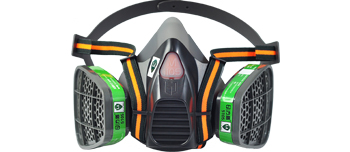
In addition, it is crucial to wear and use gas masks correctly. Before homework, the sealing of the mask should be checked to ensure that there is no damage or air leakage; Wear it throughout the homework process and do not remove it at will; After completing the homework, it is necessary to replace the mask filter in a timely manner and store the mask properly to avoid secondary pollution. At the same time, enterprises should also strengthen safety training for workers, popularize health hazards and protection knowledge of spray painting operations, urge workers to wear gas masks in a standardized manner, and build a strong protective barrier for safety production.
Life and health are more important than Mount Tai, and the protection of chemical spray painting cannot be ignored. A gas mask is not only a simple protective barrier, but also a manifestation of responsibility to oneself, one's family, and the company. Every spray painting worker should abandon the mentality of luck, enhance their awareness of safety protection, consciously wear gas masks, make safety protection a habit, and devote themselves to production operations with peace of mind while ensuring their own health.