English
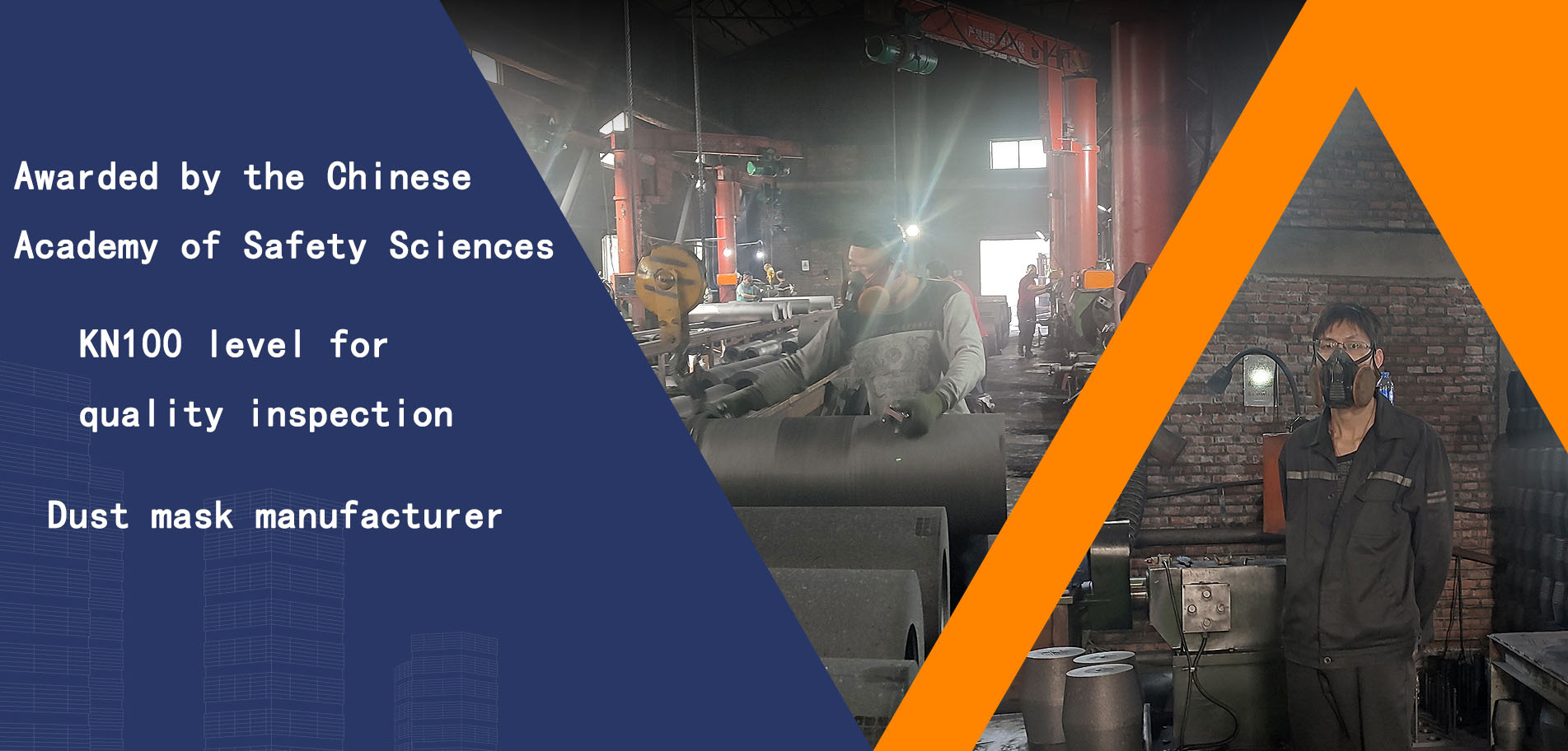
The dust generated during stone processing has a complex composition, with extremely high levels of free silica. In some scenarios, the dust concentration can reach dozens of times the national standard, especially in dry irregular processing, outdoor cutting, and other processes where dust hazards are more prominent. Unlike ordinary dust, silica dust particles are fine and have strong adsorption properties. The filter layer of ordinary masks cannot effectively block them, and stone workers often work for long periods of time with high intensity. The breathability and fit of masks directly affect the protective effect and willingness to wear them. If the mask is not breathable or has air leakage at the edges, it not only cannot be protected, but may also pose health hazards due to workers' unwillingness to insist on wearing it.
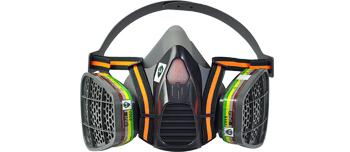
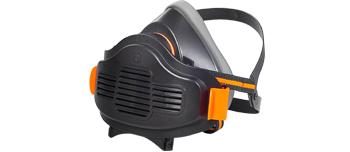
In addition, during the processing of some stone materials, adhesives used for stone splicing, chemicals used for cleaning, or resin odors generated at high temperatures during cutting can spread dust and irritate the respiratory tract if inhaled for a long time. Therefore, in some scenarios, masks also need to have odor adsorption function to avoid protective loopholes caused by single dust prevention. In summary, when selecting masks for stone workers, the core should focus on three key points: achieving filtration efficiency standards, closely fitting the face, and adapting to the work environment. All three are indispensable, and common selection errors must be avoided.
Misconception 1: Blindly pursuing high levels and neglecting comfort. KN100 level protection has a good effect, but the respiratory resistance is slightly higher than KN95 level. If it is only for routine polishing operations, using KN100 level will increase the respiratory burden, and long-term wearing may cause suffocation, which may even lead to workers taking off masks without authorization, reducing the protective effect. You can choose according to your needs.
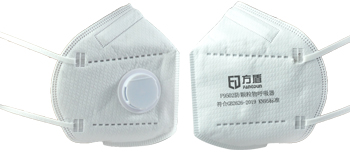
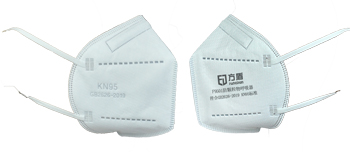
Misconception 2: Choose regular masks instead of professional dust masks. Cotton masks, disposable medical masks, knitted masks, etc., without professional melt blown filter layers, can only block larger particles of dust and cannot block fine silica dust. Wearing them is equivalent to no protection, and long-term use will significantly increase the risk of silicosis. It is necessary to choose professional dust masks labeled with "KN" level.
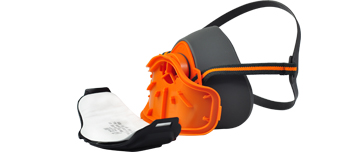
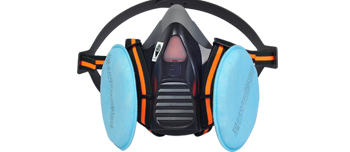
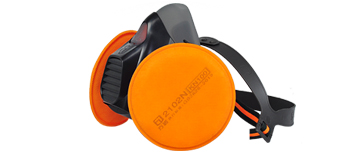
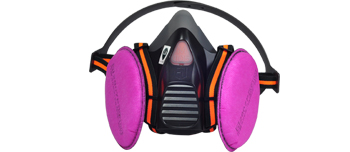
Misconception 3: Only focus on protection, not on fit. Even if the protection level of the mask meets the standard, if the facial fit is not tight, dust will enter the respiratory tract through the edge gaps, greatly reducing the protective effect. Workers with beards and special facial shapes can choose styles such as adjustable headbands and silicone face masks. After wearing them, they need to undergo an air tightness check to ensure no air leakage.
Misconception 4: Reusing disposable masks or cleaning filter cotton. Disposable masks and filter cotton are consumables, and repeated use and cleaning can damage the structure of the filter layer, resulting in a significant decrease in filtration efficiency. They cannot effectively block silica dust and may increase health risks due to secondary inhalation of dust on the filter cotton. Therefore, they need to be replaced strictly according to requirements.
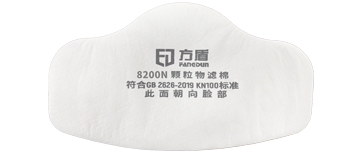
On the front line of stone processing, dust is silent and harmful, and silicosis is preventable but incurable. Every negligence in protection is like burying a mine for health. Choosing the right mask, wearing the right mask, and insisting on wearing it are not formalities, but the most direct defense line for stone workers to safeguard their professional lives.
Avoiding selection errors, truly implementing the three points of filtration efficiency, facial fit, and scene adaptation, while also considering breathability and odor protection, can ensure that the protection is not compromised and workers are willing to wear it. May every stone worker, while working hard, maintain their respiratory health, work safely, and return home with peace of mind.