English
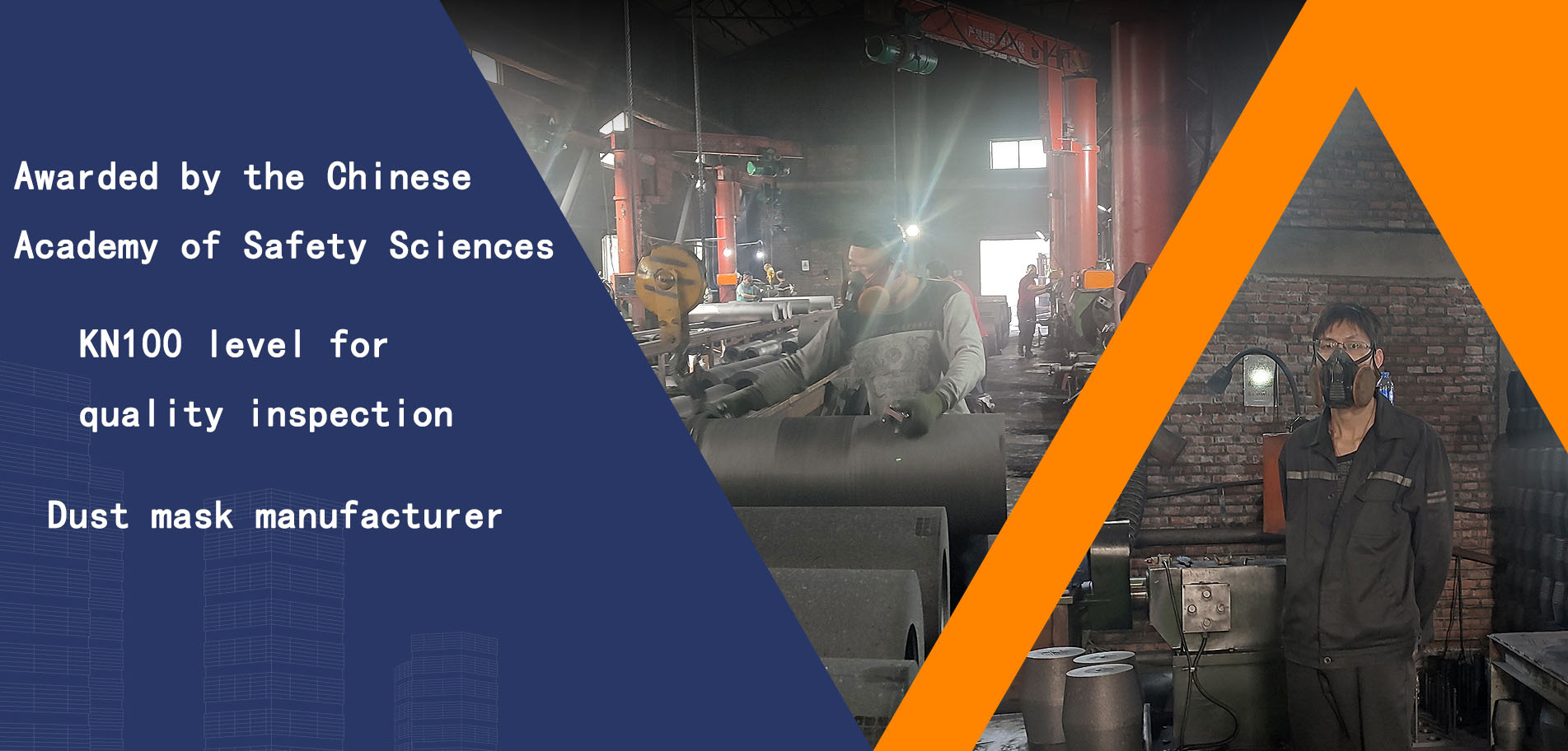
In industrial production environments, dust is an invisible health killer. Long term inhalation of fine particulate matter may lead to pneumoconiosis, respiratory inflammation, and even cancer. Choosing and using industrial dust masks correctly is the first line of defense to ensure the respiratory safety of workers. This article will provide you with the ultimate shopping and usage guide without brand bias.

1、 Recognize the protection standards and levels
The primary principle for choosing masks is to "benchmark". Different countries and regions have different protection standards, but the core logic is consistent: selecting filtration efficiency based on dust concentration and toxicity.
In China, the GB 2626 standard should be followed. This standard divides particulate matter respirators into two categories: KN and KP: KN is suitable for filtering non oily particulate matter (such as cement dust, coal dust, wood chips), while KP is suitable for oily and non oily particulate matter (such as asphalt smoke, diesel engine exhaust). Each category is further divided into three levels: 90, 95, and 100, with numbers representing the percentage of filtering efficiency. For example, KN95 indicates a filtration efficiency of not less than 95% for non oily particulate matter. For general industrial dust, KN95 is usually the basic configuration; If the environmental dust concentration is extremely high or contains highly toxic substances, it needs to be upgraded to KN100 level.

2、 Tightness is more important than filtration efficiency
Many workers mistakenly believe that the higher the filtering level, the safer it is, but overlook the key factor of "tightness". If there is a gap between the mask and the face, dusty air will directly enter the respiratory tract through the gap, and even the highest filtration efficiency is meaningless.
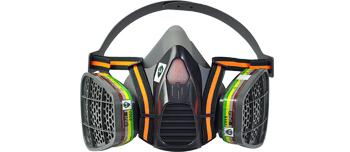
The ideal industrial dust mask should have an adjustable headband and nose clip. Headbands should be made of materials with moderate elasticity and not easily aged. It is best to use a double ended strap design (fixed on the top of the head and the back of the head respectively) to ensure long-lasting pressure fit. The nose clip should be easy to shape and closely fit the contour of the nose bridge of different users. Before use, it is necessary to perform an air tightness check: cover the surface of the mask with both hands and take a deep breath to feel if there is any air leakage. In addition, facial hair (such as beard) can seriously damage the fit, and the wearing area should be kept smooth.
3、 Balance between comfort and breathability
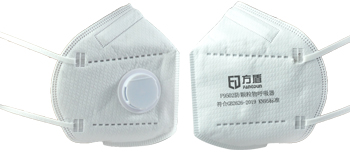
Industrial operations often last for a long time, and the comfort of masks directly affects workers' willingness to wear them. High quality dust masks should ensure high filtration efficiency while minimizing respiratory resistance. The design with an exhalation valve can effectively discharge humid and hot exhaust gases, reduce stuffiness and lens fogging, and significantly improve the comfort of long-term wearing. At the same time, the material of the inner layer in contact with the skin should be soft and skin friendly to avoid causing allergies or pressure marks.

4、 Proper maintenance and replacement
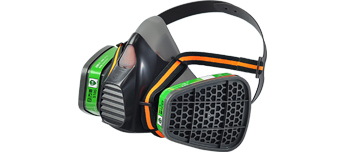
Dust masks are not permanent items. When there is a significant increase in respiratory resistance, damage, deformation, or contamination of the mask, it must be replaced immediately. For disposable masks that cannot be cleaned, it is strictly prohibited to wash them with water or disinfect them with alcohol, as this can damage the electrostatic adsorption layer and cause filtration failure. The reusable half mask body needs to be cleaned regularly, while the filter cotton is a consumable and needs to be replaced according to the dust concentration in the working environment.

Breathing safety is no small matter. Only by choosing the right standards, wearing the right methods, and replacing them in a timely manner can we truly build a strong barrier against dust damage. Making every breath fresh and safe is an essential bottom line in industrial production that cannot be ignored.