English
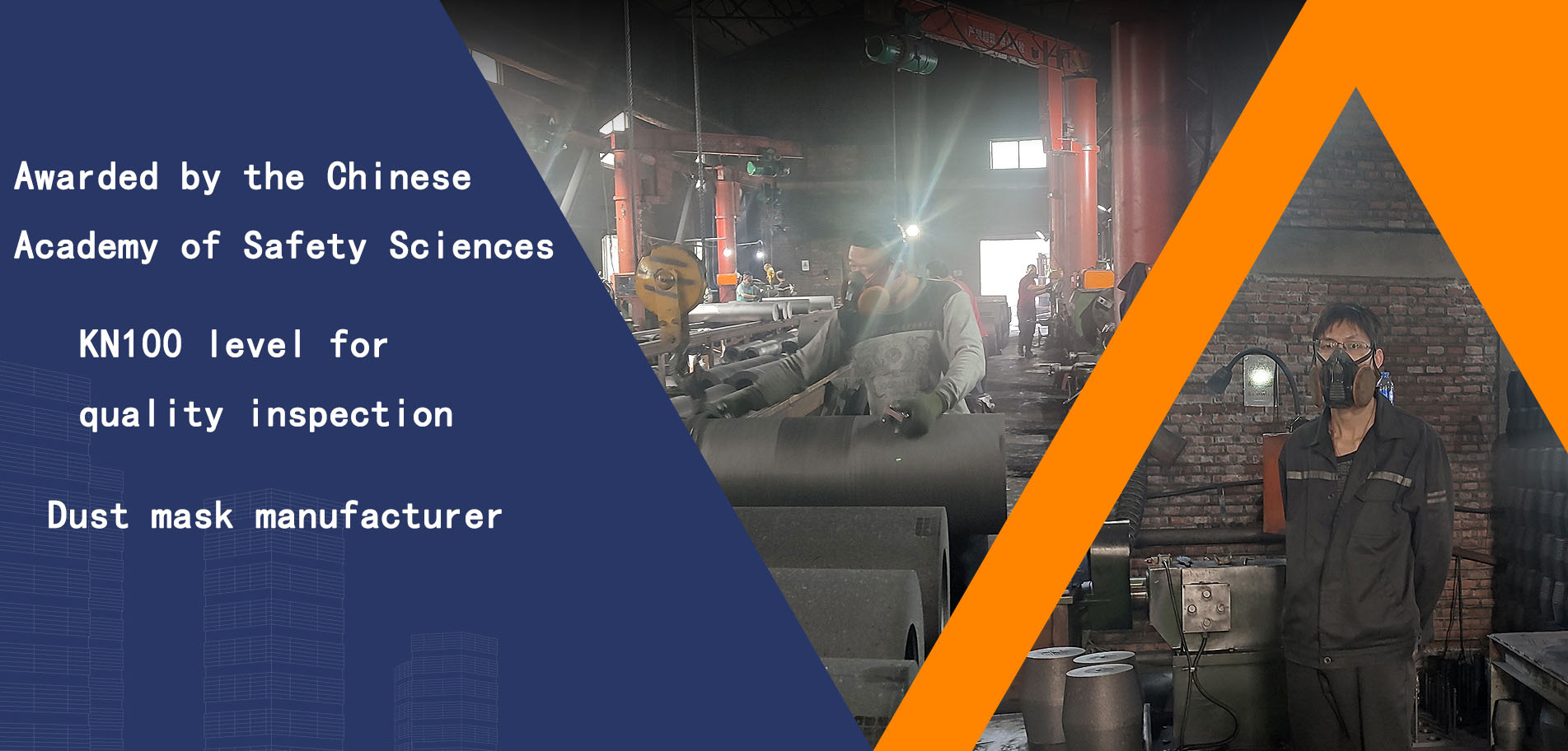
In the production chain of metallurgical industry, chlorine gas is an important chemical raw material and auxiliary medium, widely used in rare metal extraction, ore leaching, and metal surface treatment. However, chlorine gas has extremely strong irritants and toxicity, and once leaked, it poses a serious threat to the respiratory system, eyes, and skin of workers. Therefore, scientifically selecting and correctly using gas masks is the core defense line to ensure the safety of chlorine gas operations.
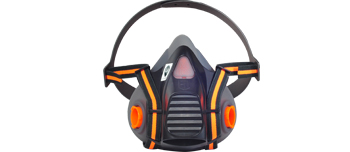
Chlorine gas is a highly toxic gas that mainly damages the respiratory mucosa. At high concentrations, it can quickly cause pulmonary edema and even suffocation death. In response to this characteristic, metallurgical enterprises must strictly follow the principle of "graded protection and tailored measures" when configuring respiratory protective equipment. Filter type gas masks are the preferred solution for low concentration chlorine gas environments or for short-term inspections and emergency response.
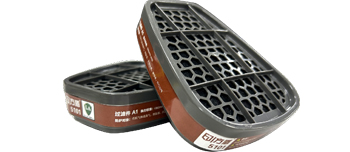
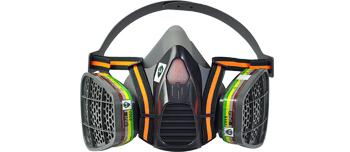
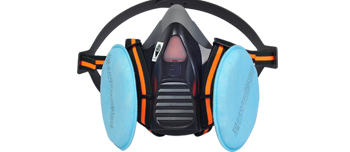
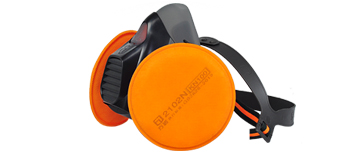
This type of mask undergoes a chemical reaction with chlorine gas through a chemical adsorbent (usually impregnated activated carbon) inside the filter box, thereby trapping it. When selecting, it is necessary to confirm that the filter box is marked with a specialized chlorine gas color code (usually gray or a specific combination of colors), and ensure that it is within its expiration date and sealed properly. It is worth noting that filter masks are only suitable for environments with normal oxygen content (greater than 19.5%) and chlorine concentration within the designated protection range of the mask. It is strictly prohibited to use them in oxygen deficient or high concentration unknown environments.
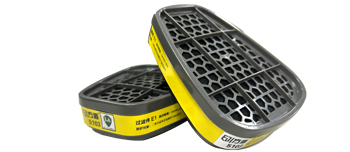
When facing high concentration chlorine gas leaks, confined space operations, or hazardous areas with insufficient oxygen content, filter masks are no longer suitable and must be upgraded to isolated respiratory protective equipment, such as positive pressure air respirators. This type of equipment does not rely on ambient air, but is supplied by the wearer carrying a compressed air bottle and maintaining positive pressure inside the mask, which can effectively prevent toxic gases from entering and provide the highest level of safety protection for operators.

Positive pressure air respirators should be used as standard emergency equipment in high-risk locations such as chlorination rooms and liquid chlorine storage tank areas in metallurgical plants, and the pressure and airtightness of gas cylinders should be regularly tested. In addition to hardware selection, standardized usage management is also crucial. Before starting work, personnel must undergo strict airtightness checks to ensure that the face mask is tightly attached to the face and there are no factors such as beards that may hinder sealing.
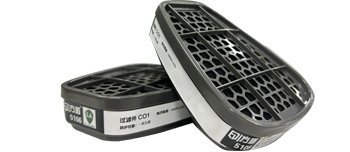
During use, always pay attention to changes in respiratory resistance. If you smell an odor or feel difficulty breathing, you should immediately evacuate to a safe area to replace the filter material or use a backup gas source. In addition, enterprises should establish a comprehensive training mechanism to enable every chlorine related worker to proficiently master the wearing, dismantling, maintenance, and first aid knowledge of masks. Regular simulated leak drills should be conducted to transform protective skills into muscle memory.
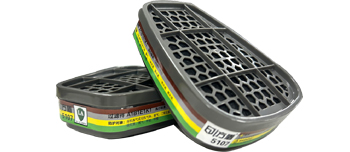
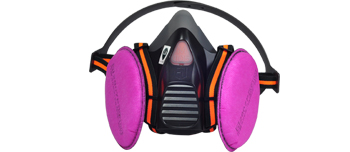
In summary, the Fangdun gas mask is the last barrier to protect life in chlorine gas operations in the metallurgical industry. Only by scientifically matching filtering or isolating equipment based on the actual risk level of the work environment, supplemented by strict management systems and proficient operating skills, can the occurrence of chlorine poisoning accidents be effectively contained and the safe and stable operation of metallurgical production be ensured.