English
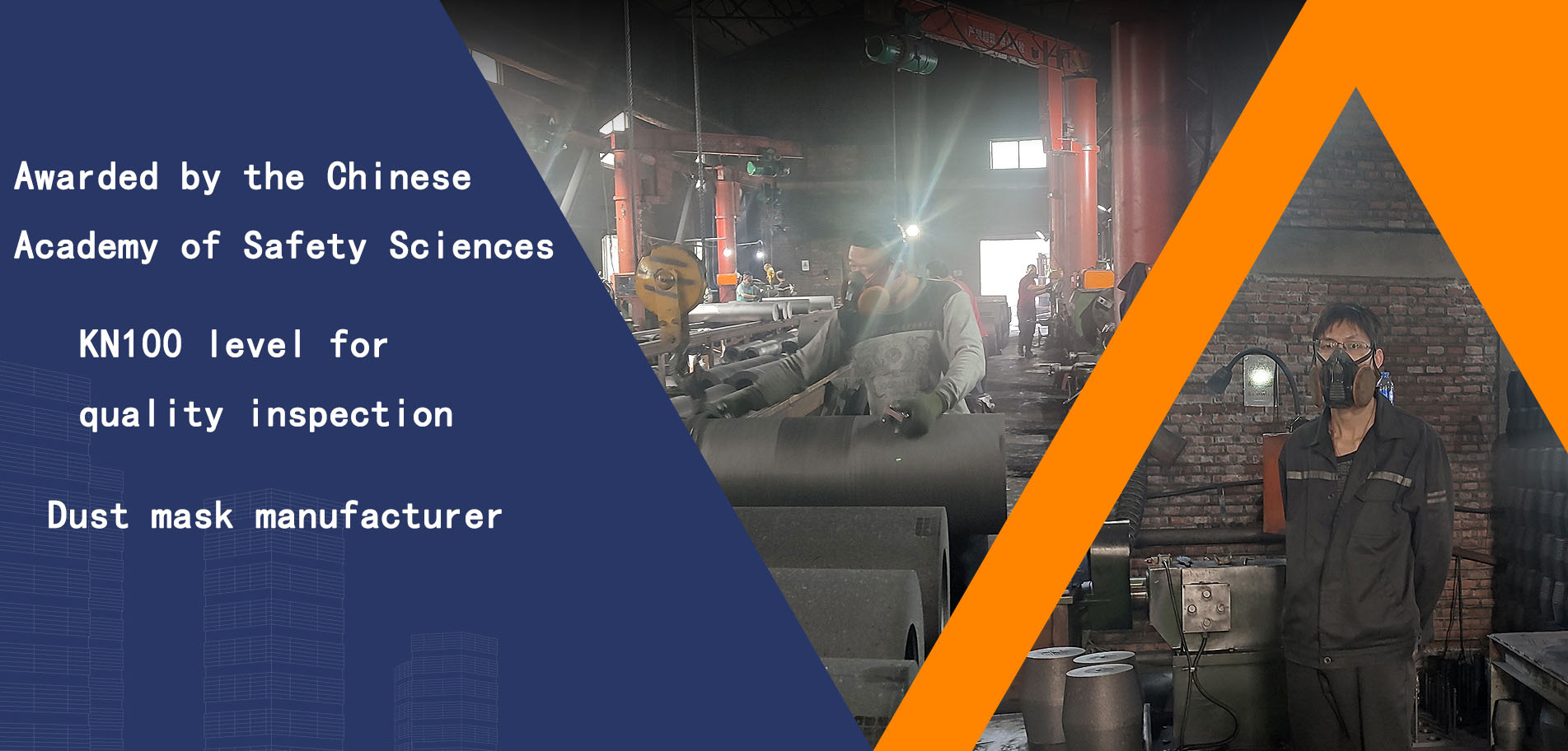
Dust is a common occupational hazard factor in modern industrial production. Mining, metallurgy, building materials manufacturing, mechanical processing, grain processing and other industries often generate a large amount of dust during the production process. Long term exposure to high concentration dust environments, if not properly protected, may lead to irreversible occupational health hazards such as pneumoconiosis. Therefore, in the selection of respiratory protective equipment, the Fangdun half mask has become an important equipment in many industrial scenarios.
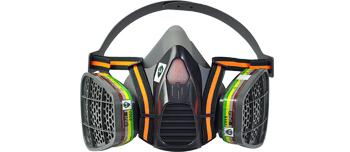
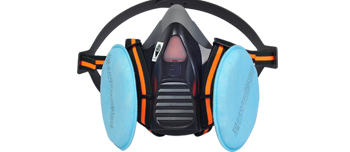
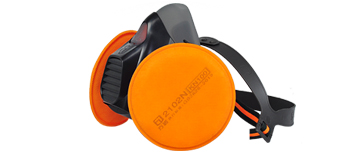
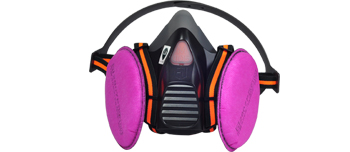
Half face mask is a respiratory protective equipment that covers the mouth and nose. Compared with full face mask, it has the characteristics of wide field of vision, light weight, comfortable wearing, and convenient communication. It plays an irreplaceable role in high dust environments. It filters and intercepts dust particles in the air through filtering elements, providing clean air for the wearer and effectively reducing the risk of dust inhalation.
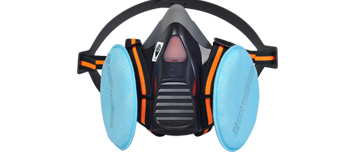
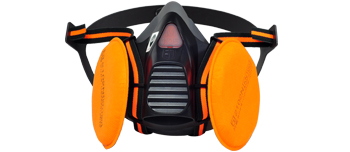
Choosing the appropriate half mask is crucial. In high dust environments, filter elements with higher protection levels should be prioritized. According to different dust characteristics, KN95 or KN100 grade filter cotton can be selected. The former has a filtration efficiency of over 95% for non oily particles, while the latter can reach up to 99.97%. For mixed dust containing oily particles, KP filter elements should be selected. Choosing the correct filtering level ensures both protective effectiveness and respiratory comfort.
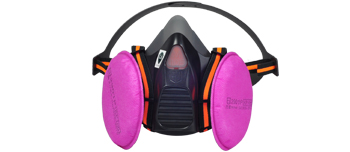
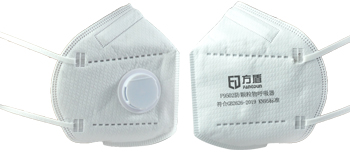
The wearing method is a key factor in determining the effectiveness of protection. Firstly, perform an air tightness check: gently cover the filter element with your palm and slowly inhale. If the mask collapses slightly and there is no air leakage at the edges, it indicates that the seal is well worn. Then perform a breath check: cover the exhalation valve, exhale slowly, feel the mask slightly bulging without any air leakage, and confirm that the exhalation valve is functioning properly. In daily use, the metal nose clip should be adjusted and fitted according to the shape of the nose bridge, and the headband should be moderately elastic to ensure that the mask is fully fitted to the face.
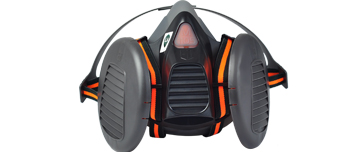
The details during use cannot be ignored either. When there is a significant increase in respiratory resistance, difficulty breathing, or when the filter cotton is damaged or contaminated, the filter element should be replaced in a timely manner. It is worth noting that the filter element cannot be washed with water, otherwise it will damage the structure of the filter layer and reduce the protective effect. The mask body can be wiped with a mild cleaning agent to maintain cleanliness and hygiene. After work, the half face mask should be stored in a clean and dry environment to avoid deformation caused by compression.
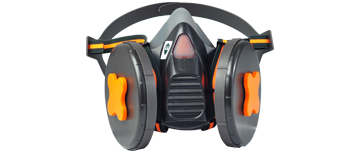
In high dust environments, the Fangdun half mask is an important barrier to protect respiratory health. Proper selection, standardized wearing, and timely maintenance are necessary to truly exert its protective effect. Occupational health is related to the quality of life of every worker, and valuing respiratory protection is to cherish one's own healthy future. In a dusty work environment, although the half face mask is small, it carries respect and protection for life.