English
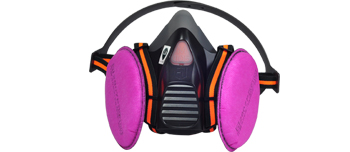
In many scenarios of industrial production and daily operations, respiratory protection is an indispensable part of ensuring health. When we are unable to completely isolate the source of pollution, gas masks become the "loyal guardians" guarding the respiratory system. It is lightweight, efficient, and can provide reliable respiratory protection for users without affecting their field of view.
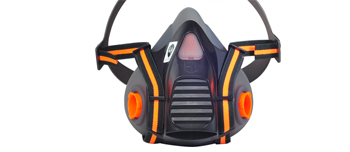
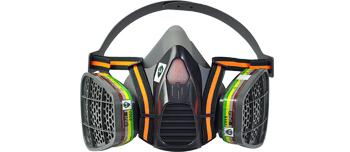
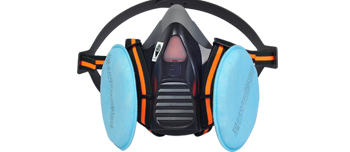
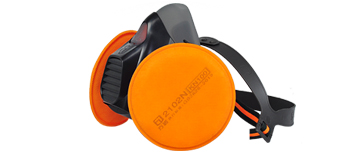
Working principle and applicable environment: The Fangdun half mask is a filtering respiratory protective equipment. Its core working principle is to rely on the user's own breathing to overcome component resistance, filter and purify pollutants in the ambient air, and then inhale them into the body. It mainly covers the user's mouth and nose area to protect the respiratory system, but compared to a full face mask, it cannot protect the eyes and other facial skin.
This type of mask has strict applicability requirements: it can only be used in an environment with an oxygen concentration of not less than 18% and a suitable temperature (usually between -30 ℃ and 45 ℃). It must not be used in oxygen deficient environments, enclosed spaces such as tanks, or for firefighting and rescue operations. In short, it is only applicable to places where known concentrations of toxic gases or vapors do not immediately pose a threat to life and health.
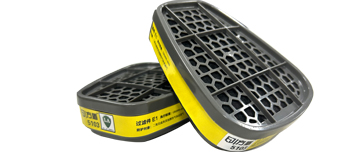
Core structure and filter selection: A complete half face mask mainly consists of two parts: a tightly sealed mask body and a core filter (filter box). The mask body is usually made of rubber or silicone. Compared with traditional rubber, silicone material is more soft and comfortable, has strong anti-aging property, and is not easy to cause skin allergy. The mask is designed with a breathing valve to expel exhaled air and keep the inside dry.
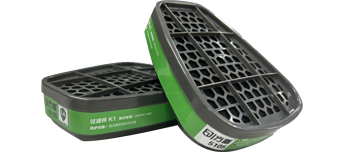
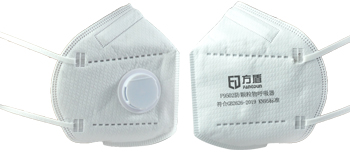
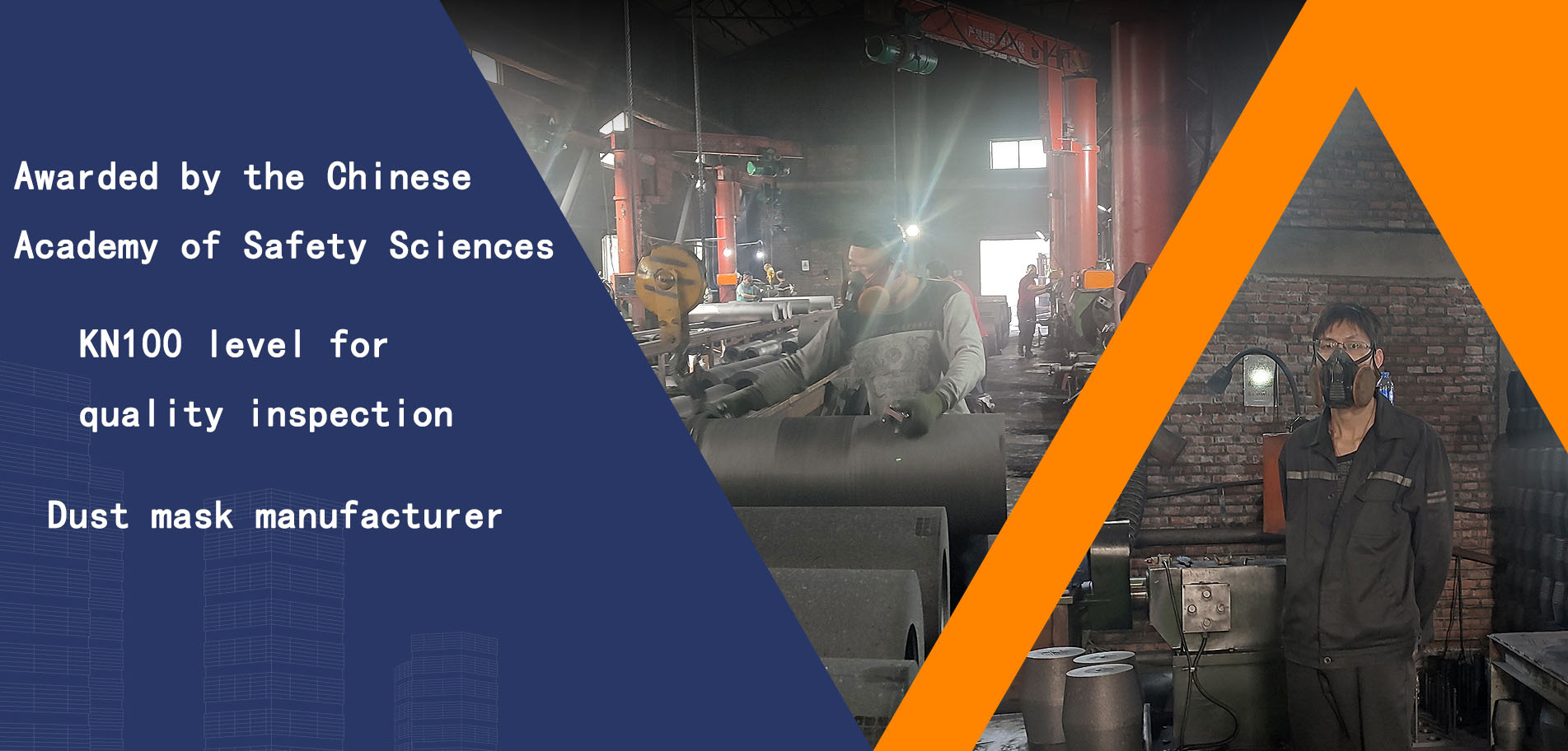
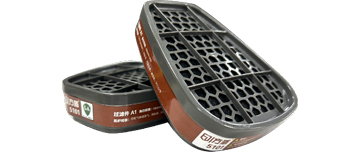
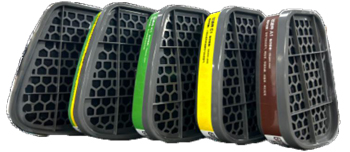
The 'heart' that truly determines the effectiveness of protection is the filter element. According to the national standard GB 2890-2022, filter components need to be selected for different toxic substances. For example: protection against organic gases (such as benzene, gasoline vapor), protection against inorganic gases (such as chlorine gas), protection against acidic gases (such as sulfur dioxide), protection against ammonia gas. If there are particles (such as dust and smoke) present in the environment, a comprehensive filter with a particle filter layer must be selected, and its protection level is divided into KN95, KN100, etc.
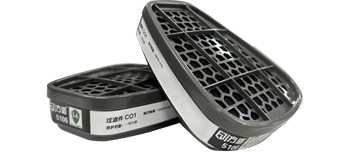
When making a purchase, be sure to check the markings on the filter (such as A1, E2KN95) to ensure that they match the pollutants in the working environment. Proper wearing and maintenance: "Choosing the right one" is only the first step, "wearing it well" is the key. Due to the fact that the half face mask only relies on a tight fit with the face for sealing, having a beard or wearing framed glasses can lead to poor sealing, allowing pollutants to take advantage of the situation.
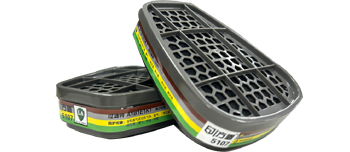
Before each use, an air tightness check should be conducted: block the air inlet of the filter with your palm and inhale. The face mask should collapse inward and feel stuffy, otherwise it indicates a leak. Filter components are time sensitive consumables, and once opened or their usage limit is reached, their adsorption capacity will become saturated. When smelling odors or feeling irritation while wearing, it is necessary to immediately evacuate and replace the filter with a new one.
After use, clean the mask with mild soapy water, strictly prohibit the use of strong solvents or oily chemicals, and store it in a dry and dark place. Although the Fangdun half mask is small, it is an important defense line to protect life. Only with scientific selection, correct wearing, and timely maintenance can it truly play a role in critical moments.