English
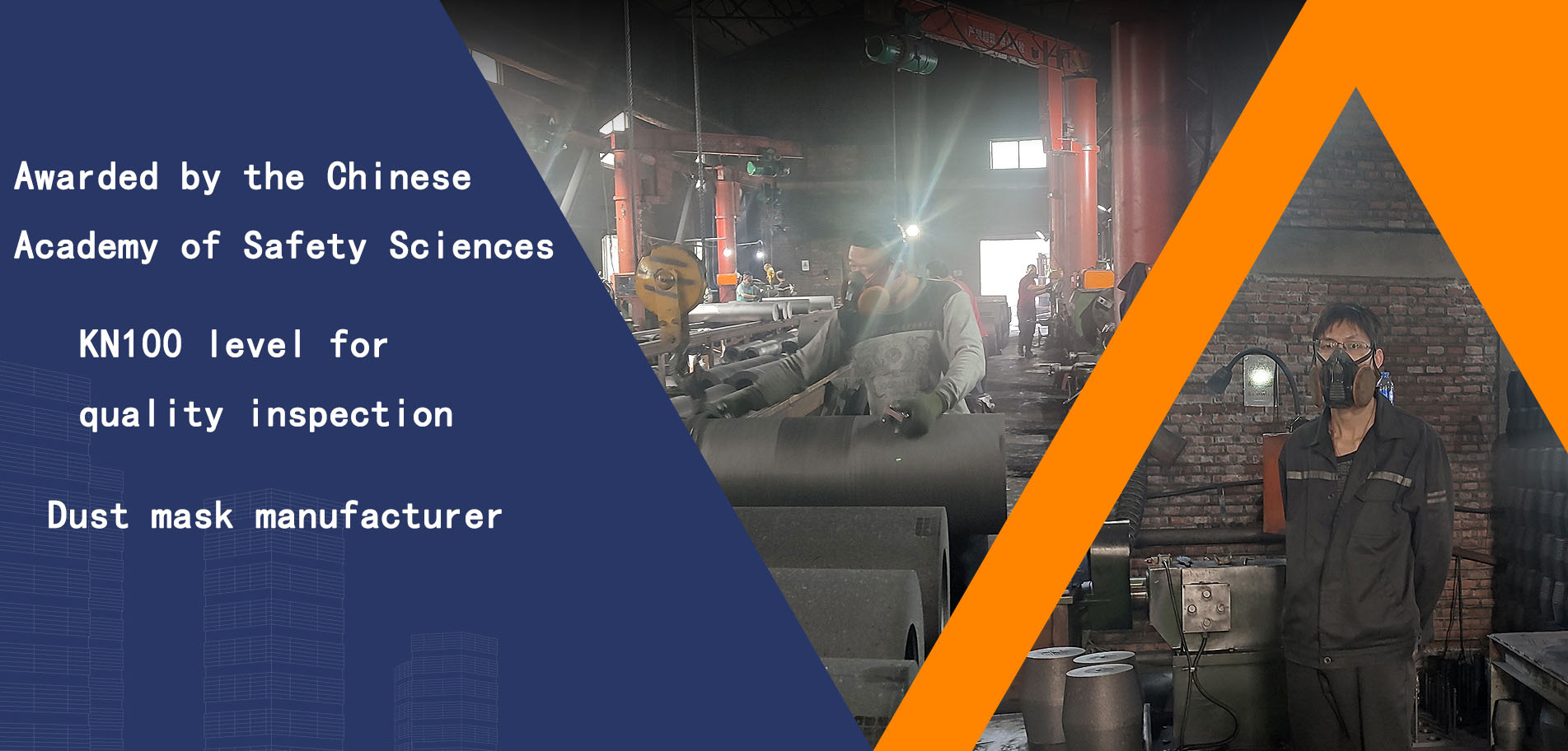
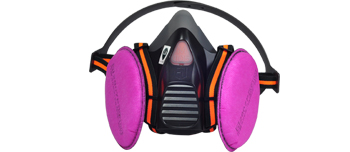
At the coal mine operation site, facing the flying coal dust, choosing the appropriate dust cover and wearing it correctly is a basic skill that every miner must master. However, in practical work, cases of protection failure caused by incorrect selection or improper wearing are not uncommon. How to scientifically select and use this key equipment is directly related to the respiratory safety of the operators.
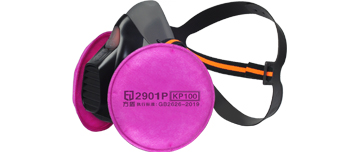
Firstly, selection is the first step in protection. Coal mine dust mainly belongs to non oily particulate matter, so filter elements labeled with the "KN" series should be selected. The protection level varies depending on the dust concentration in the work environment. When dealing with extremely high dust concentrations or conducting high dust operations such as blasting and excavation, it is essential to use filter cotton with the highest protection level (such as KN100) to ensure almost complete filtration efficiency; In general transportation or low dust environments, KN95 level may also meet the demand, but for safety redundancy considerations, high protection level is always more secure. At the same time, the material of the mask body also needs to be considered. Silicone material is usually softer and more resistant to aging than rubber, and has less skin irritation, making it more suitable for long-term wear.
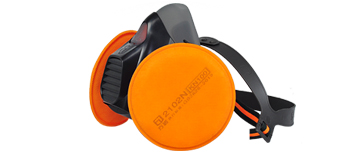
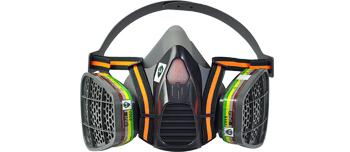
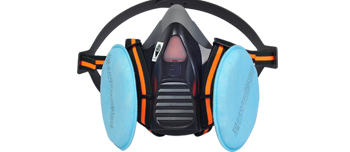
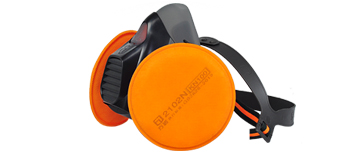
The correct wearing process of Fangdun half face mask is the key to maximizing its protective effectiveness. Before wearing, check whether the mask body has cracks or deformations, whether the headband has lost elasticity, and whether the filter cotton is damp or damaged. When wearing, first hold the mask against the chin so that the lower part of the mask covers the lower jaw, then stretch the headband to the back of the head and fix it, being careful not to cross or twist the headband. Next, use both index fingers to press the nose clip and shape it from the middle to both sides, making it closely adhere to the contour of the nose bridge. This is the core step to prevent upper air leakage. Many workers are accustomed to pinching the nose clip with one hand, which often leads to poor sealing and must be corrected to two handed operation.
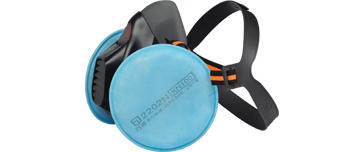
After wearing, it is necessary to conduct a self inspection of the tightness. The simple methods are positive pressure inspection and negative pressure inspection: cover the filter cotton and inhale. If you feel the face mask collapsing inward and there is no air leakage sound, it indicates that the negative pressure seal is good; Cover the exhalation valve and exhale. If you feel the mask slightly bulging and the gas does not overflow from the edge, it indicates that the positive pressure seal is qualified. If a leak is found, adjust the tightness of the nose clip or headband again until it is completely tight.
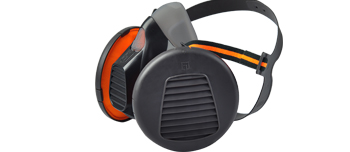
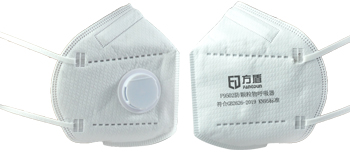
In addition, daily maintenance is equally important. The main body of the Fangdun half face mask should be regularly cleaned with warm water and neutral detergent, dried, and stored in a clean and dry place to avoid direct sunlight and aging. Filter cotton is a consumable, and once you feel a significant increase in respiratory resistance, dirty or damaged filter cotton, or reach the specified usage limit, it must be replaced immediately. Remember, the dust-proof half mask cannot be washed with water, as washing with water can damage the electrostatic polarizing layer and cause a cliff like drop in filtration efficiency.
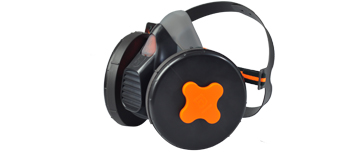
In short, selecting the appropriate grade, following standardized wearing procedures, and adhering to regular maintenance are all essential steps. Only by internalizing the correct usage methods into muscle memory can the small half mask truly become a solid shield for miners' respiratory systems.