English
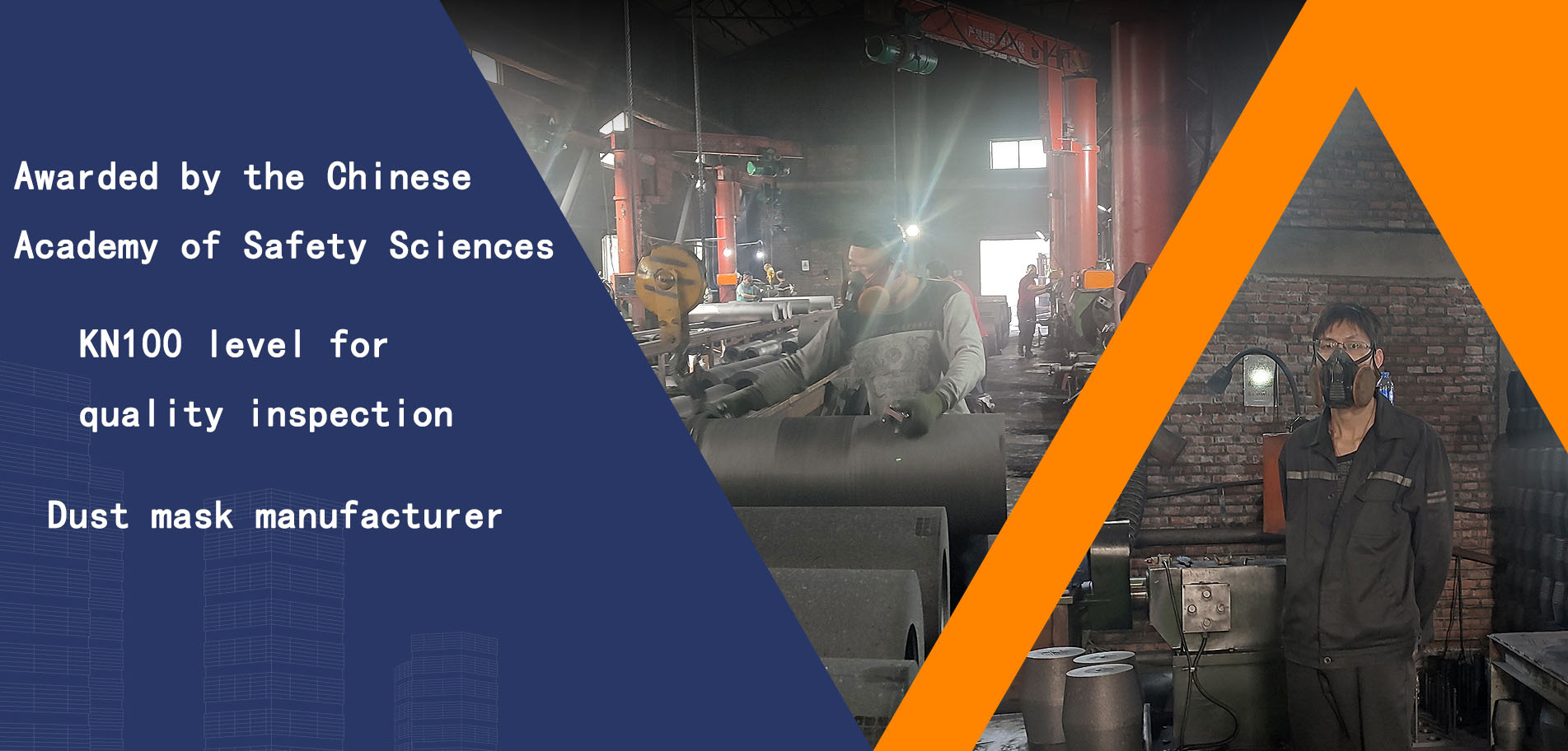
In the coal mine safety production system, the dust cover is an important personal protective equipment to protect workers from pneumoconiosis. However, many workers often prioritize "use" over "maintenance", thinking that wearing a face mask is enough and neglecting daily cleaning, maintenance, and lifespan management. In fact, face masks that lack maintenance not only have greatly reduced protective performance, but may also become a breeding ground for bacteria, leading to secondary health risks.
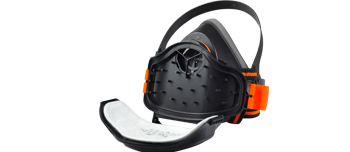
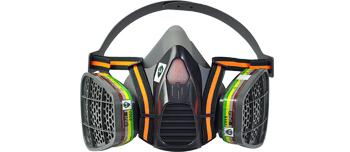
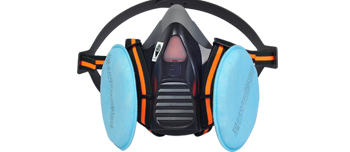
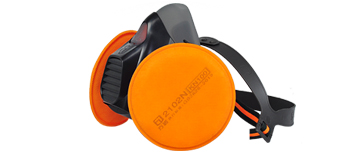
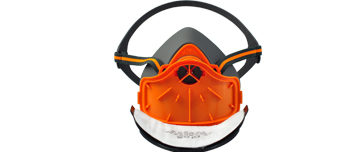
The primary task of maintaining a dust-proof half mask is to keep it clean. The underground environment of coal mines is harsh, and the surface of the face mask is prone to adhere to coal slurry, oil stains, and sweat stains. These dirt not only corrode the mask material, accelerate its aging and cracking, but also block the exhalation valve, increasing respiratory resistance. It is recommended that after each shift, workers should separate the mask body from the filter element (discard disposable filter cotton directly), gently rub the mask body with warm water and a small amount of neutral detergent, and pay special attention to cleaning the sealing edge and exhalation valve plate that come into contact with the face. It is strictly prohibited to use organic solvents, strong acids and alkalis, or high-temperature hot water for cleaning, in order to avoid damaging the physical properties of silicone or plastic components. After cleaning, it should be naturally dried in the shade and avoid direct sunlight or baking, as ultraviolet rays and high temperatures can accelerate material hardening and cause sealing failure.
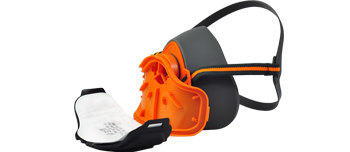
The lifespan management of filter elements is the core of maintenance work. There is no fixed "shelf life" for filter cotton, and its service life depends on environmental dust concentration, worker respiratory rate, and labor intensity. When the following situations occur, the filter cotton must be replaced immediately: first, the respiratory resistance increases significantly, making it difficult to hold your breath; Secondly, there are obvious dust accumulation, damage, or moisture deformation visible on the surface of the filter cotton; The third is the smell of odor (although coal dust itself is odorless, there may be abnormalities if accompanied by other gases or filter material deterioration); The fourth is to meet the manufacturer's recommended maximum usage time limit. Do not use beyond the expiration date in order to save costs. Once the filter cotton penetrates, high concentration coal dust will be driven straight in, and previous protective efforts will be in vain.
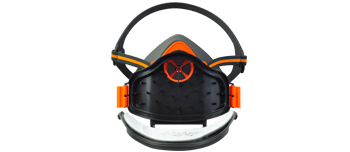
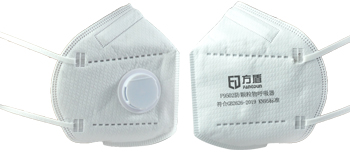
The storage method also affects the lifespan of the mask. After cleaning and drying, the mask body should be placed in a dedicated sealed bag or storage box in a cool, dry, and dust-free place. Avoid littering at the bottom of the toolbox or mixing with sharp tools to prevent the face mask from being deformed or scratched under pressure. For face masks with exhalation valves, the valve plate should be stored in a naturally stretched state to avoid adhesion or deformation caused by long-term compression.
In addition, establishing a personal collection and replacement ledger is a necessary means at the management level. Enterprises should regularly inspect the integrity of employee face masks and force the elimination of old masks that are aging, deformed, or poorly sealed. For positions that frequently come into contact with high concentration dust, the inspection cycle should be shortened.
The maintenance and upkeep of the dust cover is a meticulous and continuous task. Only through standardized cleaning, scientific replacement strategies, and reasonable storage management can the service life of equipment be extended, ensuring that it is always in the best protective state at critical moments and providing lasting and reliable protection for the respiratory health of coal miners.