English
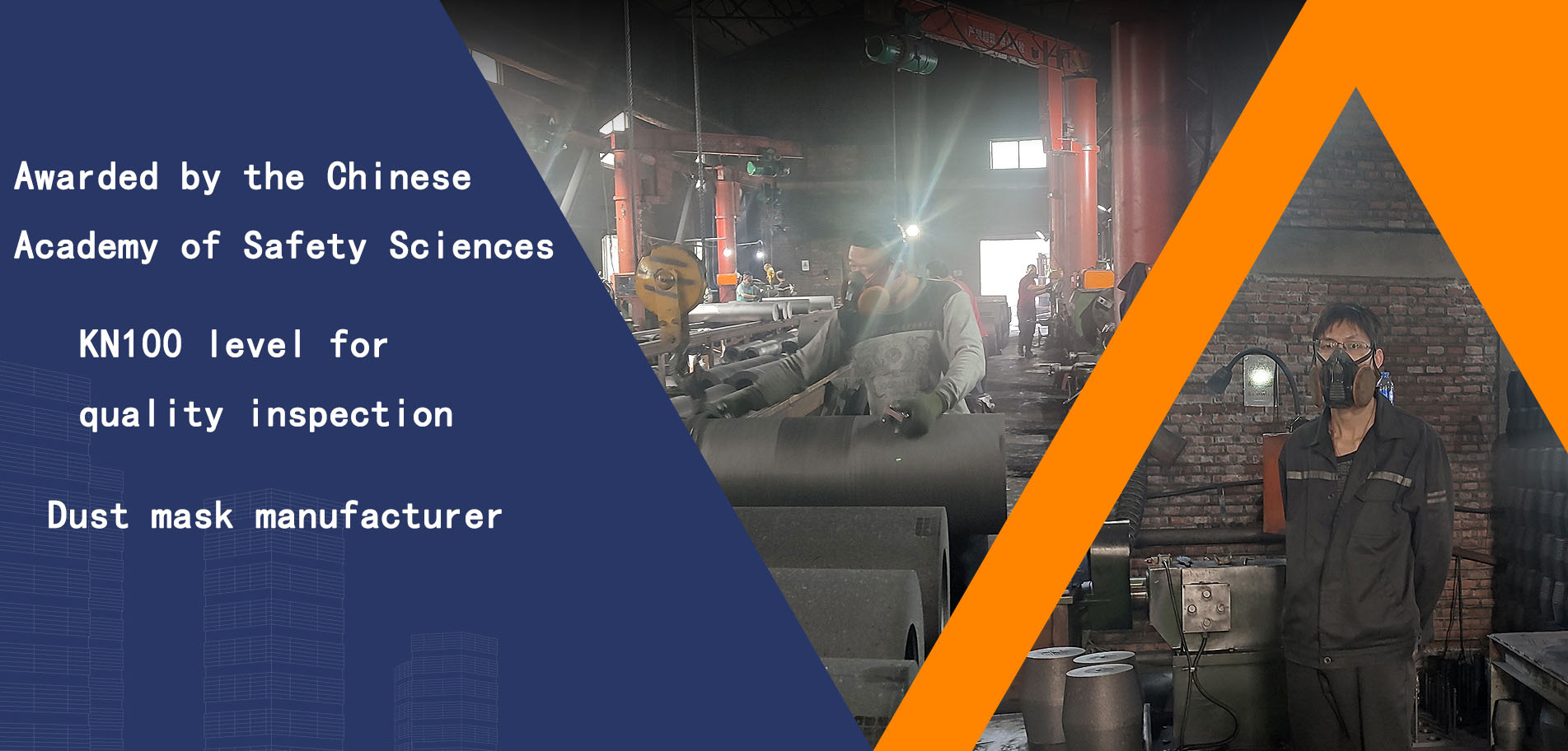
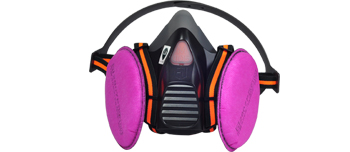
In industrial scenarios such as mining, metal smelting, construction, and mechanical polishing, fine dust is everywhere. Long term inhalation can cause serious occupational diseases such as pneumoconiosis, threatening the physical health of workers. Industrial grade dust masks, as the core personal protective equipment, rely on scientific design and strict standards to build a solid respiratory safety defense line for frontline workers, and are an indispensable safety guarantee in industrial production.
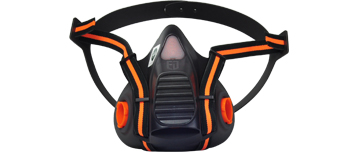
Industrial grade dust masks have essential differences from ordinary civilian masks, with their core advantages being precise protective performance and durability suitable for industrial scenarios. Its protective effect mainly depends on three core indicators: filtration efficiency, leakage rate, and respiratory resistance. China implements the GB 2626 standard and divides it into two categories: KN and KP. KN is for non oily particles, while KP is for oily particles. Each category is further divided into three levels: 90, 95, and 100, with filtration efficiencies of not less than 90%, 95%, and 99.97%, respectively. The EU implements the EN149 standard, which is divided into FFP1, FFP2, and FFP3 levels, and the protection requirements roughly correspond to China's standards.
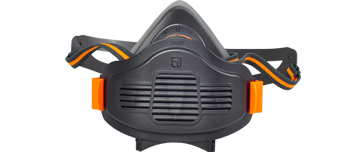
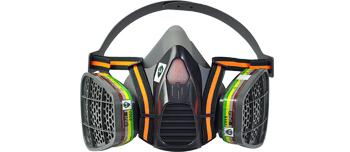
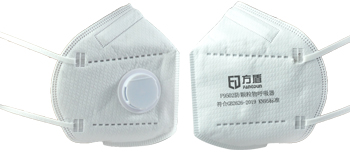
High quality industrial grade dust masks use multi-layer composite filter materials, which can effectively block harmful particles such as fine dust, metal droplets, asbestos fibers, etc. with a particle size of 0.075 microns or more, while also ensuring respiratory comfort. Its cover design conforms to the contour of the face, paired with an adjustable headband, which can minimize the leakage rate and ensure that external pollutants do not penetrate; Some styles are equipped with exhalation valves, which can reduce exhalation resistance, alleviate the stuffiness and heat caused by long-term wearing, and meet the needs of high-intensity work scenarios.
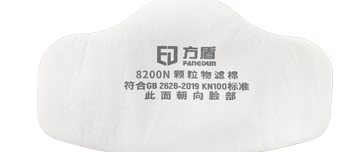
Choosing the appropriate Fangdun industrial grade dust mask is the key to ensuring protective effectiveness. The types of dust in different industrial scenarios are different, and non oily dust is mainly used in mining, construction, and other scenarios. The KN series can be selected; For scenarios where oily dust is generated during mechanical processing, welding, etc., the KP series should be selected. At the same time, the corresponding protection level should be selected based on the dust concentration. High risk scenarios should prioritize the use of high-grade products to ensure adequate protection.
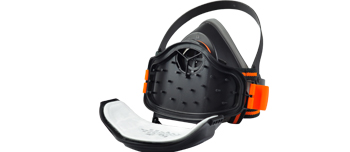
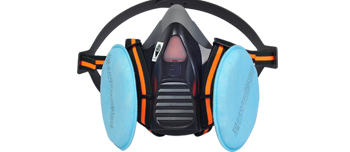
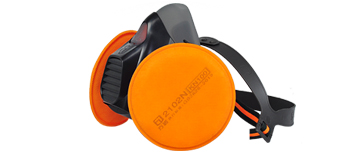
Proper wearing and maintenance are equally important. When wearing, it is necessary to check the sealing of the mask to avoid protection failure caused by improper wearing; Regularly replace the filter elements to prevent clogging of the filter material from affecting the protective effect and respiratory smoothness. In addition, the mask should be stored away from damp and oily environments to avoid aging and deterioration of the filter material, ensuring that the mask is always in good condition.

Industrial grade dust masks are not only protective equipment, but also a reverence and protection for the health of workers. Only by following relevant standards, scientifically selecting and using correctly, can this respiratory barrier truly play its role, safeguard industrial production safety, and allow frontline workers to protect their own health while working with peace of mind.