English
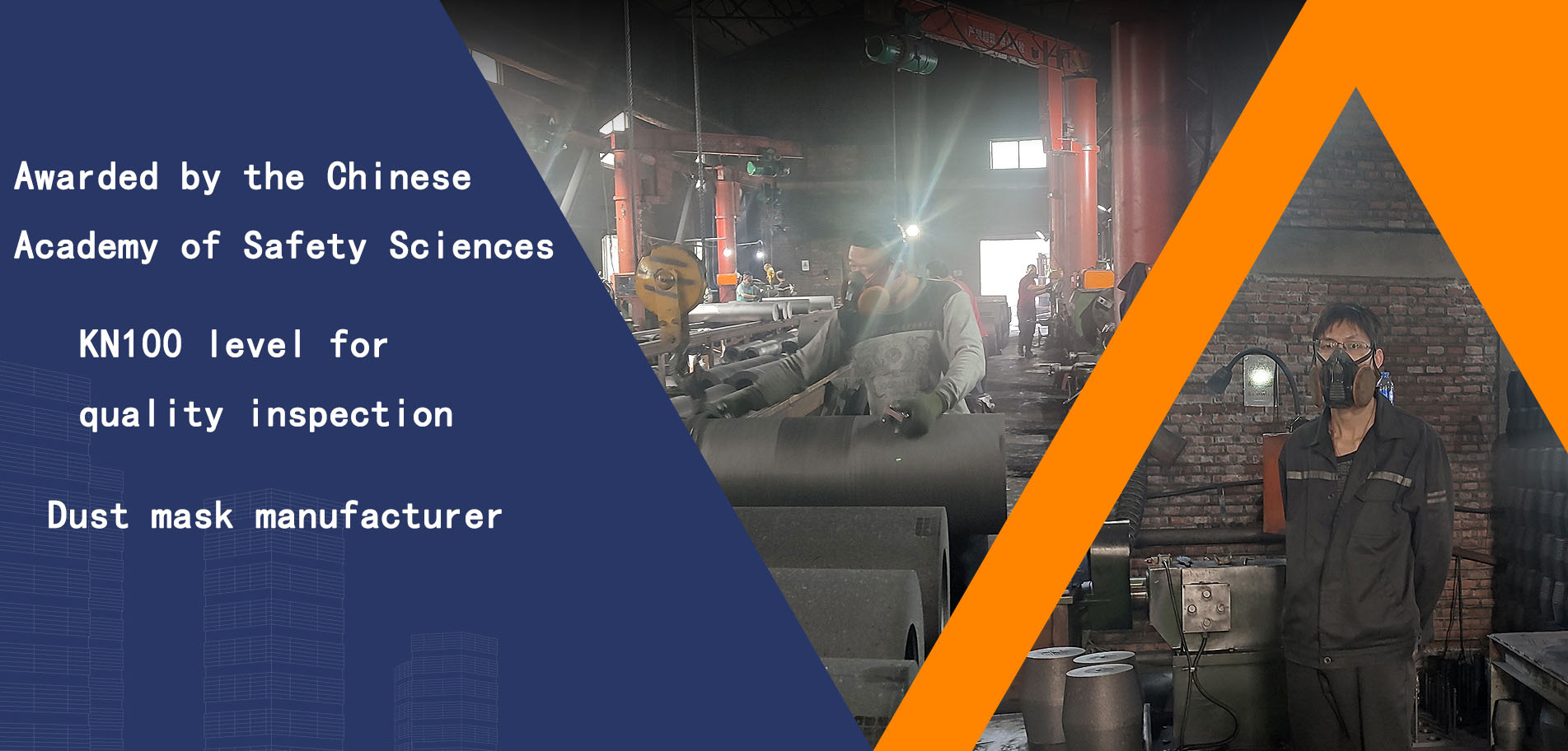
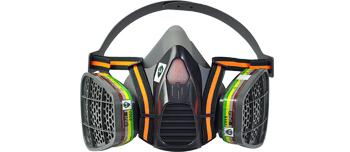
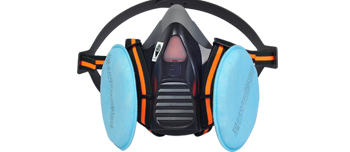
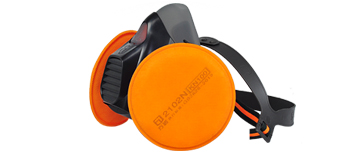
A half face mask is a key line of defense for respiratory safety, but its protective effect can only be exerted when used correctly. This guide will guide you through the entire process from preparation to maintenance, ensuring effective protection in hazardous environments.
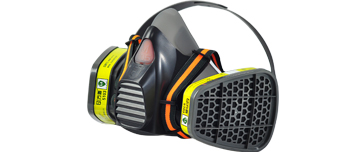
1、 Preparation before use
Environmental assessment: Confirm that the oxygen concentration in the work environment is not less than 18% and the pollutant concentration does not exceed the mask protection limit. If it is an oxygen deficient or high concentration toxic gas environment, a positive pressure respirator should be used instead.
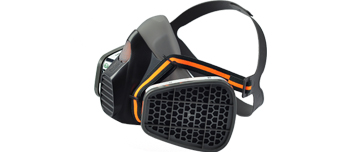
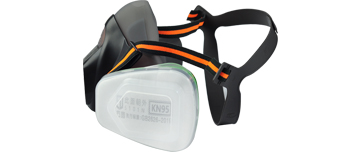
Equipment inspection: Check that the mask body is free of cracks and deformations, and that the silicone edges are soft and not aging; The packaging of the filter box/filter cotton is intact, within the validity period, and the model matches the pollutant (such as selecting type A for organic gas prevention and type B for acid gas prevention).
Facial preparation: Clean the face, remove beard, sideburns, and other hair that affects the tight fit, ensuring that the mask can tightly adhere to the skin.
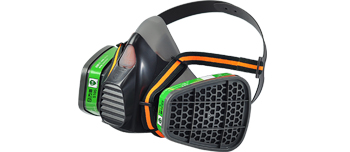
2、 Standardized wearing procedures
Adjust headband: Fully relax the headband, hold both sides of the mask with both hands, and make the metal clip at the nose bridge face upwards.
Cover the mouth and nose: Place the bottom of the mask on the chin and pull it up to cover the mouth and nose, ensuring that the edges conform to the contour of the face.
Fixed headband: First tighten the lower headband to the neck, then tighten the upper headband to the top of the head. The elasticity should be comfortable and leak proof.
Airtightness inspection:
Negative pressure test: Block the air inlet of the filter box with your palm, gently inhale, and keep the mask tightly against your face and collapsed for more than 10 seconds without any air leakage sound.
Positive pressure test: Block the exhalation valve with your palm and exhale gently. The face mask should be slightly inflated and there should be no gas leakage from the edge. If there is a leak, the headband needs to be readjusted or the mask needs to be checked for suitability.
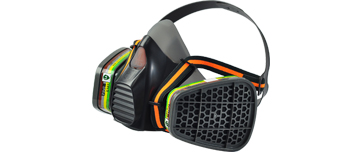
3、 Precautions during use
Wear throughout the process: After entering the contaminated area, it is strictly prohibited to remove the mask, as even short-term exposure may result in inhaling high concentrations of toxic substances.
Observation status: If you smell pollutants, feel a significant increase in respiratory resistance, or experience discomfort such as dizziness, evacuate immediately and replace the filter box.
Avoid interference: When wearing goggles and a safety helmet, be careful not to clash the headband with other equipment to prevent the face mask from shifting and leaking air.
4、 Post use maintenance
Cleaning face mask: Wipe the face mask with warm water and neutral detergent, focusing on cleaning the edges that come into contact with the face. After drying, store in a cool and dry place, avoiding direct sunlight.
Replace the filter cartridge: The filter cartridge is a consumable and should be replaced immediately after opening for a cumulative use of 8-24 hours (depending on the concentration of pollutants) or when an odor is detected; Even if the filter cotton is clogged, it should be replaced in a timely manner.
Regular inspection: Check the validity period of the mask body and filter box every month. Expired or aged components must be discarded.
5、 Common Misconceptions Warning
Misconception 1: Believing that "half face masks can protect all toxins" - it is necessary to choose the corresponding filter box according to the type of pollutant, and it is strictly prohibited to use "one box for all".
Misconception 2: Neglecting air tightness inspection - wearing it improperly can lead to ineffective protection, and it must be tested before each use.
Misconception 3: Use in hypoxic environments - Filter masks cannot provide oxygen, and isolated respirators must be used in hypoxic environments.
The protective effect of a half face mask depends three times on equipment and seven times on standardization. Only by strictly following the usage process can this' invisible barrier 'truly become a guardian of life safety.