English
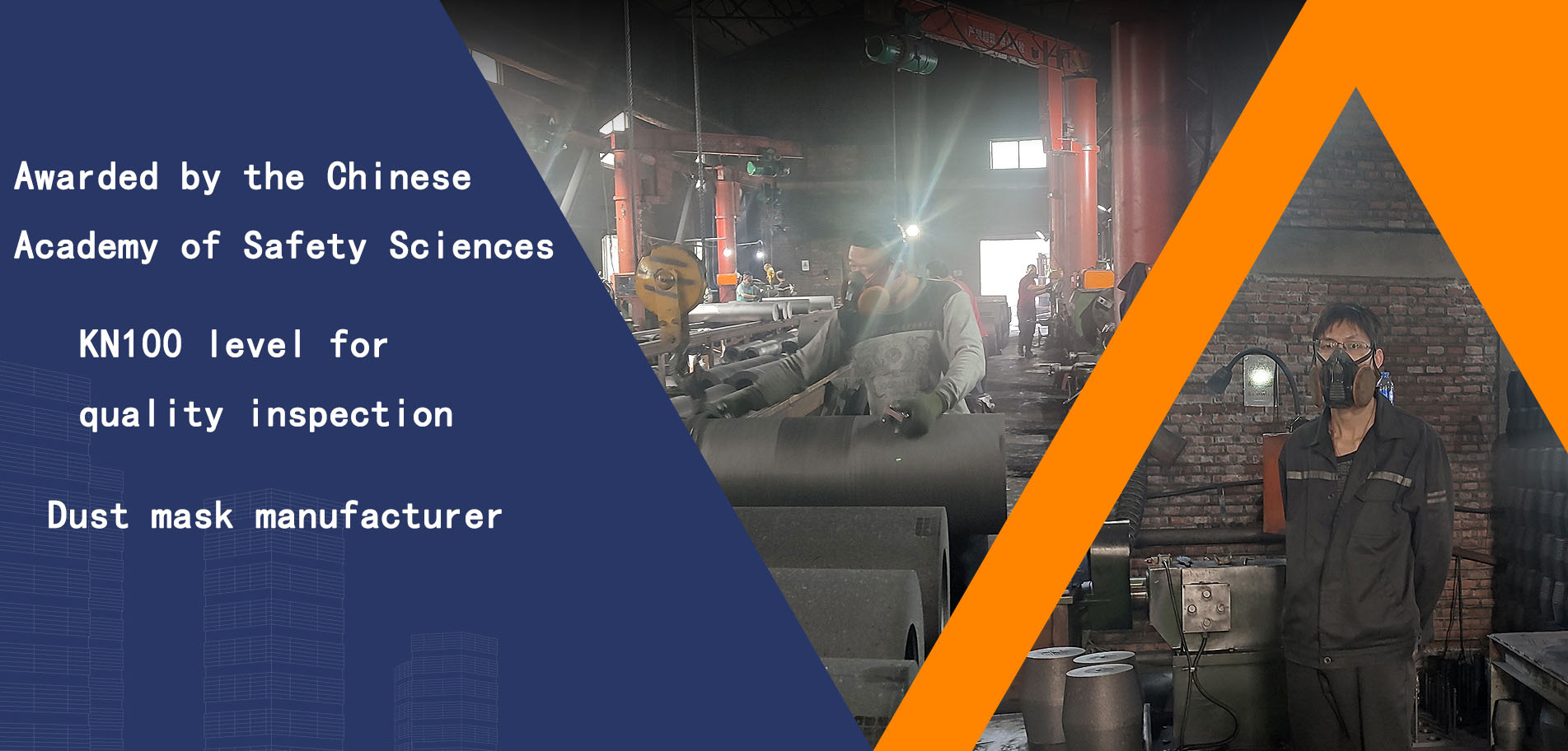
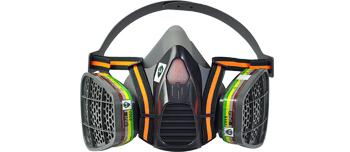
Among numerous protective masks, KN100 grade represents the highest filtration efficiency level specified in China's national standard GB 2626. For environments that require handling high concentrations of dust, haze, or microbial aerosols, the KN100 protective mask provides extremely tight protection for the respiratory system.
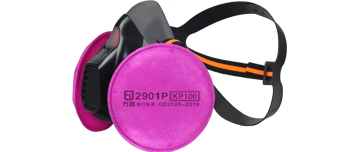
The core indicator of FangdunKN100 is a filtration efficiency of not less than 99.97% for non oily particles. This means that under standard testing conditions, for every 10000 fine particles with a diameter of around 0.075 microns, no more than 3 particles penetrate the mask. As a comparison, the filtration efficiencies of KN90 and KN95 are over 90% and 95%, respectively. From a numerical perspective alone, KN100 seems to be only slightly higher than KN95, but due to the percentage of filtration efficiency approaching 100%, its ability to capture small particles increases exponentially. Therefore, in practical applications, KN100's interception ability for extremely fine particles, virus aerosols, welding fumes, etc. far exceeds that of low-grade masks.
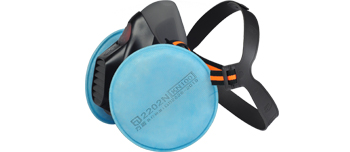
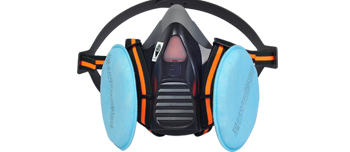
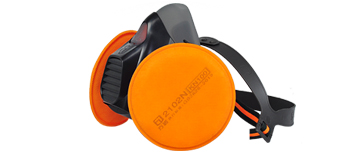
In addition to filtration efficiency, KN100 masks have extremely strict requirements for sealing. Efficient filter materials must form a reliable seal with the face, otherwise air containing pollutants will enter the respiratory tract directly through gaps, rendering high-grade filter materials useless. Therefore, masks that comply with the KN100 standard typically adopt a more ergonomic structural design and are equipped with highly sealed facial fitting components to ensure that the internal leakage rate is controlled at an extremely low level during normal breathing and head movements. This is also the reason why KN100 is commonly used in the field of occupational protection - the extremely fine dust generated by industries such as mining, casting, pharmaceuticals, polishing, woodworking, etc., long-term exposure can cause serious diseases such as pneumoconiosis, and only KN100 level can provide sufficient safety margin.
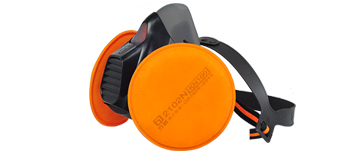
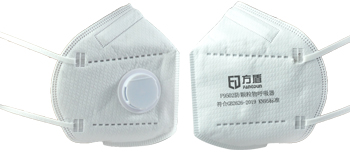
Consumers should prioritize the implementation standard GB 2626-2019 and clear "KN100" level labeling when choosing KN100 masks. It should be noted that KN100 masks are mainly designed for non oily particles. If there are oily particles such as oil fumes and mist in the working environment, KP series masks should be selected. In addition, KN100 masks usually have relatively high filtration resistance, but within the allowable range of standards, high protection level and acceptable respiratory resistance can be achieved simultaneously. Some products further reduce respiratory burden through electrostatic adsorption technology.
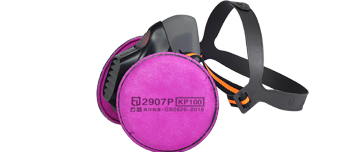
FangdunKN100 protective mask is the last line of defense in highly polluted environments. For occupational exposure groups and sensitive individuals in extreme air pollution events, choosing KN100 means choosing the industry's top level of respiratory protection. The stricter the standards, the more secure the health. The efficiency gap of just over zero percent is the lifeline to stay away from occupational diseases such as pneumoconiosis and bronchitis.