English
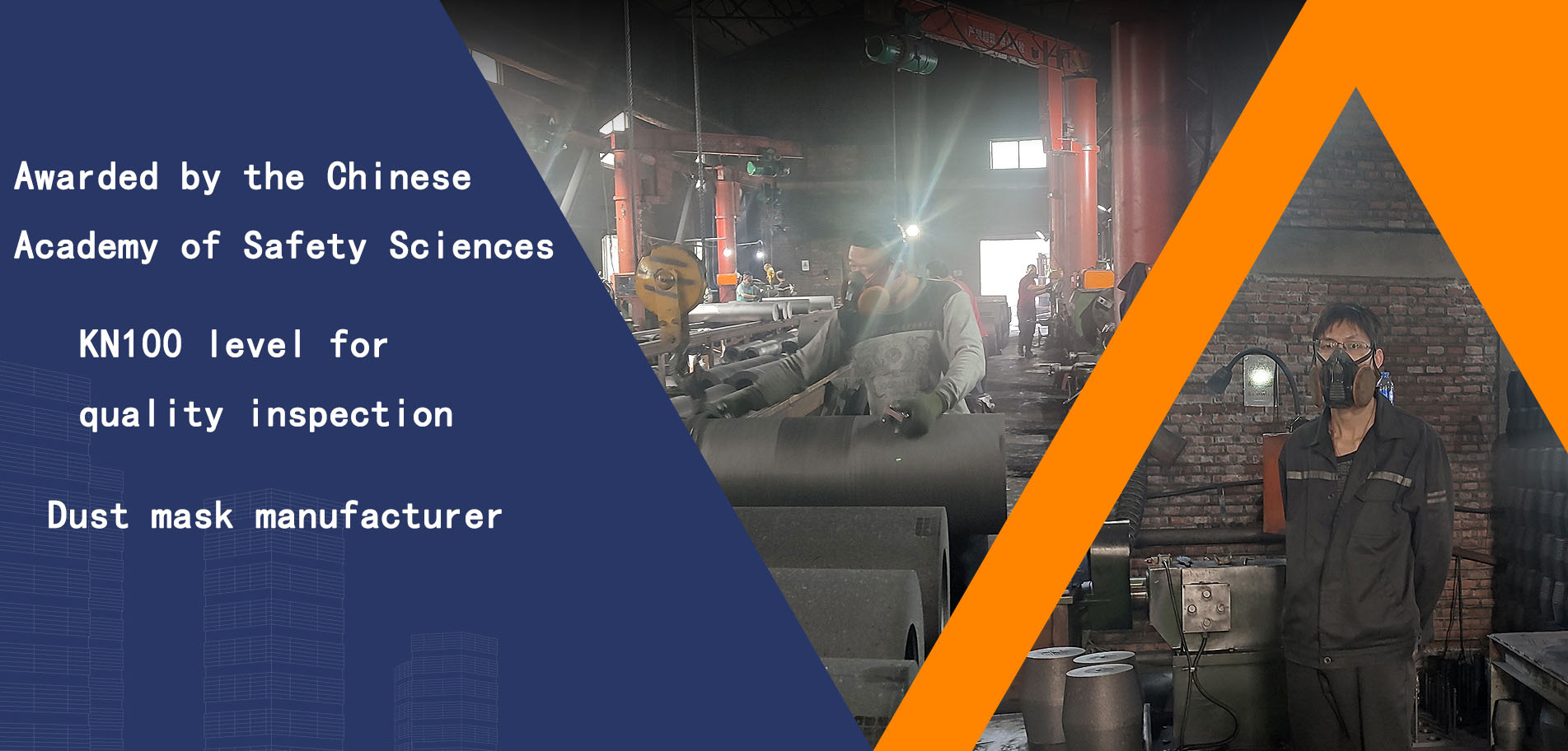
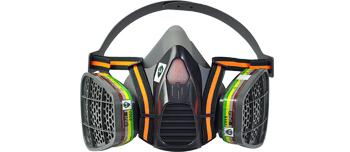
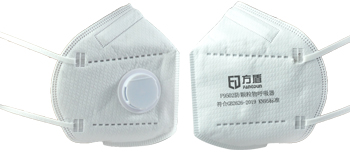
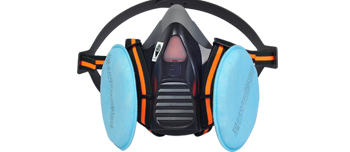
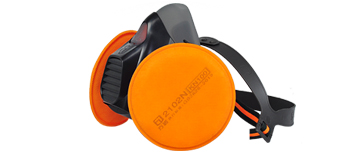
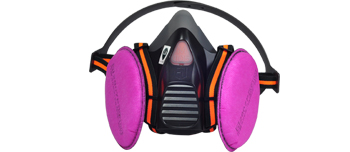
Dust pollution is ubiquitous in daily life and work. Whether it is wood dust generated during decoration, soil particles raised during agricultural operations, or industrial dust in factory workshops, long-term inhalation can cause damage to the respiratory system. Fangdun dust mask, as an effective personal protective equipment, has become an indispensable daily equipment for many people.
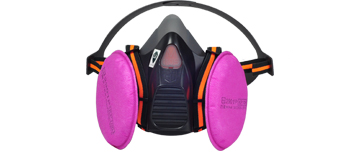
Why do we need dust masks
Suspended particles in the air vary in size, with particles smaller than 10 microns in diameter being able to be inhaled into the respiratory tract, while fine particles smaller than 2.5 microns can reach deep into the lungs. These dust particles not only cause acute reactions such as coughing and asthma, but long-term exposure may also lead to serious diseases such as pneumoconiosis and chronic bronchitis. Wearing a qualified dust mask can effectively filter harmful particles in the air, greatly reducing the risk of inhalation.
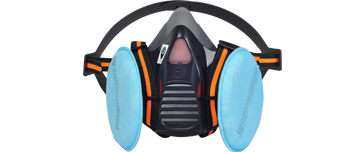
How to choose a suitable dust mask
When choosing a dust mask, the first thing to consider is its filtration efficiency. According to national standards, dust masks are classified into different levels, with higher numbers indicating higher protection levels. The KN95 level mask has a filtration efficiency of over 95% for non oily particles, which is sufficient to cope with most daily dust environments.
Next, we need to consider the degree of fit. The sealing between the face mask and the face directly affects the protective effect, and any air leakage will allow unfiltered air to enter the respiratory tract directly. High quality face masks are usually equipped with adjustable nose clips and various sizes of nose pads to adapt to different face shapes.
In addition, respiratory resistance is also an important indicator. Excessive respiratory resistance can make users feel suffocated, affecting wearing comfort and compliance. A good mask will minimize respiratory resistance while ensuring filtration efficiency.
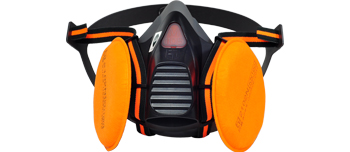
Proper use and maintenance
Before wearing, check if the face mask is intact and ensure that the filter cotton is not damaged. When wearing, shape the nose clip to fit the bridge of the nose and conduct an air tightness test to confirm that there is no air leakage. During use, if you feel a significant increase in respiratory resistance, it indicates that the filter cotton has been clogged with dust and should be replaced in a timely manner. The filter cotton of ordinary dust masks cannot be washed with water, as washing with water will damage the structure of the filter layer and cause protection failure.
Although small, Fangdun dust masks are the first line of defense for protecting respiratory health. Choosing a suitable dust mask for oneself and using it correctly in a dusty environment is the most basic responsibility for one's health.