English
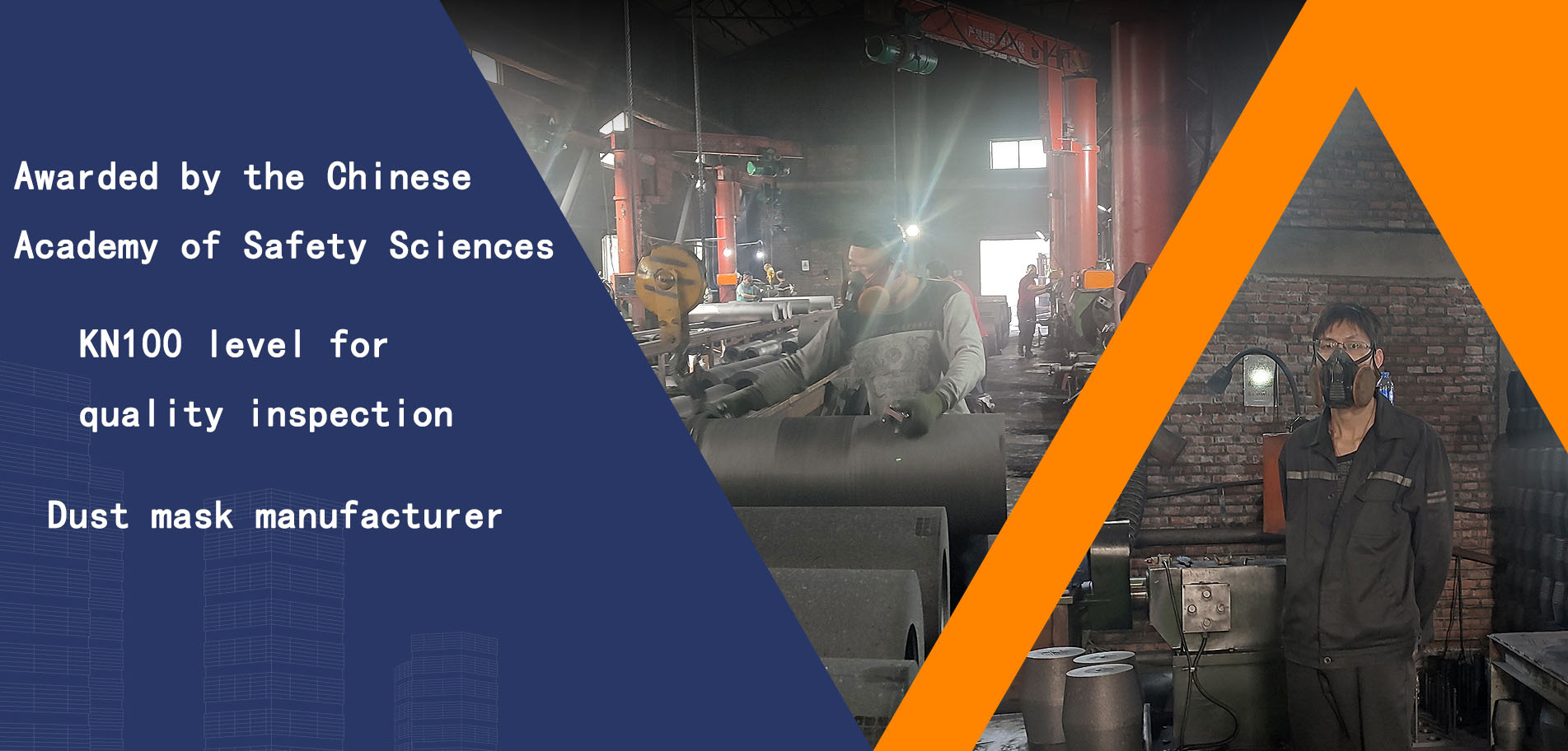
Air pollution and harmful gases are ubiquitous threats in industrial production and daily life. Fangdun mask type gas mask, as a lightweight and effective personal protective equipment, can provide reliable respiratory protection for users in critical moments.
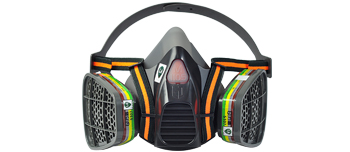
Structural Design: Precision in Lightweight Design
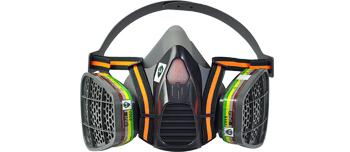
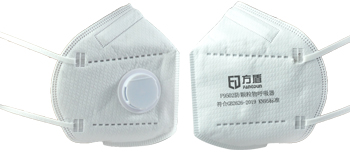
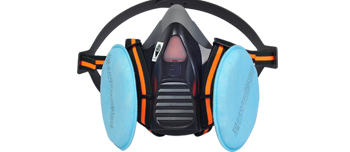
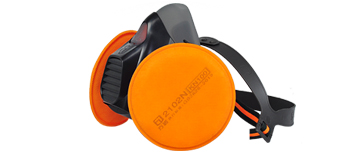
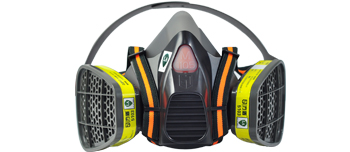
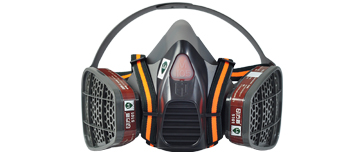
A mask type gas mask usually consists of four parts: the mask body, the filter box, the exhalation valve, and the headband. The main body of the mask is made of soft food grade silicone or rubber material, which fits the contour of the face and ensures sealing. The filter box contains activated carbon and chemical adsorbent, which can effectively filter harmful substances in the air. The design of the exhalation valve ensures the smooth discharge of exhaled gas, avoiding the accumulation of moisture and carbon dioxide inside the mask.
Compared to traditional full face masks, mask style designs are lighter, faster to wear, and have a wider field of view. It mainly covers the mouth and nose area, suitable for work scenarios that require frequent communication or high activity levels.
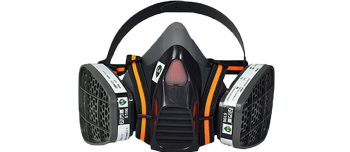
Working principle: Layer by layer filtering
When the user inhales, the air first passes through the filter box. The activated carbon layer adsorbs organic gases and odors, the chemical adsorption layer neutralizes acidic or alkaline harmful gases, and finally the particle filtration layer intercepts dust and aerosols. After undergoing triple purification, the air enters the interior of the mask for the user to inhale. When exhaling, the valve automatically opens and the humid and hot gas is directly discharged to avoid secondary pollution.
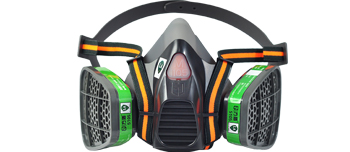
Applicable scenarios
Fangdun mask type gas masks are widely used in occupational environments such as chemical, spray painting, pesticide spraying, laboratory operations, etc. It also plays an important role in civil scenarios such as fire evacuation, decoration protection, and haze weather. It should be noted that ordinary gas masks cannot be used in oxygen deficient environments or extremely high concentrations of toxic gases, which require self oxygenation equipment.
Proper use and maintenance
Before use, check if the face mask is intact and if the filter cartridge is within its expiration date. When wearing, adjust the headband to ensure a tight fit between the mask and the face. After each use, the mask body can be wiped with a damp cloth, and the filter box should be sealed and regularly replaced.
The core value of gas masks lies in "preventing problems before they happen". In the face of invisible pollution, it is a reliable barrier that safeguards the safety of every breath.