English
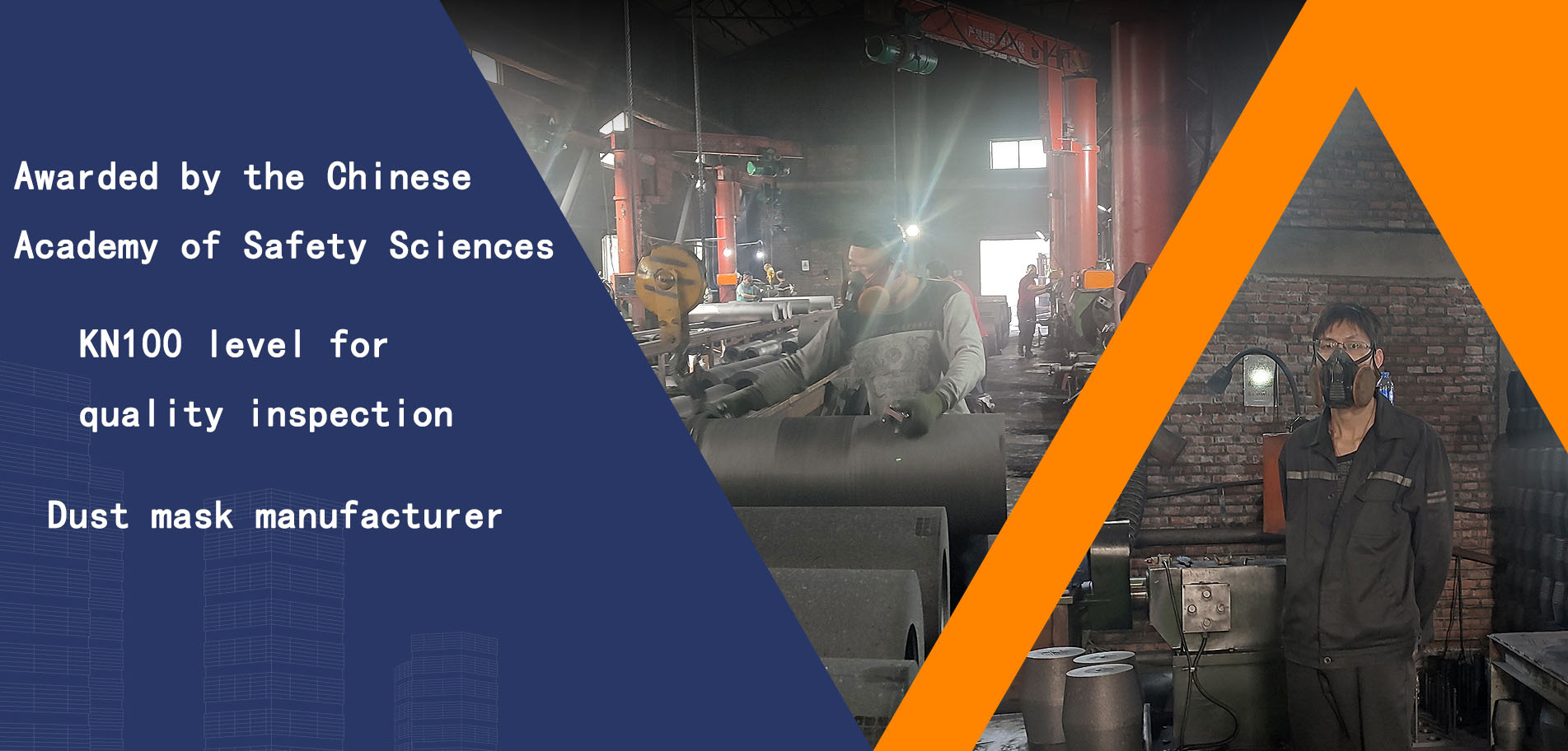
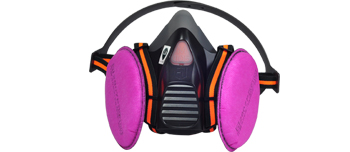
In the production operations of furniture factories, wood dust and harmful chemical gases are the main occupational hazards. Standardizing respiratory protection work is the core key to preventing employees from contracting occupational diseases such as pneumoconiosis and occupational poisoning, and ensuring their occupational health. Each process requires precise selection and standardized wearing of respiratory protective equipment based on the type of work hazard, to eliminate safety hazards such as inadequate protection and incorrect selection of protection.
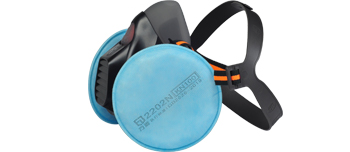
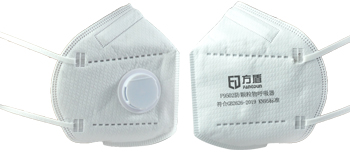
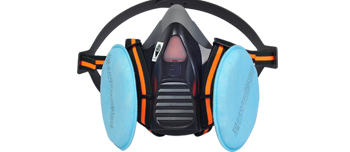
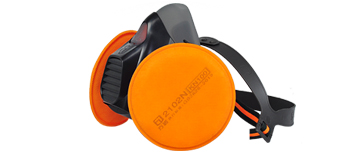
For processes such as sawing, planing, milling, polishing, and dry manual polishing that generate a large amount of wood dust, operators must wear dust protection equipment that meets national mandatory standards. For routine low and medium concentration wood dust work environments, FangdunKN95 level dust masks can be used. The product has a filtration efficiency of ≥ 95%, meets national protection standards, and can effectively block the inhalation of daily wood dust; For high-risk work scenarios such as high concentration dust and long-term continuous polishing, the disposable KN95 mask has insufficient protective ability and needs to be upgraded to use a compound dust-proof half mask with efficient dust-proof filter cotton. In harsh working conditions, an electric air supply respirator can be equipped to comprehensively block the inhalation of wood dust and effectively prevent dust related occupational diseases from a personal protective perspective.
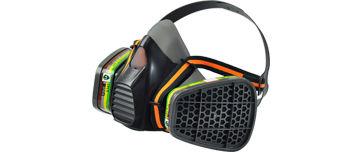
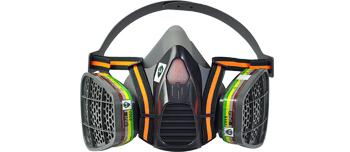
For work processes that come into contact with chemical products such as paint, adhesives, diluents, etc., such as wiping, adjusting, spraying, and gluing, harmful organic vapors such as benzene, toluene, and xylene are easily generated in the work space. It is strictly prohibited to wear ordinary dust masks, and specialized gas masks must be used for work. When choosing a gas mask, the corresponding filter canister should be matched according to the type of toxic substance it comes into contact with. For example, Fangdun should use a specialized type of filter for organic vapors. If there are dual hazards of wood dust and organic harmful gases at the work station, protective equipment with comprehensive dust and toxic filtration function must be selected to resist the invasion of dust and harmful gases.
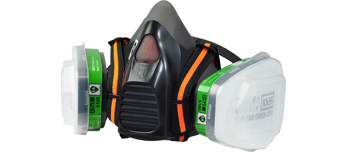
The scientific selection and standardized wearing of respiratory protective equipment is the first line of defense for furniture factories to strengthen employees' occupational health. Enterprises need to strictly implement their main responsibility for safety production, regularly carry out employee occupational health and protection training, on-site safety inspections, standardize the selection, wearing, and replacement process of employee protective equipment, and ensure that all employees achieve "correct selection, secure wearing, and standardized use".
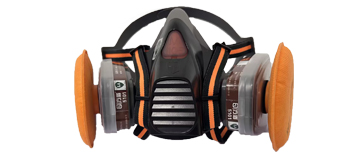
At the same time, enterprises need to adhere to source control and comprehensive prevention and control, continuously optimize production processes, regularly maintain and upgrade engineering facilities such as ventilation, dust removal, and exhaust gas treatment, and closely integrate engineering prevention and control with personal protection. Through standardized management and technical prevention and control, we effectively reduce the occupational health risks caused by wood dust and chemical hazards, create a safe, compliant, and healthy working environment for employees, and ensure the safe production and high-quality sustainable development of the enterprise.