English
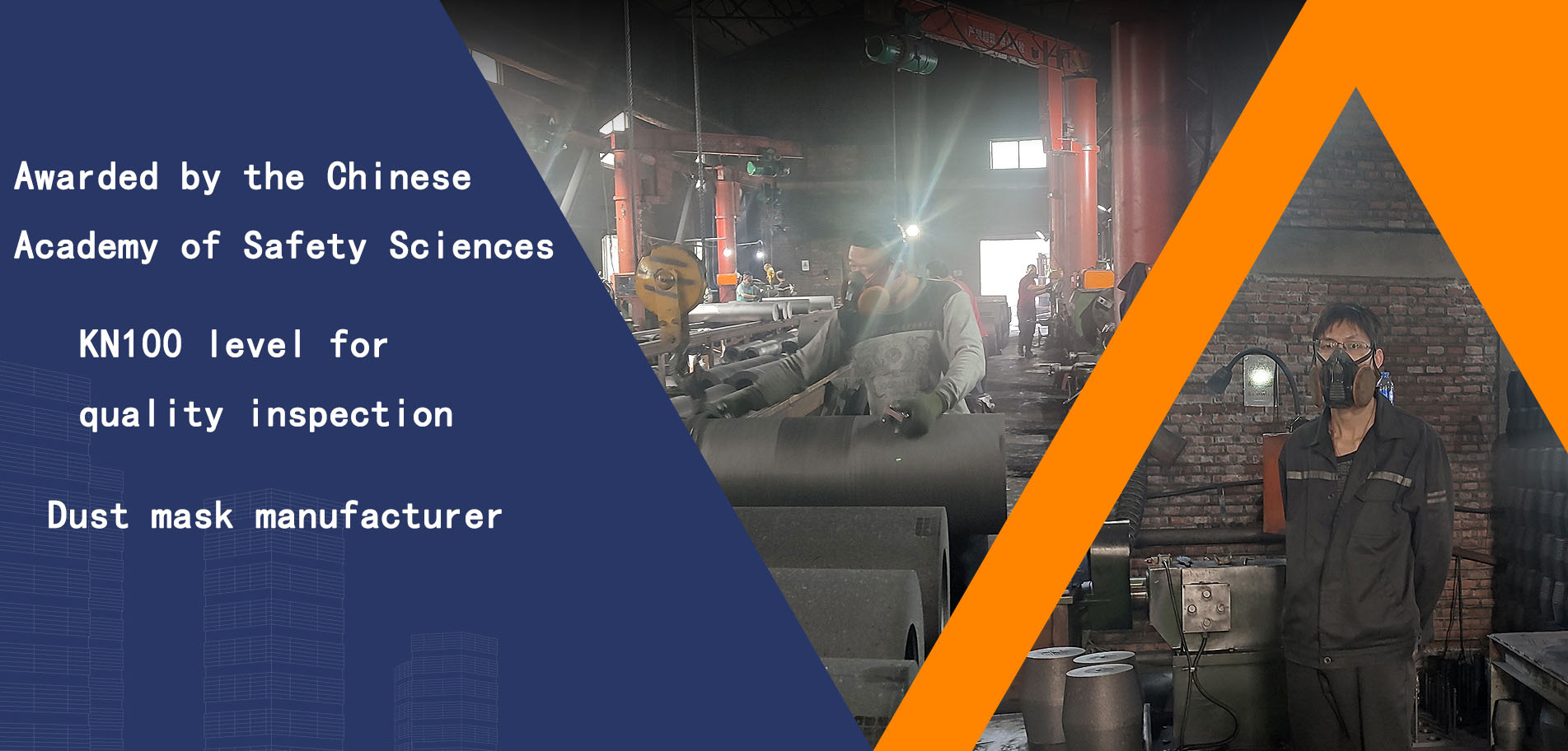
Working in a dusty environment for a long time can easily cause stone powder and dust to be inhaled into the lungs. To reduce injuries, it is necessary to do four things: dust prevention in the workshop, wearing protective equipment, daily habits, and regular physical examinations.
1、 Before starting work, the workshop should prepare for dust prevention by turning on the exhaust and water spraying dust reduction equipment, wetting the ground with water, and reducing fly ash from materials; Ensure air circulation in a sealed workshop. If there is too much dust, immediately stop work and ventilate. Wait for the dust to settle before starting work.

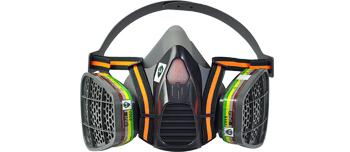
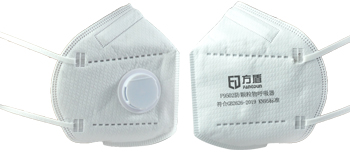
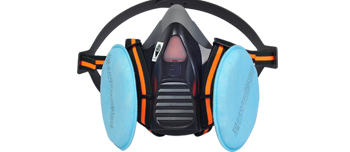
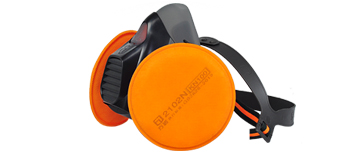
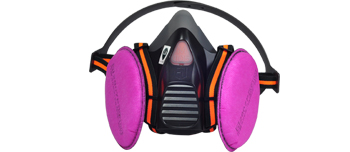
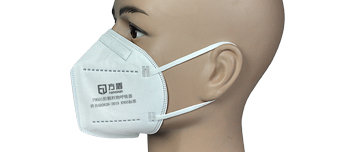
2、 Wear a dust mask to prevent dust leakage. Ordinary cotton yarn masks can only block large particles of dust. It is recommended to use the Fangdun series anti particle respirator, which meets the KN95 national standard. The mask fits the face and can reduce dust leakage from the nose bridge gap. Press the nose clip tightly when wearing, and tuck all long hair into the hat; Replace the mask promptly if it accumulates dust or becomes damp, and do not remove the mask throughout the entire process of work.
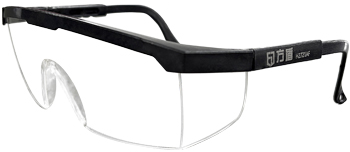
3、 Protect your eyes and skin by wearing sealed goggles to prevent dust from rubbing your eyes red; Wear dust-proof work clothes with closed cuffs, high boots, and tight cuffs and pants to minimize direct contact with dust on the skin. Wash your face and hands with warm water after work to avoid itching and redness of the skin.
4、 Develop dust prevention habits in daily work. Do not smoke or eat in the workshop to prevent dust from entering the food; Handle stone and powder materials with care, and only use a wet mop to clean the floor. Do not dry sweep and remove dust. After work, take a shower, change into clean clothes, and do not bring dust home.
5、 Regular physical examinations, early detection of discomfort, year-round exposure to dust, annual lung function and chest X-ray examinations, and retention of physical examination records. If you frequently cough, feel chest tightness, or have difficulty breathing, go to the hospital in a timely manner and inform the doctor of your long-term exposure to dust.
Dust protection should not be taken lightly. Workshop dust prevention equipment combined with personal protective equipment can significantly reduce the physical harm caused by dust. Remember to regularly inspect ventilation equipment on a daily basis, keep a full set of protective gear such as a square shield, a complete set of face masks and eye protection accessories, and wear and use them more easily. Actively learn dust emergency response methods and turn standardized protection into daily habits.