English
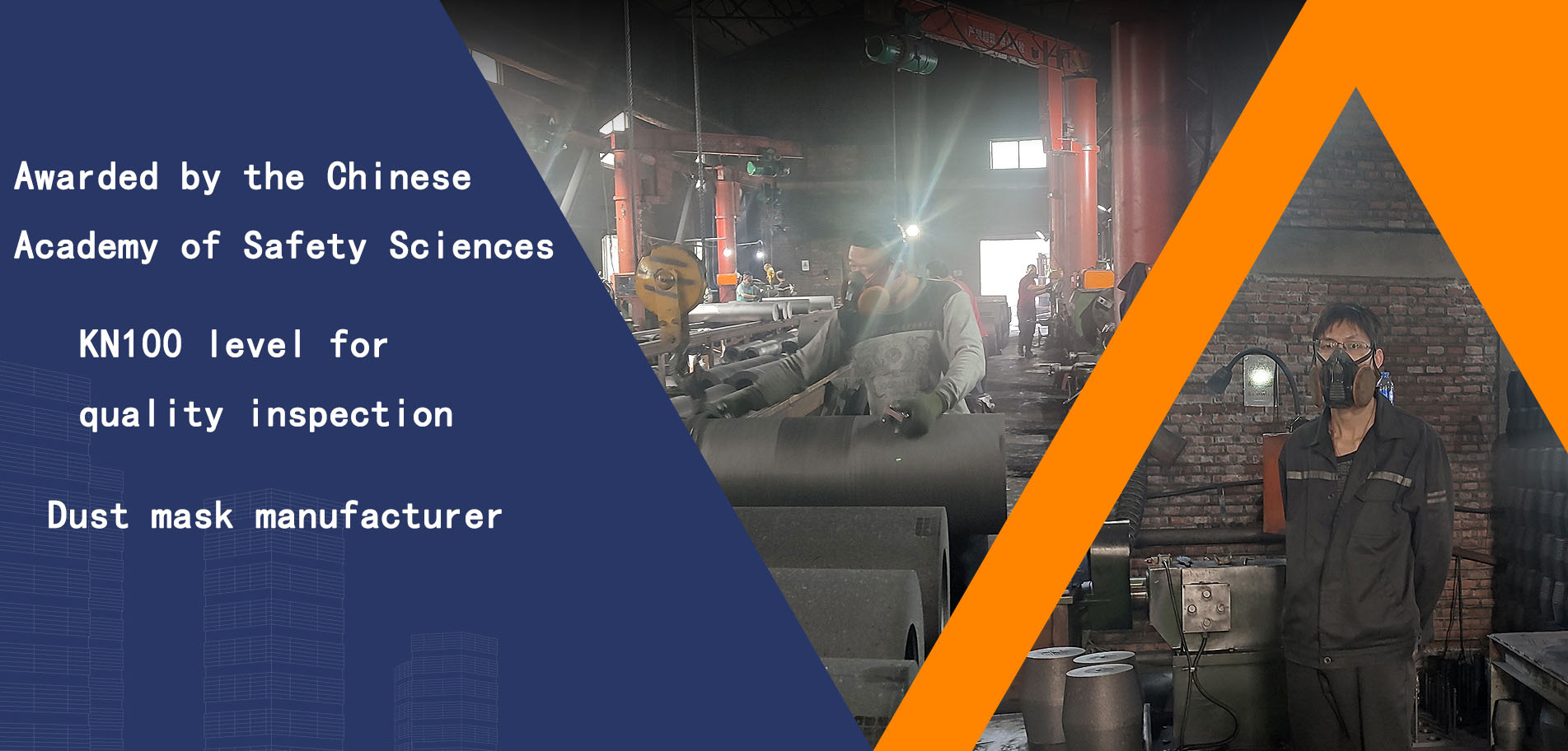
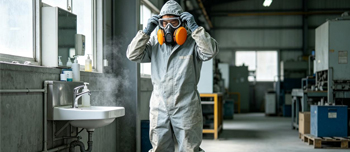
In some industrial and construction operations, fine dust is often not easily detected, but long-term inhalation can pose a risk to the respiratory health of workers. The occurrence of pneumoconiosis usually has a long incubation period, and early symptoms are not obvious, which is easily overlooked. Therefore, personnel working in related positions need to be vigilant and take daily occupational health protection measures.
The following types of job positions are high-risk scenarios for dust exposure:
Mining and tunnel engineering: In coal mining, metal mining, tunnel blasting, and drilling operations, a large amount of coal dust and rock dust are generated.
Stone processing and building materials manufacturing: Especially in the cutting and polishing process of artificial quartz stone, its silicon dioxide content is high, and the generated dust particles are extremely fine, posing a high risk of disease.
Traditional manufacturing industries include sand treatment in foundries, ceramic and glass manufacturing, and sandblasting and rust removal operations on metal surfaces.
Scientific protection is the key to ensuring health in response to the dust hazards associated with the aforementioned positions. Firstly, in terms of engineering protection, wet operations (such as continuous water spraying during cutting) and local ventilation and dust removal equipment should be used as much as possible to reduce the dust concentration in the working environment from the source.
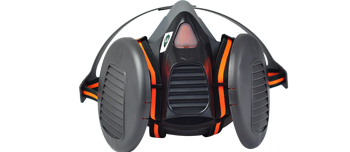
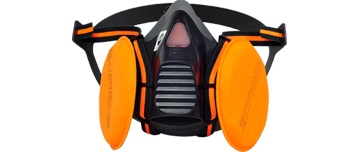
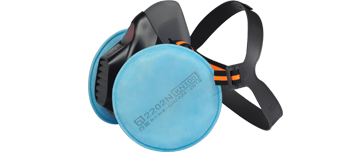
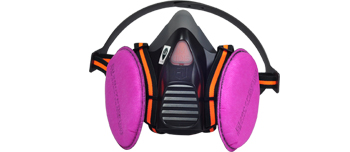
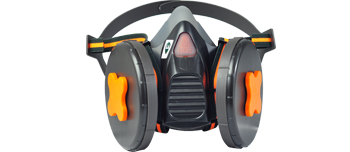
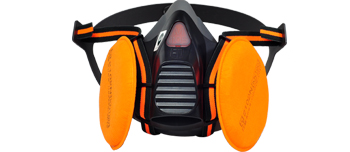
Secondly, it is crucial to standardize the wearing of personal protective equipment. It is recommended to use a particulate matter respirator that meets the GB 2626-2019 standard. For high concentration dust environments, FangdunKN100 level masks have a filtration efficiency of over 99.97% for non oily particles, providing a reliable respiratory protection barrier. At the same time, the sealing degree of the face mask determines the actual protective effect, and a soft and fitting silicone material should be selected, and an air tightness check should be conducted before each wearing. If the work environment is accompanied by odors or organic gases, corresponding filter boxes should also be used.
Finally, regular occupational health monitoring is essential. Workers engaged in dust operations should undergo occupational health examinations before, during, and after work in accordance with regulations, with a focus on lung function and chest imaging indicators. Once symptoms such as persistent coughing, chest tightness, or shortness of breath after activity occur, seek medical attention promptly and leave the dusty environment. By combining scientific protection and regular screening with high-quality protective equipment such as Fangdun and standardized operations, the health risks caused by dust exposure can be effectively reduced.