English
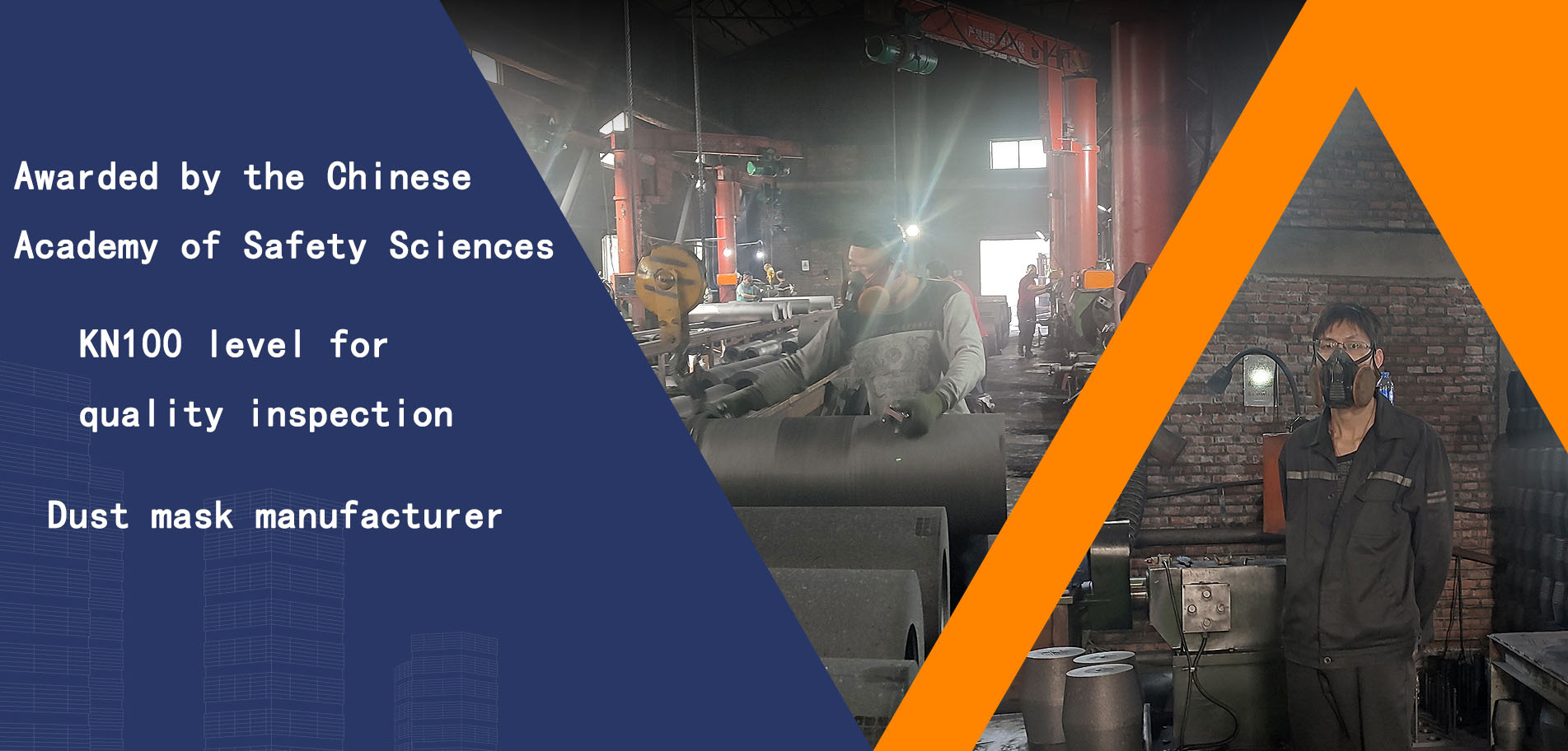
In industrial production and special operations, correctly distinguishing and using dust masks from gas masks is the key to ensuring the respiratory health of workers. Although these two types of equipment have similar appearances, their protection principles and applicable scenarios are completely different, and they must be scientifically selected based on the specific hazardous factors on site.
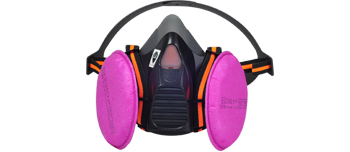
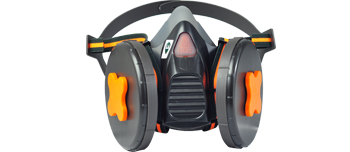
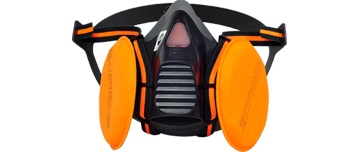
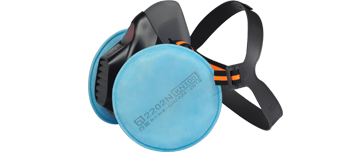
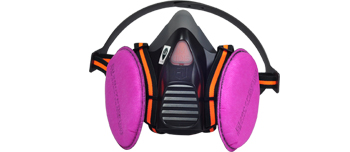
The core function of a dust mask (anti particle respirator) is to filter solid or oily particles in the air. It is suitable for pure dust environments such as coal mining, stone cutting, cement plant operations, metal polishing, and construction. According to national standards, dust masks are divided into KN and KP series. KN series is specifically designed to prevent non oil particles, while KP series takes into account both oil and non oil particles. Among them, FangdunKN100 or KP100 grade products have a filtration efficiency of over 99.97% for particles larger than 0.075 microns, providing a reliable physical barrier for heavy dust operations. It should be emphasized that dust masks have no protective effect against toxic and harmful gases and vapors.
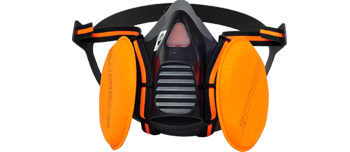
Gas masks (filter type gas masks) are mainly used to protect against toxic and harmful gases or vapors in the air. The core component is a filter box with built-in adsorption materials such as activated carbon, which is suitable for working environments with organic vapors or acidic gases such as spray painting, chemical production, pesticide spraying, ink printing, etc. Different colored filter cartridges correspond to different protective objects, such as brown anti organic gas, yellow anti acidic gas, etc. If there is both dust and toxic gases (such as welding fumes and ozone) at the work site, a dust toxic combination filter element must be used to achieve dual protection.
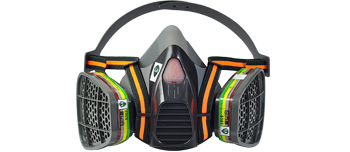
Whether it is dust or gas masks, the prerequisite for their effective operation is that the oxygen concentration in the environment is not less than 18%, and the concentration of harmful gases does not reach a level that immediately threatens life and health. In extreme working conditions such as confined spaces, tank cleaning, or large-scale chemical leaks leading to severe oxygen deficiency or high concentration toxic gas accumulation, the use of any filtering mask is strictly prohibited. It is mandatory to wear a positive pressure air respirator (SCBA) or a long tube respirator, relying on a self-contained air source to provide absolutely safe clean air.
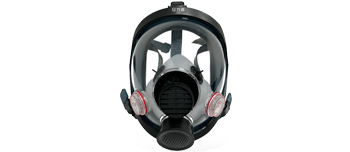
Scientific identification of hazard types, strict matching of protective equipment, and standardized air tightness checks before wearing are the basis for maximizing the effectiveness of respiratory protective equipment. Only by using the right equipment in the right situations can we truly safeguard the safety of workers' lives. When making actual purchases, it is recommended to prioritize professional protective equipment from reputable brands such as Fangdun to ensure that the adsorption performance of the filter cartridge and the filtration efficiency of the filter cotton meet national standards. At the same time, it is important to regularly replace consumables to avoid safety hazards caused by ineffective protection.