English
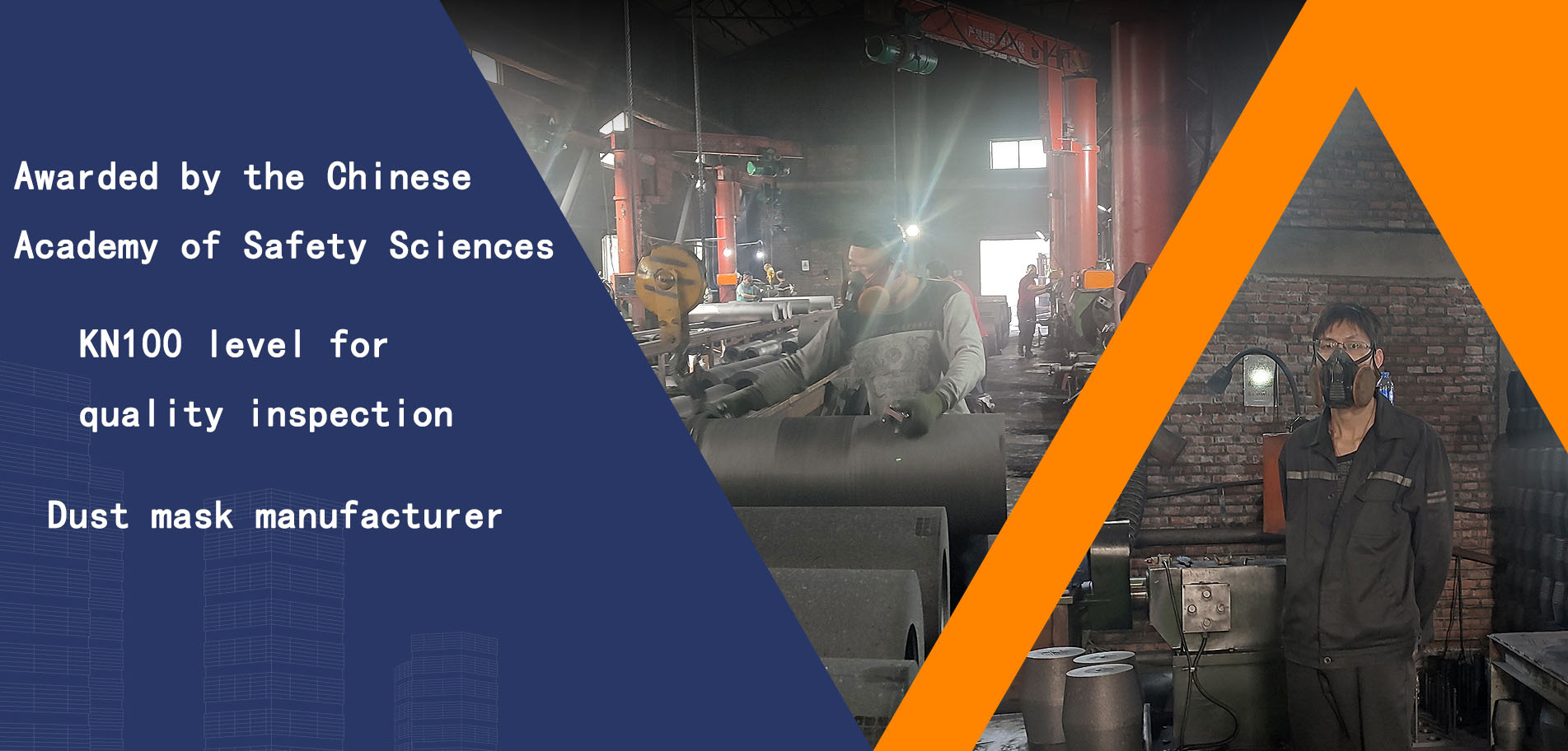
Coal dust, rock dust and other dust concentrations are high in the underground working environment. Choosing a suitable dust mask is the foundation for ensuring respiratory health. The following outlines the key points for purchasing from several core dimensions.
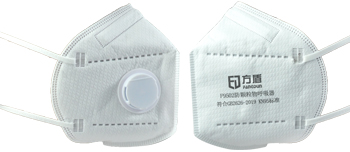
Check the protection level: match the dust concentration in the working environment
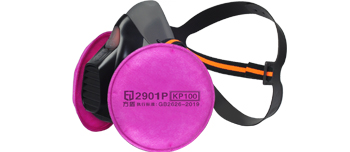
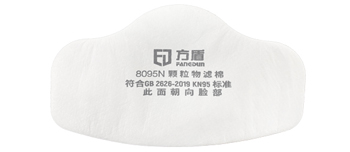
China's respiratory protection standards classify particulate matter masks into three levels: KN90, KN95, and KN100, with filtration efficiencies of not less than 90%, 95%, and 99.97%, respectively. Coal mine dust belongs to non oily particulate matter, and KN type masks should be selected. It is recommended to use KN100 grade (filtration efficiency ≥ 99.97%) for high dust positions such as excavation and blasting; Generally, low concentration auxiliary positions should reach at least KN95 level.
It should be noted that 90, 95, and 100 marked on the mask represent filtration efficiency, and the larger the number, the stronger the protective ability. The product packaging should be printed with the national standard logo "GB 2626-2019" and the LA special labor protection equipment safety logo.
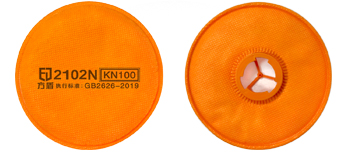
Check the fit: sealing determines the actual protective effect
No matter how high the filtration efficiency is, if there is a gap between the mask and the face, dust may still enter the respiratory tract. When choosing, priority should be given to products with adjustable nose clips to ensure a tight fit at the nose bridge. Headwear is usually more stable than ear hanging and suitable for high-intensity underground operations. After wearing, a tightness check should be performed - cover the mask with both hands and exhale, feeling if there is any air leakage at the edges.
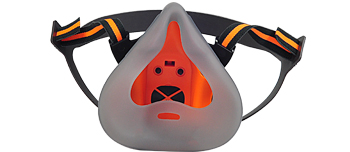
Check Comfort: Pay Attention to Respiratory Resistance and Materials
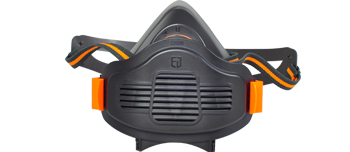
Miners have high labor intensity, and the respiratory resistance of masks directly affects the durability of wearing them. The national standard stipulates that the suction resistance should not exceed 350 Pa, and the lower the value, the more comfortable it is. A mask with an exhalation valve can help expel humid and hot gases and reduce stuffiness. It is recommended to choose liquid silicone material for the mask body, which is soft and skin friendly, suitable for long-term wear.
Pay attention to usage and replacement
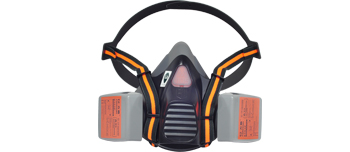
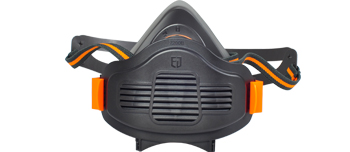
Dust masks are divided into two types: disposable and replaceable filter cotton. The replaceable half face mask has good sealing performance, the filter cotton can be replaced separately, and the long-term use cost is relatively low. When there is a significant increase in respiratory resistance, a damaged or damp mask, it should be replaced in a timely manner. The filter cotton cannot be washed with water, as washing with water will damage the electrostatic adsorption layer of the filter material.
In summary, the key to choosing the right dust mask is to identify the GB 2626-2019 standard, select the corresponding protection level based on dust concentration, ensure a tight fit on the face, and pay attention to respiratory resistance and wearing comfort.