English
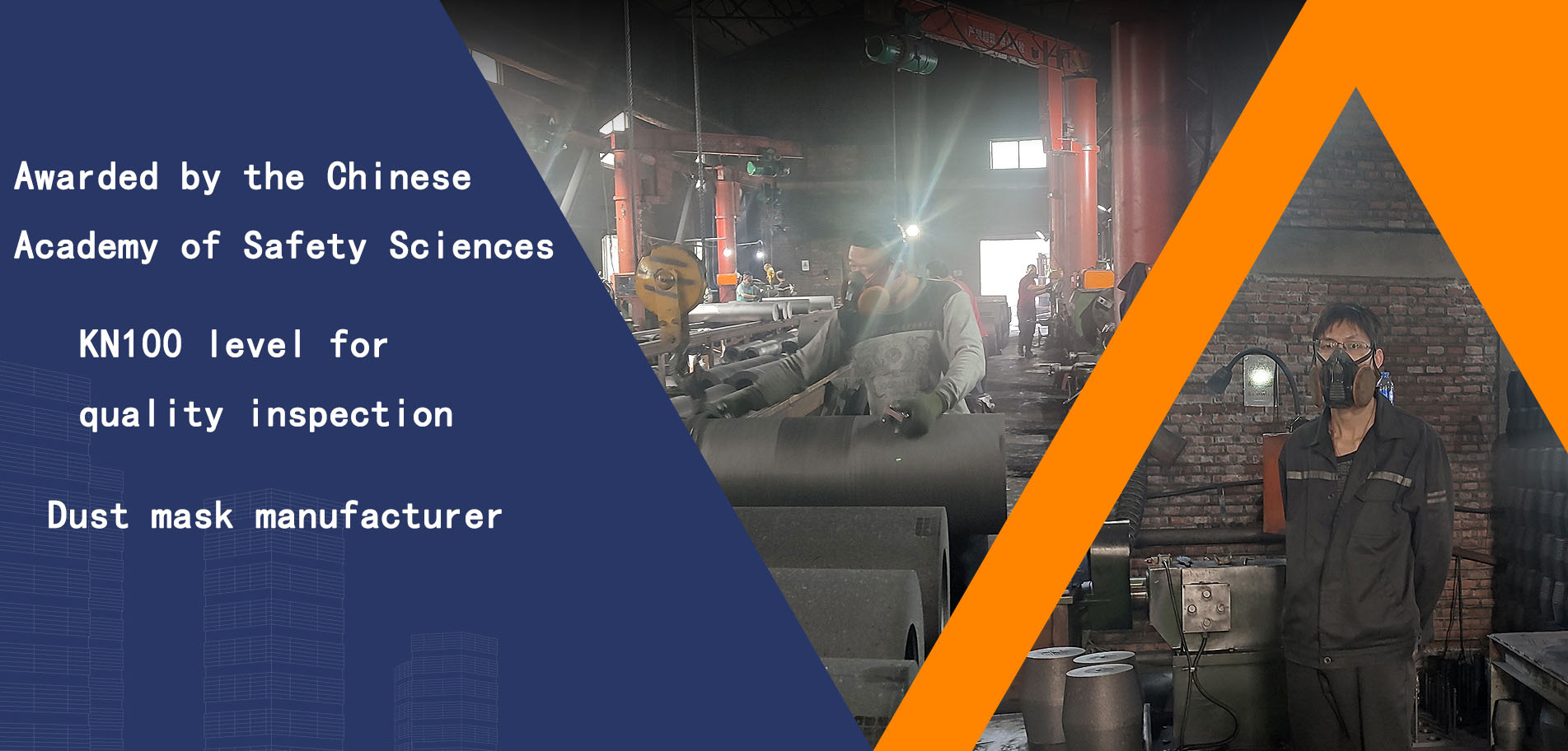
The grinding, calcination, and packaging of raw materials in cement production can generate dust, commonly including limestone powder, clay powder, cement clinker powder, gypsum powder, etc. Many of them belong to respiratory dust, with small particles that can reach the lower respiratory tract and alveolar area with respiration and deposit. Long term inhalation may affect lung tissue and lung function. Early symptoms may include coughing, excessive phlegm, chest tightness, and shortness of breath. As the situation progresses, breathing difficulties and fatigue may also occur, affecting daily work and life.
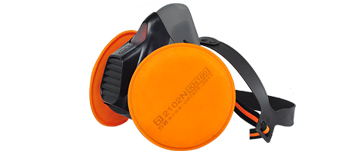
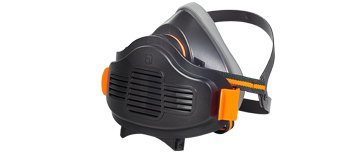
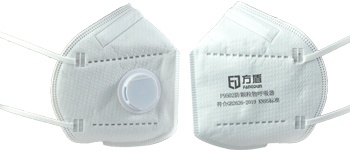
The function of a mask is to filter out dust particles in the air and reduce their entry into the respiratory tract. Qualified masks can intercept dust of different particle sizes through physical means. Proper wearing of masks by cement plant operators helps to add a filtering barrier to the respiratory system, which is an important link in preventing occupational health issues such as pneumoconiosis.
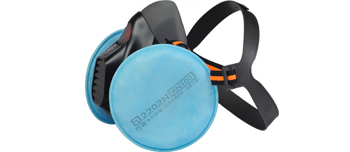
When choosing a mask, it is necessary to consider the dust concentration of the position. For positions with high dust concentration, it is advisable to choose masks with higher protection levels and the ability to filter small respiratory dust. Simultaneously considering comfort: When worn for a long time, masks with soft materials and good breathability are more conducive to consistent use, reducing discomfort such as stuffiness. When wearing, pay attention to fitting closely with the face to reduce edge air leakage.
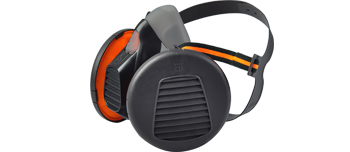
Reusable masks should be cleaned promptly according to the instructions after use. It can be cleaned and wiped with warm water or wet wipes, washed and dried for later use. Do not rub vigorously during cleaning to avoid damaging the filter layer. If the mask is deformed or leaking, the resistance increases significantly when worn, and there is an odor or contamination, it is recommended to replace it in a timely manner. Disposable masks are recommended to be replaced daily; Reusable masks can be replaced regularly according to their frequency of use and degree of contamination.
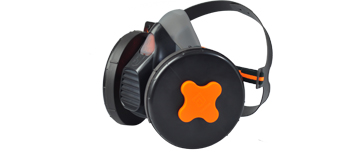
Respiratory health and workplace safety are equally important. Operators should understand the key points of dust protection, choose masks according to job requirements, wear them correctly, and clean and replace them properly, which can help reduce dust exposure and maintain their own health.