English
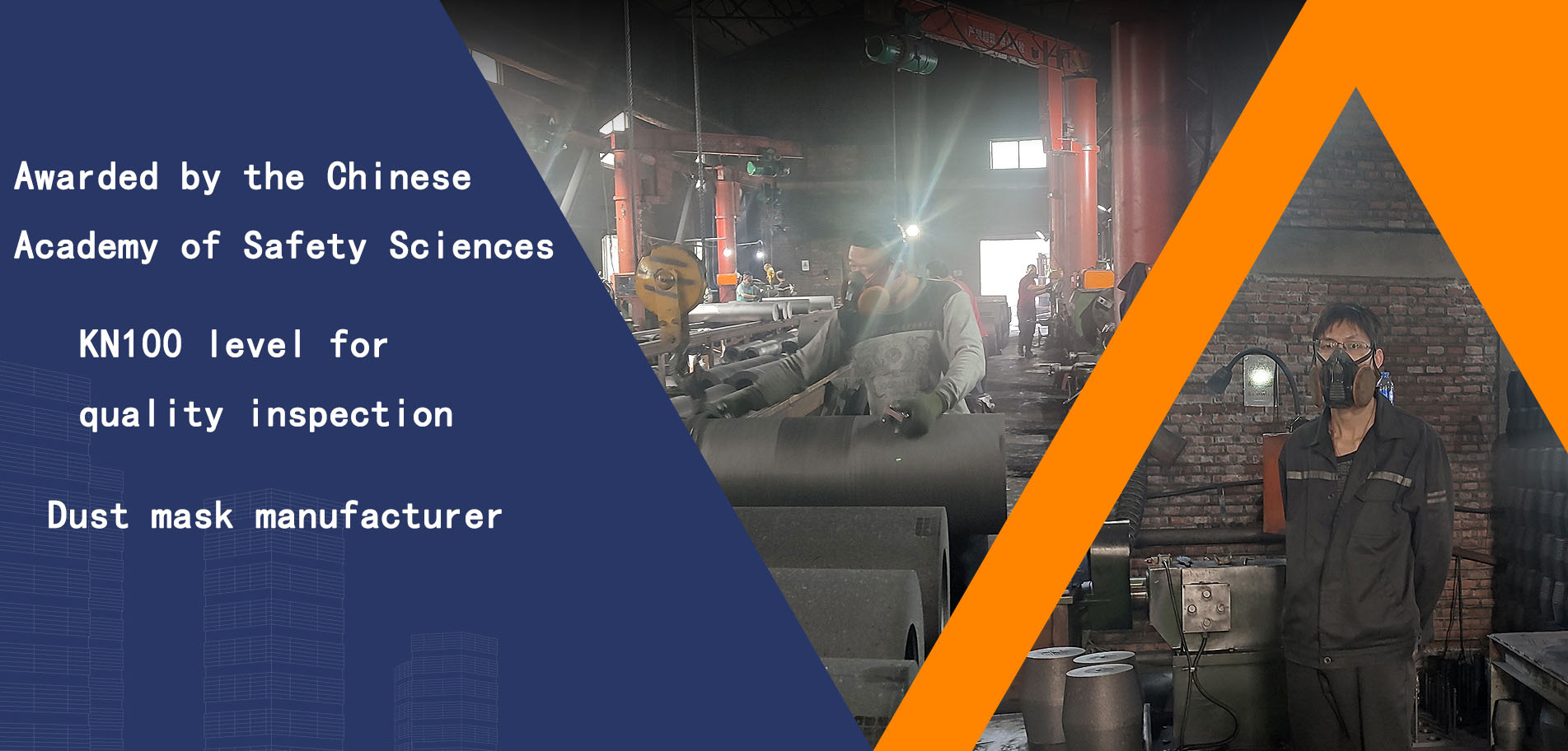
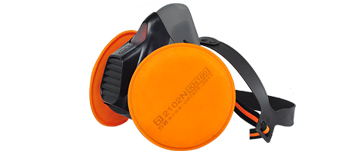
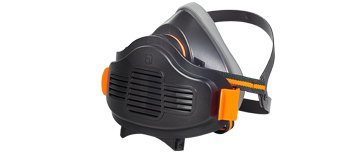
In the quartz sand workshop, the protective effectiveness of dust masks is directly related to their wearing standards. There is a saying in the industry that "three parts rely on selection, seven parts rely on wearing". If not worn properly, even the highest quality face mask cannot provide protection. Taking Fangdun half face mask as an example, standardized wearing requires following the four steps of "pre adjustment, wearing, adjustment, and testing".
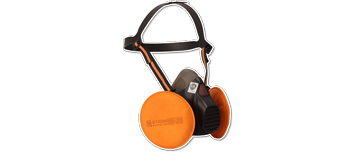
In the pre adjustment stage, it is necessary to first relax the headband to its maximum length, allowing the mask body to present a natural curvature, which facilitates subsequent fitting to the face. When wearing, the mask should be inserted upwards from the lower jaw to ensure that the chin is completely wrapped in the cup-shaped structure of the mask, while keeping the metal strip of the nose bridge tightly attached to both sides of the nose bridge. Then tighten the neck and head straps one by one, with a force that fits comfortably and avoids excessive compression.
The adjustment process requires both hands to press the metal nose clip from both sides towards the center, shaping it to fit the contour of the nose bridge. One handed pinching can easily create a leak area on one side of the nose bridge, which requires special attention. At the same time, ensure that the edge of the mask is in full contact with the facial skin, without any hair, beard, or clothing fibers getting caught. Related tests have shown that facial hair may increase the leakage rate, so it is necessary to clean the face before wearing.
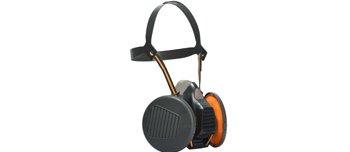
Airtightness inspection is a key step in verifying the effectiveness of wearing. Common negative pressure leak detection method: tightly block the air inlet of the face mask with your palm and gently inhale deeply. If the mask can collapse inward and tightly adhere to the face without any air leakage sound, it indicates good air tightness. If you feel airflow entering from the nose bridge, jaw, or cheeks, you need to readjust the headband or nose clip and test again until it passes.
In actual homework, attention should also be paid to dynamic airtightness. The labor intensity in the quartz sand workshop is relatively high, and dynamic factors such as facial muscle movement, head twisting, and sweating during workers' handling and polishing may affect the sealing effect. Therefore, after completing the static test, the head should be rotated, lowered, raised, and simulated to repeat negative pressure leak detection to ensure that the seal is still maintained during movement.
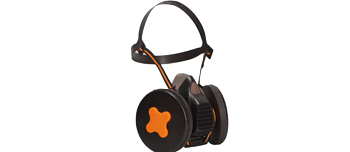
In addition, it is necessary to clarify the usage boundary: dust masks do not have oxygen supply function and are strictly prohibited from being used in oxygen deficient environments or when harmful gas concentrations immediately threaten life or health. If the dust concentration is high, the half face mask may not provide sufficient protection and needs to be upgraded to an electric air supply full face mask or positive pressure respirator.
Standardizing the wearing of dust masks is an important measure to ensure occupational health. Enterprises should implement training on wearing methods to each team, solidify air tightness checks as a mandatory action before starting work, and reduce occupational health risks from the source.