English
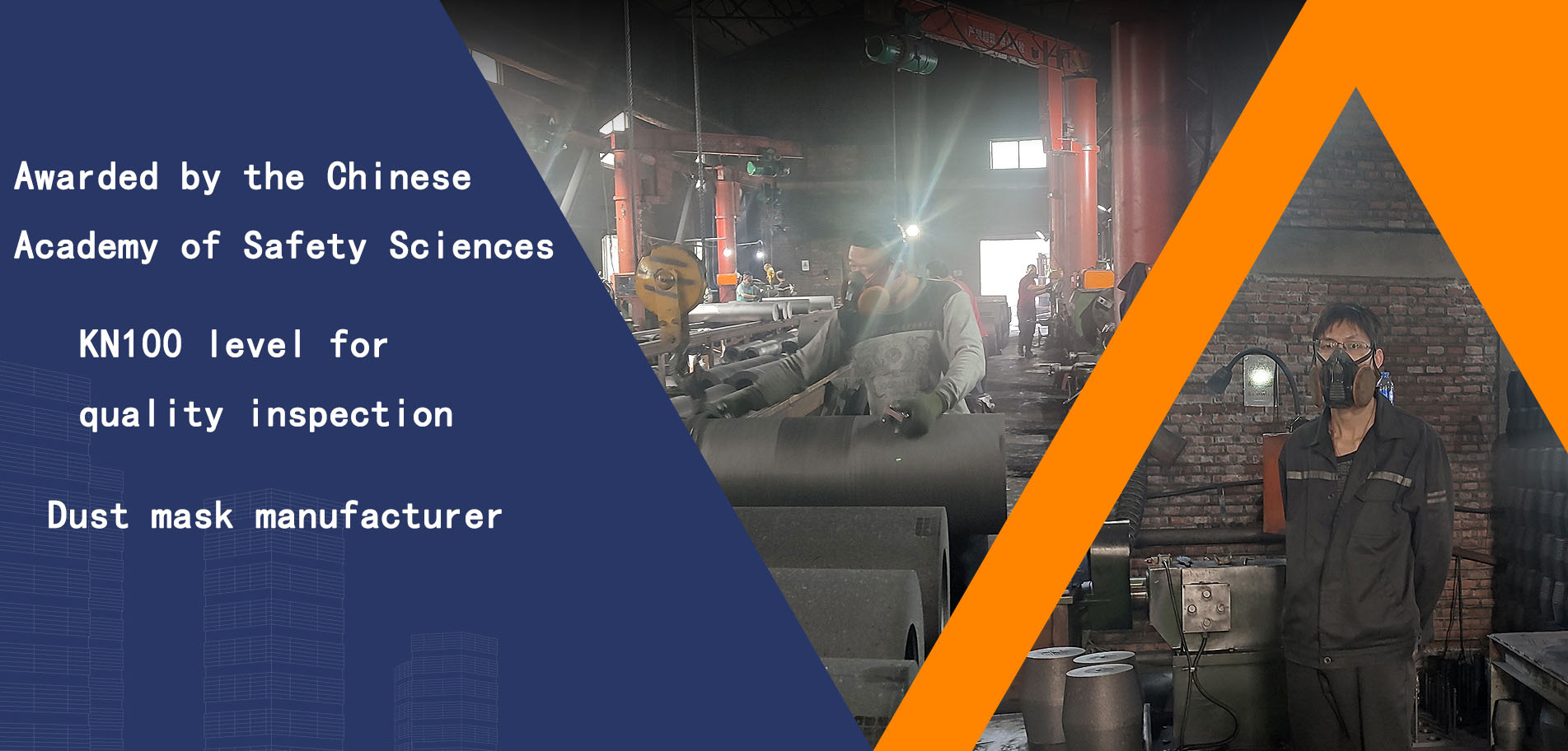
The crushing, screening, and grinding of silica sand can generate silica dust, and long-term exposure can increase occupational health risks such as silicosis. Choosing compliant and adaptable Fangdun dust masks can help reduce dust inhalation.
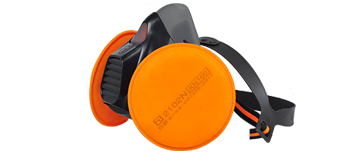
Silica sand dust belongs to non oily particulate matter, and the concentration at the work site may be relatively high. It is recommended to prioritize the KN100 level when selecting. FangdunKN100 dust mask is produced according to GB2626-2019 standard, with a filtration efficiency of over 99.97% for 0.075 micron non oily particles. The filtration efficiency of KN90 and KN95 is relatively limited, and the KP series focuses on oily particles. The sealing performance of medical masks and cotton yarn masks is usually insufficient, and it is not recommended to use them as the main force for silica sand dust prevention.
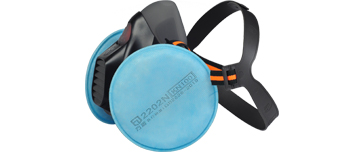
Compliance verification is the foundation. The product body or packaging should be clearly labeled with GB2626-2019 and KN100; You can view the testing report of the National Labor Protection Equipment Quality Supervision and Inspection Center and the LA Labor Safety Certification Mark. Products with missing or unclear labeling are not recommended for selection.
Practical design affects the effectiveness of protection. It is recommended to choose masks with adjustable nose clips and elastic headbands. After wearing it, cover the mask with your hands and exhale, observing for any air leaks. The respiratory resistance should comply with the national standard of ≤ 250Pa, and it is easier to wear when the value is lower. The style with exhalation valve can reduce the accumulation of facial dampness and heat, and the filter material has moisture resistance and is more suitable for long-term operation.
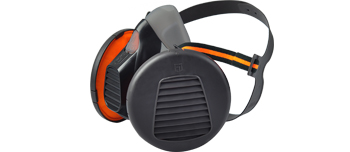
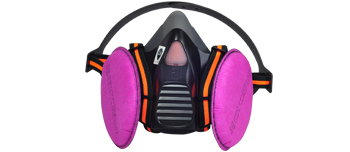
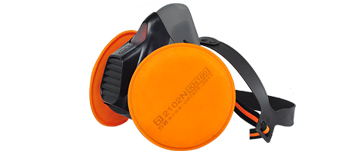
Scenario adaptation: Optional lightweight disposable KN100 half face mask for regular work sections; For high concentration sections such as crushing and screening, a half face mask with replaceable filter cotton can be selected; When there is a risk of splashing, use a full face cover; Long term assignments can be designed with low respiratory resistance and cooling valves.
Avoiding misconceptions: KN95 should not replace KN100; The activated carbon layer does not improve the filtration efficiency of silicon dust; Price does not equal adaptation. Check the sealing of each shift and replace it promptly if there is damage, deformation, or increased respiratory resistance. Accumulated use in high dust environments should not exceed 8 hours, and should be properly disposed of after use. It is not recommended to wash with water and reuse.
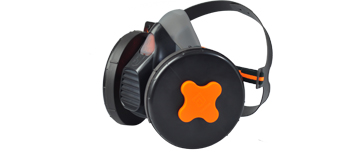
Dust masks provide verifiable respiratory protection options for silica sand operations based on protection level, compliance labeling, tightness, and comfort.