English
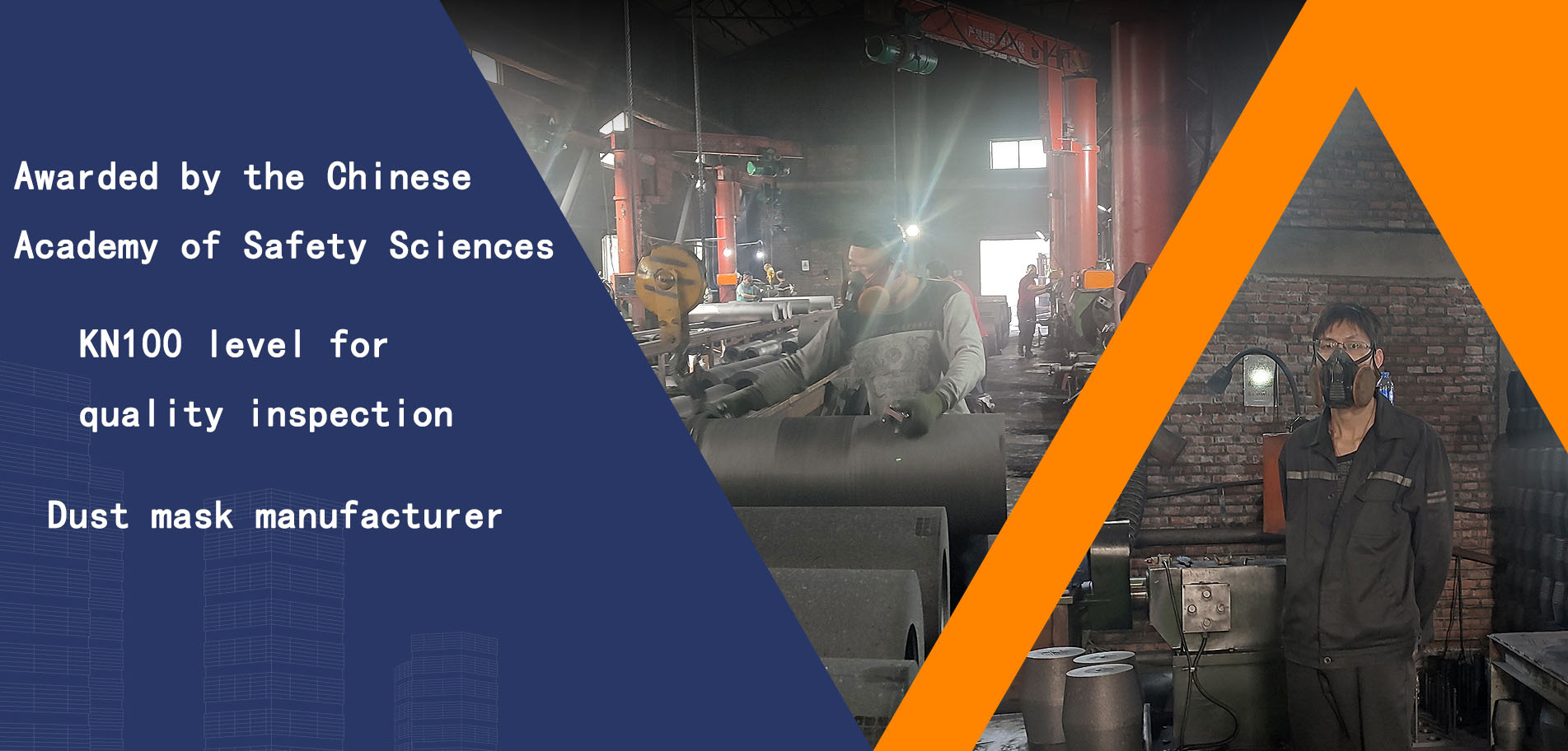
The crushing, screening, and grinding processes in silica sand operations generate a large amount of silica dust, which has small particle sizes and is easily inhaled into the lungs. Long term exposure to such dust can easily lead to irreversible occupational diseases such as silicosis.
Choosing dust masks that comply with regulations and are suitable is the key to ensuring the respiratory safety of workers. Based on the characteristics of silica sand dust and industrial dust protection standards, the following are specific selection points that balance practicality and scientificity.
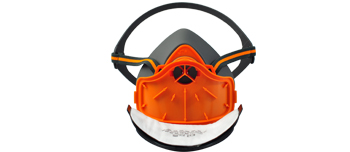
Silica sand dust is a typical non oily particulate matter, and the dust concentration in the working environment is usually high. Ordinary protective level masks are difficult to meet the demand, and KN100 masks are the key choice. This level of mask is produced according to the GB 2626-2019 standard, with a filtration efficiency of over 99.97% for non oily particles of 0.075 microns, which can effectively block the intrusion of silica dust to the greatest extent possible.
It is necessary to avoid misunderstandings in terms of protection level. KN90 and KN95 masks have insufficient filtration efficiency, and the KP series is mainly used to protect against oily particles, which are not applicable; Medical masks and cotton yarn masks have poor adhesion and cannot be used as dust masks.
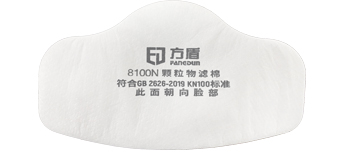
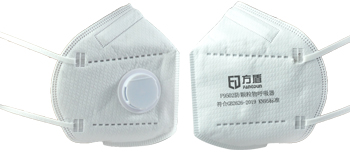
Compliance is the foundation of protection, and when selecting, it is important to focus on verifying certification information. The product body or packaging must clearly indicate the GB2626-2019 execution standard and KN100 protection level, both of which are indispensable. At the same time, it is necessary to check whether the product has the testing report of the National Labor Protection Equipment Quality Supervision and Inspection Center and the LA Labor Safety Certification mark.
For products without relevant labels or unclear expressions, they should be directly excluded to prevent protection failure caused by the use of inferior products. The performance of practical design of masks directly affects the protective effect and wearing experience. In terms of sealing, it is recommended to prioritize selecting styles with adjustable nose clips and elastic headbands.
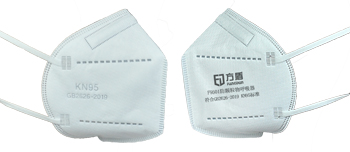
After putting on the mask, cover it with your hands and exhale. If there is no air leakage, it indicates that the sealing meets the standard. The respiratory resistance should meet the national standard of ≤ 250Pa. The lower the value, the easier it is to wear, which can avoid workers taking off their masks without authorization due to suffocation. In terms of durability, it is recommended to choose a style with an exhalation valve, which can reduce the accumulation of facial dampness and heat.
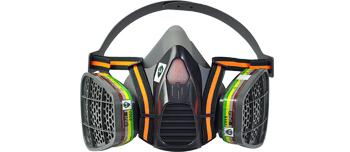
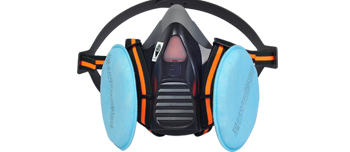
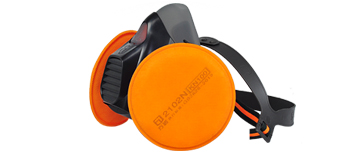
The filter material needs to have moisture resistance to meet the requirements of long-term operation. It is necessary to adapt the type of mask according to the homework scenario. In the conventional section, a lightweight disposable KN100 half face mask can be selected; In high concentration sections such as crushing and screening, it is recommended to use a half face mask with replaceable filter cotton. If there is a risk of splashing, a full face mask should be used; When working for extended periods of time, it is necessary to choose a style with low respiratory resistance and cooling valve design to reduce wear fatigue.
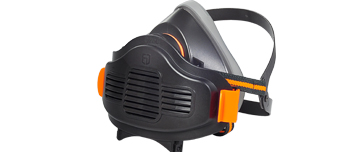
In addition, common misconceptions should be avoided. Do not think that KN95 can replace KN100, nor do you think that masks with activated carbon have better protective effects. At the same time, do not blindly pursue high priced masks.
During the homework process, each shift should check the sealing of the mask. If the mask is damaged, deformed, or has increased respiratory resistance, it should be replaced immediately. In high dust environments, the cumulative usage time of masks should not exceed 8 hours. After use, the mask should be properly discarded and not washed with water before reuse to ensure that the protective effect is not affected.