English
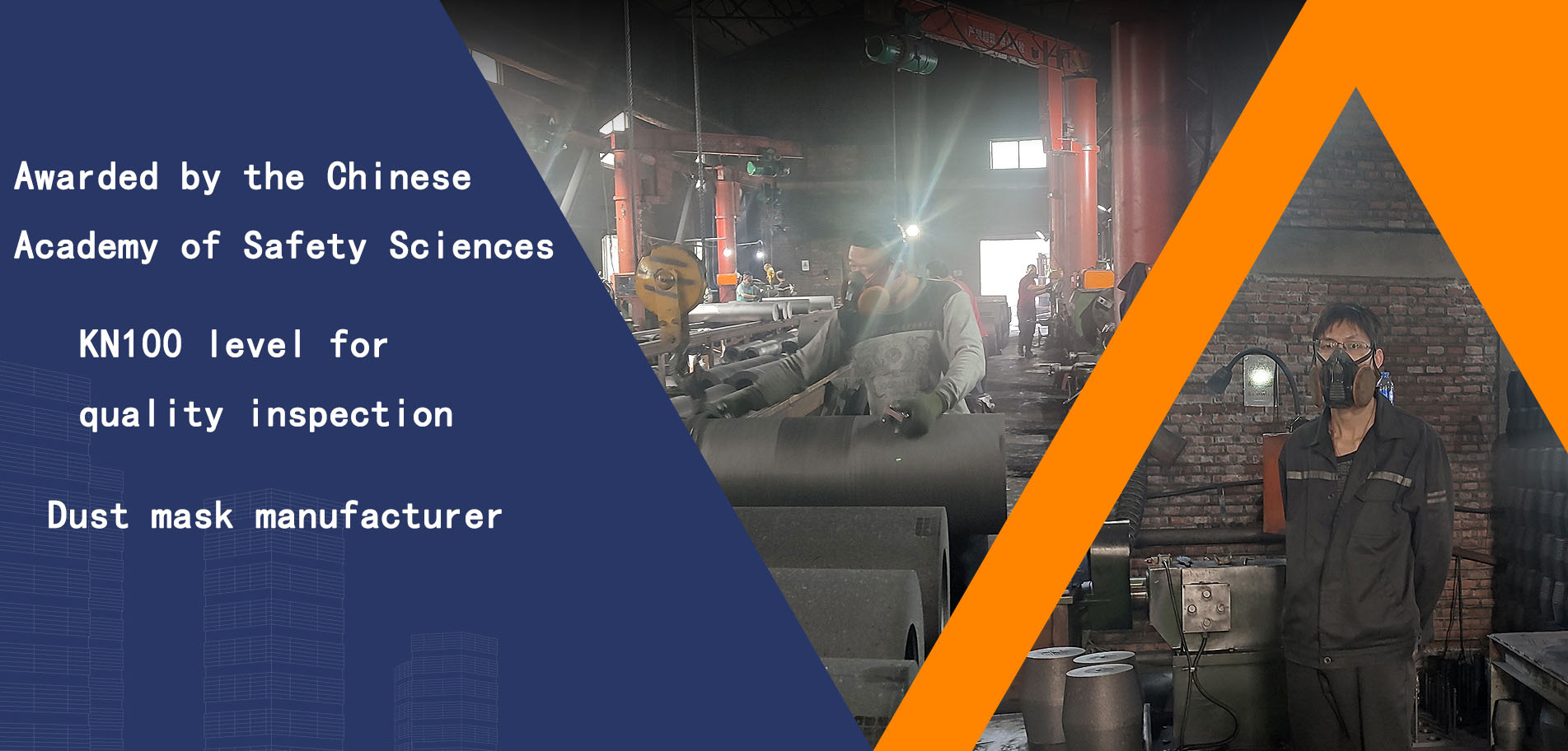
The mining and tunnel excavation work environment is special, and blasting, drilling, excavation and other processes will produce a large amount of dust, toxic and harmful gases. These substances are "invisible killers" that threaten the respiratory health of construction workers. According to statistics, there are over 10000 new cases of occupational pneumoconiosis in China every year, of which silicosis accounts for more than half, mostly related to inadequate respiratory protection during mining and tunnel construction.
Therefore, mastering scientific knowledge of respiratory protection and using protective equipment in a standardized manner is an essential skill for every construction worker and an important defense line to ensure life and health. The respiratory hazards in the construction environment are mainly divided into two categories and require special attention.
One type is dust hazard, especially silica dust containing more than 10% free silica, with particle diameter less than 5 microns, which can break through the nasal defense and directly invade the pulmonary alveoli, causing pulmonary fibrosis and leading to pneumoconiosis. Early symptoms include coughing and sputum production, and later breathing difficulties gradually occur, and the condition is irreversible.
The other type is toxic and harmful gases, including carbon monoxide and nitrogen oxides produced by blasting and equipment operation, hydrogen sulfide and methane released from geological formations. These gases may have strong irritants, or are flammable, explosive, and highly toxic. Inhalation can cause serious consequences such as poisoning and suffocation.
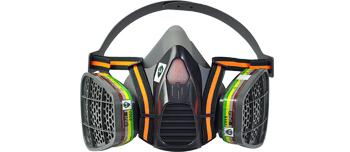
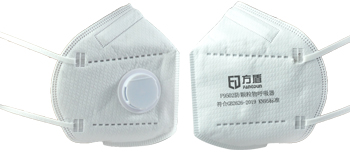
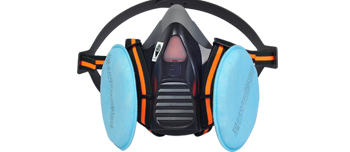
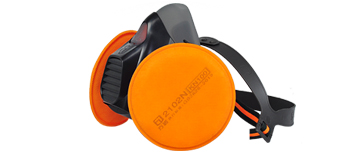
In mining and tunnel construction, masks are the most basic and commonly used respiratory protective equipment, mainly used to resist dust hazards. The standardization of their selection, wearing, and maintenance directly determines the effectiveness of protection. When selecting, it is necessary to strictly follow national standards and scientifically select based on the concentration of operating dust.
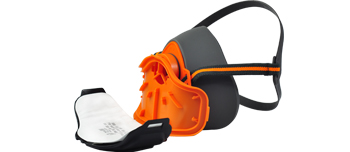
For low concentration dust environments, Fangdun KN95 and above level dust masks can be used. These masks can effectively filter over 95% of non oily particles in the air, meeting the needs of daily drilling, cleaning, and other light dust operations; For environments with high concentrations of dust and ultrafine dust (such as silica dust), KN99 or KN100 dust masks should be used. These masks have higher filtration efficiency and can better block small dust particles from entering the respiratory system, avoiding long-term inhalation and causing pneumoconiosis.
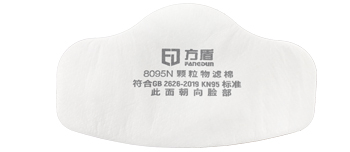
At the same time, priority should be given to choosing styles with good fit and comfortable wearing, to avoid dust leakage caused by gaps between the mask and the face, and to reduce the protective effect. Before wearing a dust mask, it is necessary to check the integrity of the mask to confirm that it is not damaged or deformed, and that the filter cotton is not damp, contaminated, or aged. If any of the above problems exist, it should be replaced immediately.
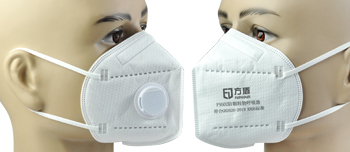
When wearing, it is necessary to cover the mouth, nose, and chin with the mask, adjust the nose clip to fit the nose bridge, tighten the ear hook or headband, and ensure that the mask is tightly attached to the face without looseness or air leakage. During the homework process, if there is a significant increase in respiratory resistance, a damp mask, an odor, or dizziness, it is necessary to immediately evacuate to a safe and ventilated area, remove the mask for inspection, and replace it with a new filter or mask if necessary. Do not force yourself to continue the homework.
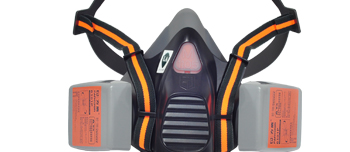
Daily maintenance of masks is the key to extending their lifespan and ensuring protective effectiveness. Unused masks should be stored in a dry, ventilated, and clean environment to avoid exposure to sunlight, moisture, oil stains, and dust; The replaceable filter cotton mask should be replaced in a timely manner according to the duration of use and degree of pollution.
In general, continuous wearing should not exceed 8 hours. If the dust concentration in the working environment is extremely high, the replacement cycle should be shortened. After wearing, it is necessary to clean the mask shell in a timely manner and store it properly. It is strictly prohibited to reuse disposable dust masks to avoid secondary hazards caused by mask contamination.