English
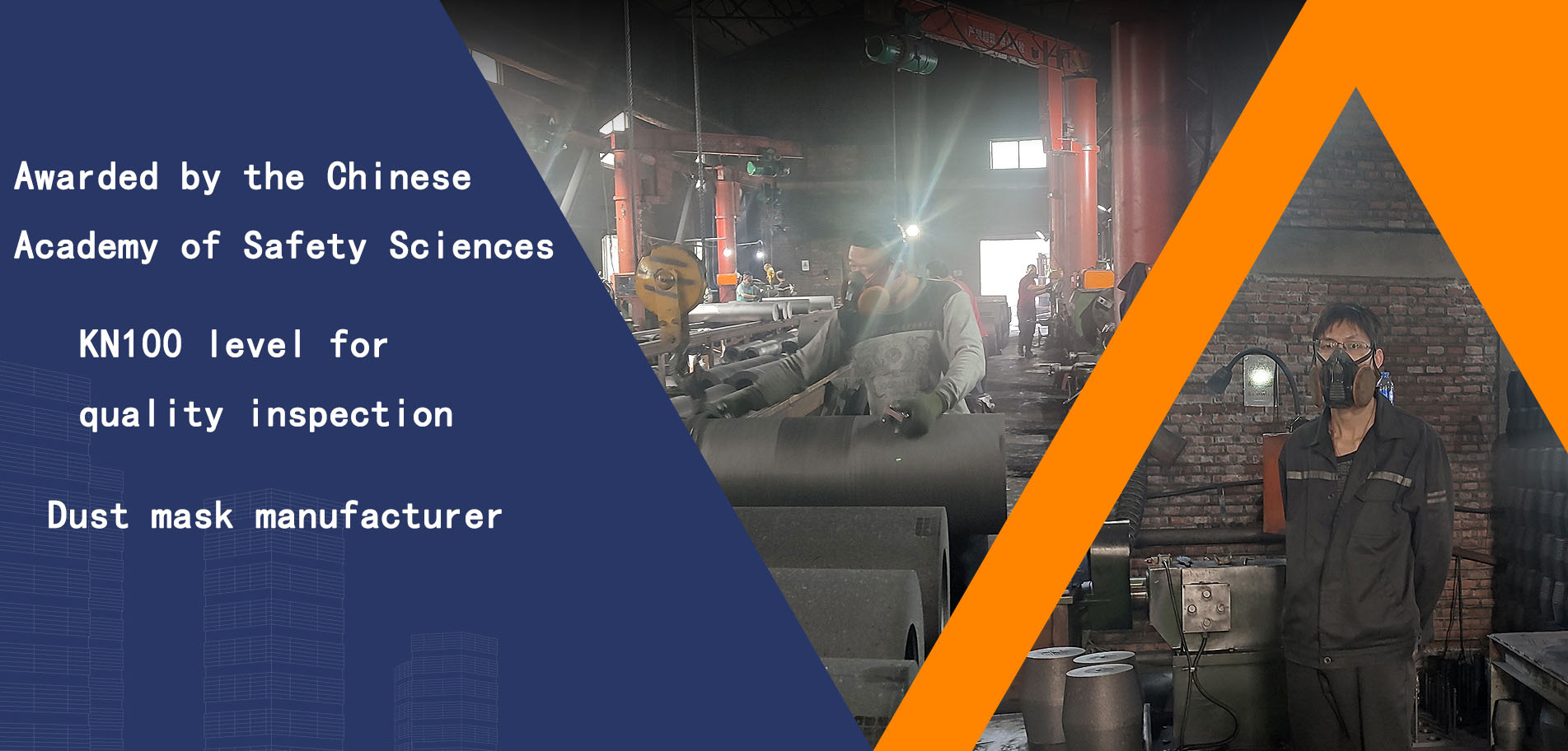
Stone processing is an operation that deals with hard materials, and every process such as cutting, grinding, carving, and polishing generates a large amount of fine stone dust. These seemingly insignificant dust particles are actually "invisible killers" that threaten the respiratory health of practitioners. Wearing masks correctly is the most direct and effective protective measure against this threat, and it is also the occupational health bottom line that every stone processing practitioner must adhere to.

In the stone processing industry, small and micro enterprises account for a very high proportion. Some practitioners have a mentality of luck, thinking that "occasionally not wearing masks is okay" and "wearing masks is too stuffy and affects operation", but they do not know that this negligence is the beginning of health hazards. Some practitioners do not wear masks during high dust concentration processes such as dry polishing and irregular processing; Some masks, even if worn, still have problems such as improper selection, non-standard wearing, and arbitrary removal, resulting in the loss of their protective function.
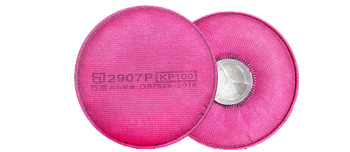
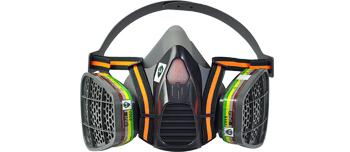
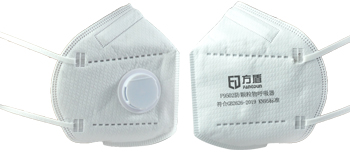
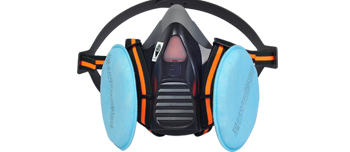
Wearing a mask is the most basic and final key line of defense for dust protection in stone processing. It is not only necessary to choose the right mask, but also to wear it correctly and use it in a standardized manner. Firstly, in terms of mask selection, it is necessary to identify dust masks that comply with the national GB 2626-2019 standard. Stone dust belongs to non oily particles, and KN class masks should be preferred. For operations with low dust concentration such as conventional cutting and light polishing, KN90 class masks can be used.

For routine operations such as continuous polishing and cutting, it is recommended to use KN95 level masks with higher filtration efficiency to balance protective effect and wearing comfort; Special scenarios with extremely high dust concentration, such as confined space processing and high-intensity sandblasting, require the use of KN100 level masks to block dust inhalation to the greatest extent possible. It should be noted that ordinary medical masks and disposable non-woven masks have almost zero filtration efficiency for ultrafine stone dust, and are strictly prohibited from being used in stone processing operations.

Occupational health is irreversible, and protective actions cannot be delayed. In order to feel at ease with every breath, for long-term physical health, and to protect the happiness and well-being of their families, every stone processing worker must remember to wear a mask before starting work and take protective measures throughout the entire operation, making this small mask a solid barrier to resist dust hazards and protect respiratory health. Build the first line of defense for occupational health in stone processing with standardized protection, and work with peace of mind and return home safely.