English

In the process of shipbuilding and maintenance, soldering is a key process for connecting ship structures, pipeline sealing, and electrical components, but it also poses significant safety hazards that cannot be ignored. The metal dust and toxic smoke generated during soldering are prone to accumulate in the enclosed and poorly ventilated cabin environment of ships. Long term exposure can damage the respiratory and nervous systems of workers, and even cause occupational diseases. As a targeted personal protective equipment, the ship soldering half mask, with its scientific design and precise protective performance, has become the core defense line for safeguarding the health of offshore soldering workers.
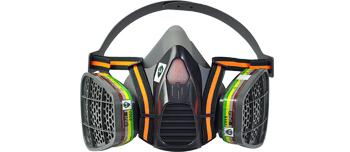
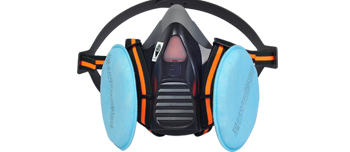
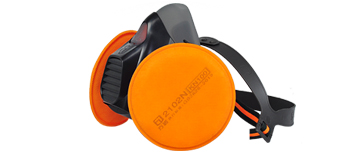
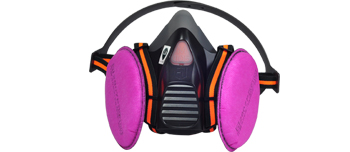
Compared with ordinary protective equipment, the ship soldering half mask has strong scene adaptability, designed around the dual principle of "sealing isolation+efficient filtration". The main body of the mask is made of flexible and skin friendly materials that are resistant to high and low temperatures and corrosion. The three-dimensional cutting fits the facial contour, and the wavy edges can achieve seamless connection from the nose bridge to the chin, effectively blocking welding smoke and splashing particles from penetrating through the gaps. At the same time, it can resist the influence of sea breeze and humid environment on the protective performance.
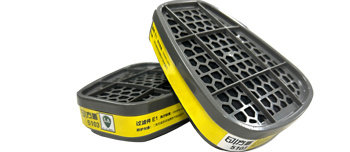
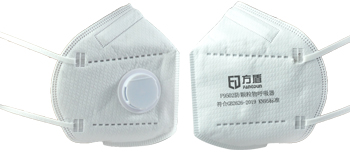
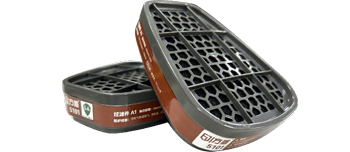
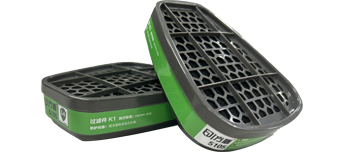
The filtration system is the protective core of the half face mask, consisting of filter cotton and filter cartridge, which work together to achieve comprehensive protection. Filter cotton mainly filters metal dust and welding slag particles generated by soldering, with a filtration efficiency of KN95 and above standards, and can accurately intercept nanoscale fine particles; The filter box is filled with specialized adsorption materials, which selectively adsorb organic volatiles and harmful gases in solder fumes through physical adsorption and chemical neutralization, ensuring clean and safe inhalation of air. Some products are equipped with one-way cold flow exhalation valves, which can quickly discharge humid and hot gases inside the mask, reduce respiratory resistance, and improve the comfort of long-term operations.
Scientific wearing and standardized maintenance are key to ensuring the effectiveness of protection. Before use, it is necessary to check the sealing of the face mask, the elasticity of the headband, and the status of the filter element. Confirm that there is no air leakage through negative and positive pressure tests; When wearing, adjust the adjustable headband to ensure a stable fit of the mask and avoid affecting the protective effect due to looseness. If there is an increase in respiratory resistance or the smell of pollutants during homework, immediately evacuate the work area and check or replace the filter elements.
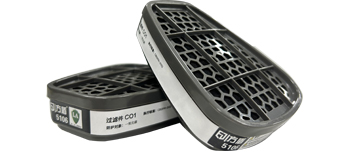
Daily maintenance is equally important. After work, it is necessary to promptly wipe off the dust and dirt on the surface of the face mask, remove the filter element for inspection, and replace it in a timely manner if there is blockage or discoloration. The face mask should be stored in a dry and ventilated place, away from direct sunlight and extreme temperatures, to prevent material aging and deformation. At the same time, unauthorized modification of mask components or sharing among multiple people is strictly prohibited to avoid cross contamination.
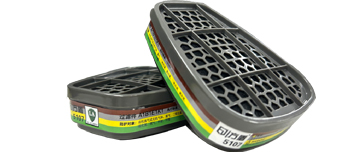
The particularity of ship soldering operations determines the professionalism and reliability of protective equipment. Although the half face mask is compact, it carries the important mission of safeguarding the lives and health of workers. In today's increasingly high safety standards in the shipbuilding industry, standardizing the use of soldering half masks and ensuring daily protection and maintenance is not only a responsibility for the health of the operators themselves, but also an important guarantee for promoting the safe and high-quality development of the shipbuilding and maintenance industry.