English
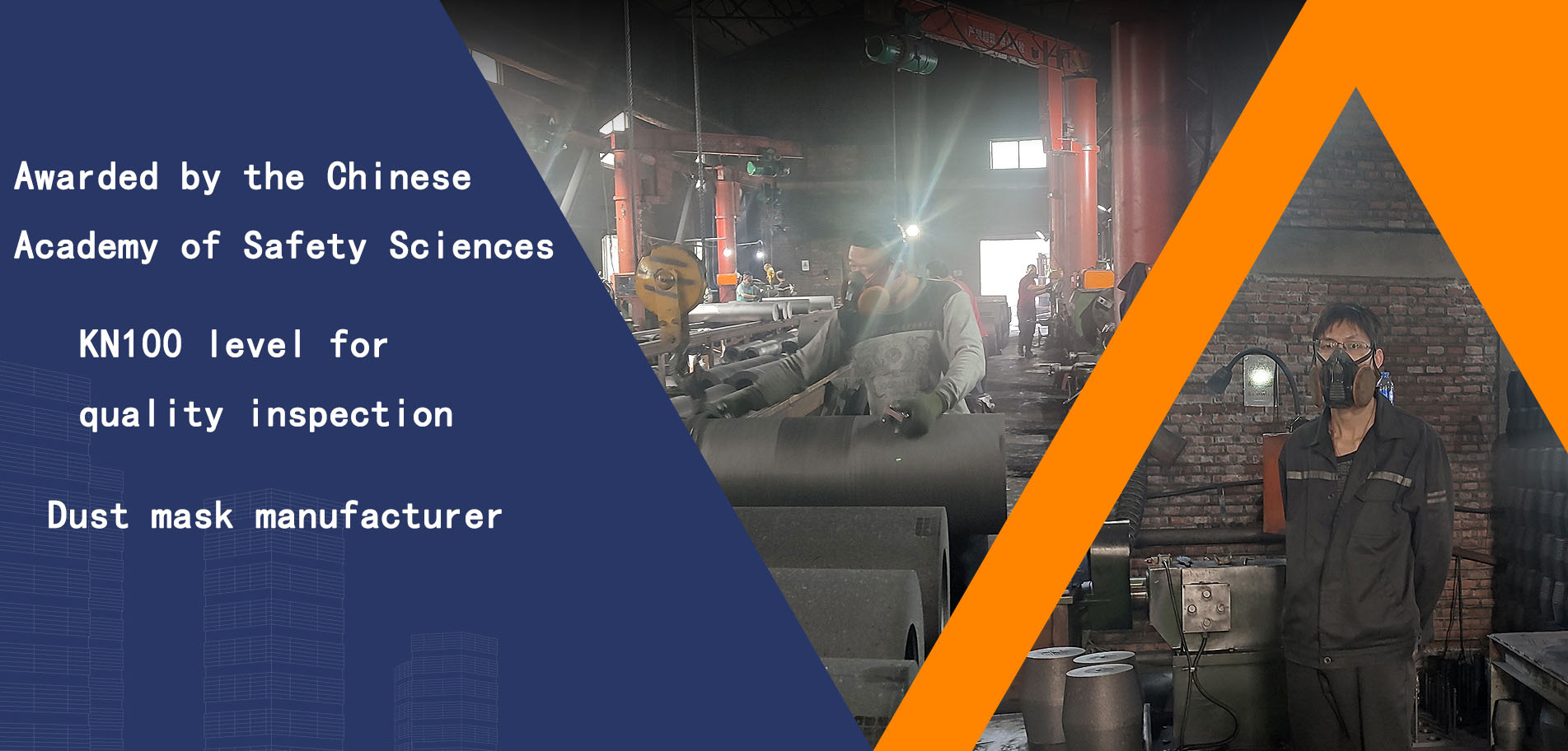
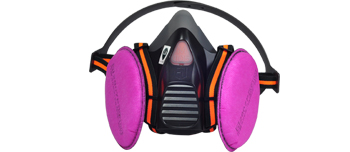
Building polishing is a common process in construction. Materials such as walls, stone, and concrete will generate a large amount of fine dust during polishing. Long term inhalation can seriously damage the respiratory tract and even cause irreversible occupational diseases such as pneumoconiosis. Half face masks, as targeted respiratory protective equipment, can effectively block dust and protect the health of workers, making them an indispensable safety guarantee on construction sites.

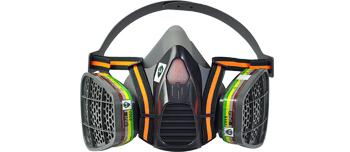
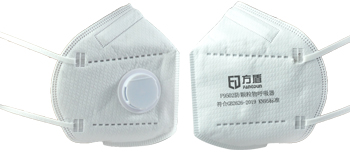
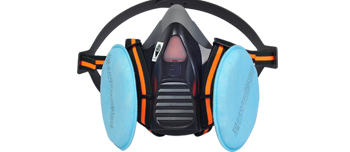
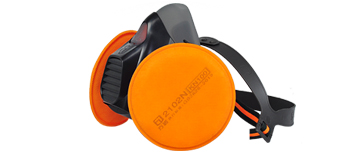
The dust generated by building polishing is mostly respiratory dust with small particle size, which can penetrate deep into the alveoli and is difficult to block with ordinary masks. Half face mask covers the mouth and nose area, equipped with specialized filtering elements, which can efficiently filter non oily particles, meet national protection standards, and block the majority of harmful dust from entering the respiratory tract. Its design conforms to the facial contour, and the flexible material enhances the comfort of wearing. It is matched with an adjustable headband to adapt to different face shapes, and long-term work is not easy to produce obvious pressure, balancing protection and practicality.

Standardizing the use of square shield half masks is the key to achieving effective protection. Before starting the homework, it is necessary to check whether the mask body is intact, whether the filter element is dry and undamaged, and whether the headband has sufficient elasticity. It is strictly prohibited to use aging or damaged equipment. When wearing, first press the face mask against the face, adjust the tightness of the headband, press the nose bridge clip to ensure sealing, and then perform an air tightness test: cover the filter element and inhale. If the face mask slightly collapses and there is no air leakage, it indicates that the wearing is qualified. If you feel an increase in respiratory resistance, smell an odor, or if your face mask shifts during homework, you should immediately evacuate the work area for adjustment or replacement.

The maintenance and replacement of the half face mask are equally important. After the homework is completed, dismantle the filter element in the cleaning area, clean the mask body with neutral detergent, air dry and store in a dry and ventilated place to avoid moisture, exposure to sunlight and chemical corrosion. Filter elements are consumables. When there is excessive dust on the surface, significant increase in respiratory resistance, or damage occurs, they must be replaced in a timely manner and ineffective filter materials cannot be reused. At the same time, when wearing a half face mask, protective goggles, helmets, and other equipment should be paired to form a comprehensive protective system to avoid dust splashing and damaging the eyes.

In construction safety management, respiratory protection is the core link of occupational health protection. The polishing work environment is dusty, and neglecting protection can pose a huge health hazard to workers. Half face masks, with their lightweight, efficient, and easy-to-use features, have become the ideal protective choice for this scenario. Construction units should strengthen safety training, supervise operators to correctly wear and maintain half face masks, and operators should also establish self-protection awareness and actively use protective equipment in a standardized manner.

Safety is no small matter, protection is the bottom line. The small half face mask builds a sturdy barrier against dust, protecting the physical health of construction workers and laying a solid foundation for safe production on the construction site. Only by paying attention to every detail of protection can workers stay away from occupational hazards and ensure the sustainable and healthy development of the construction industry.