English
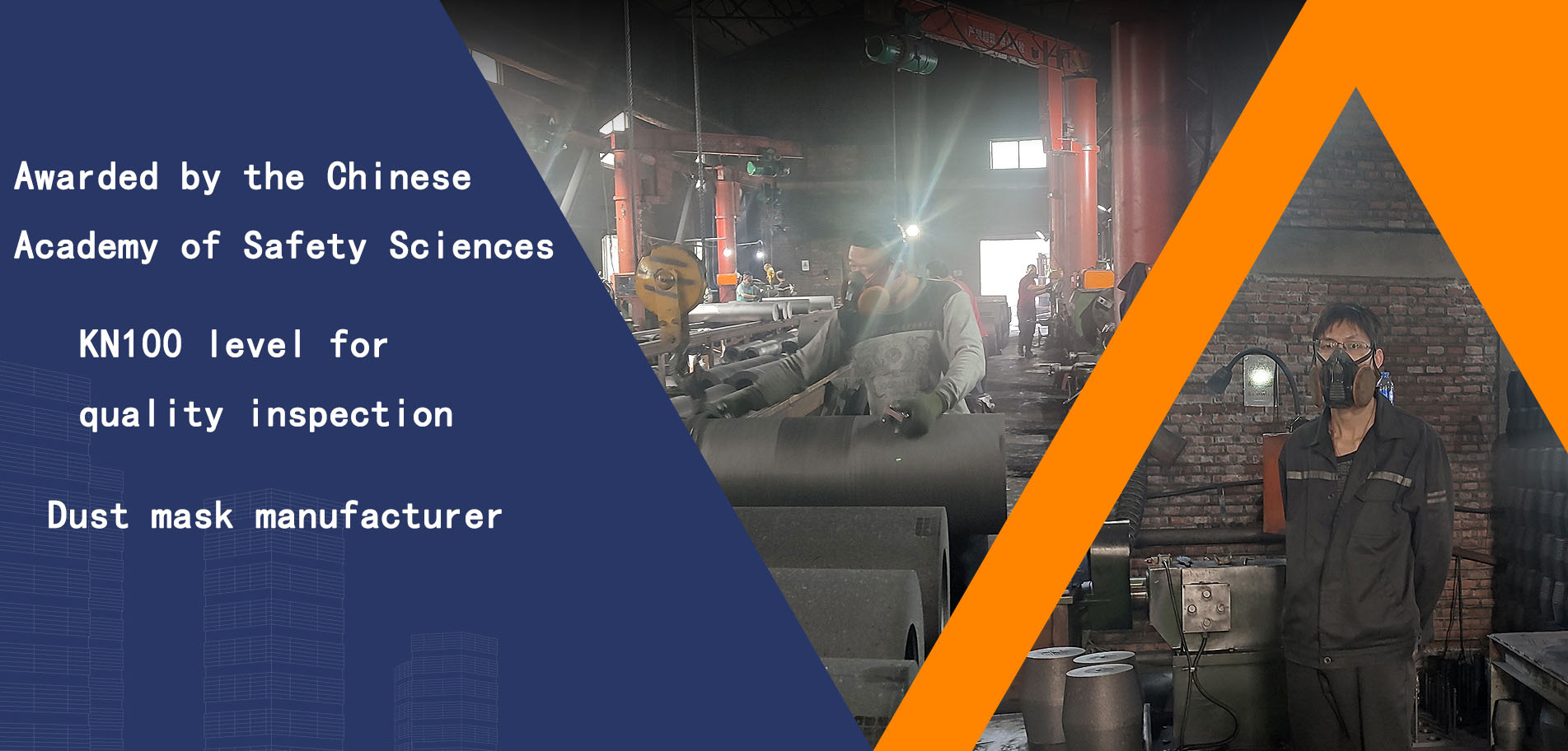
Coal mining is an important pillar of China's energy supply. However, the working environment in coal mines is complex, with a large amount of coal dust, rock dust, and harmful gases suspended in the air. These pollutants pose a serious threat to the respiratory system of miners. Long term inhalation of coal dust can lead to irreversible occupational diseases such as pneumoconiosis. Therefore, the provision and use of personal protective equipment are crucial. Among the numerous protective equipment, the coal mine half mask, with its pertinence and practicality, has become the key defense line to protect the respiratory health of miners.

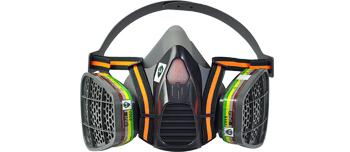
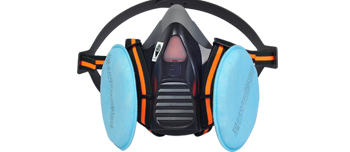
Fangdun Coal Mine Half Face Mask is a respiratory protective device that covers the mouth and nose area. Its core function is to filter harmful particulate matter inhaled into the air. High concentration dust is generated during underground operations in coal mines, especially during mining, transportation, and loading processes. Ordinary masks are difficult to effectively filter fine dust. The coal mine half face mask is equipped with high-efficiency filtering elements, which can significantly reduce the amount of coal dust inhaled by miners. This reduces the risk of pneumoconiosis from the source.

In addition to dust, some mine environments also contain harmful gases such as gas. Some coal mine half masks have comprehensive protective capabilities and can be equipped with corresponding filtering elements to filter specific harmful gases. This targeted protection reduces the multiple health risks faced by frontline workers. Miners work underground for long periods of time, resulting in a high respiratory load. The design of the coal mine half face mask conforms to ergonomics, using low respiratory resistance materials to ensure protection while minimizing the wearer's respiratory burden and ensuring that work efficiency is not greatly affected.
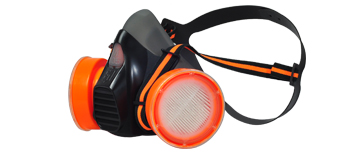
The importance of the coal mine half face mask is also reflected in its adaptability to the operation mode. Coal mining has high labor intensity and limited working space. The half face mask has a small volume and is lightweight, which will not significantly interfere with the miner's field of view and movements. Compared to protective equipment such as full face shields, half face shields are more suitable for complex and narrow working environments in coal mines while ensuring core protective functions. This is beneficial for improving the actual wearing rate of protective equipment.

From the perspective of occupational health management, the half face mask in coal mines is the last checkpoint in the prevention system of pneumoconiosis. Engineering technical measures such as wet operation and ventilation dust removal are important, but they cannot completely eliminate dust hazards. Under current technological conditions, individual protection is indispensable. Equipping qualified and effective coal mine half face masks to miners and training them on proper use is a concrete manifestation of enterprises fulfilling their responsibility for occupational health protection.

The protective effect of coal mine half face masks depends on the correct selection and standardized use. Protective products that meet national standards must be selected based on the type, concentration, and operational intensity of mine dust. The tightness between the face mask and the face is directly related to the success or failure of protection. Beards, facial defects, etc. may affect the sealing effect. Meanwhile, the filter element has a saturation period and needs to be replaced regularly according to regulations. Neglecting any link may lead to ineffective protection.

Although the half face mask of Fangdun Coal Mine is small, it carries a significant responsibility for the respiratory health of miners. It is not only a physical barrier to resist dust invasion, but also a concrete manifestation of occupational health concepts on the front line of mining. Valuing and standardizing the use of coal mine half masks is not only a way to uphold the dignity of miners' lives, but also a necessary requirement for achieving sustainable development of the coal industry and building harmonious labor relations.