English
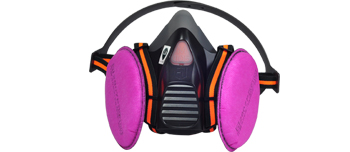
In daily life and many work environments, harmful substances to the human body are everywhere in the air - dust, smoke, toxic gases, bacteria, viruses, etc. As a common respiratory protective equipment, the protective half mask has become an important choice for many people to protect their respiratory health due to its lightweight, practicality, and wide range of applications.
What is a protective half face mask
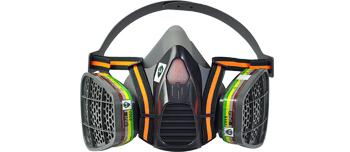
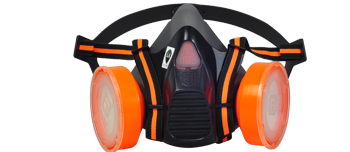
A protective half face mask is a personal protective equipment that covers the mouth, nose, and chin area. It purifies the inhaled air through filtering elements to reduce the entry of harmful substances into the respiratory system. Compared to full face masks, half face masks are smaller in size, lighter in weight, and more comfortable to wear, making them suitable for long-term use.
Core Composition and Working Principle
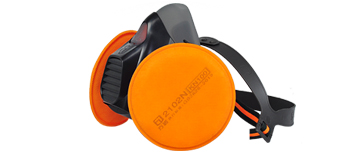
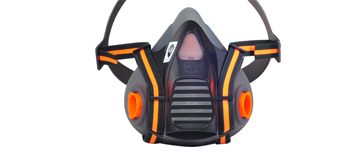
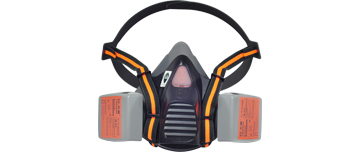
A complete protective half face mask usually consists of three core parts: the mask body, the filtering element, and the exhalation valve.
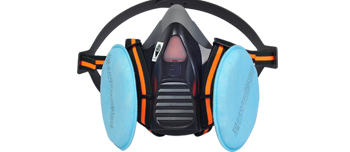
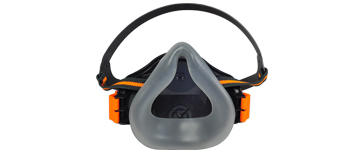
The Fangdun half face mask adopts a food grade liquid silicone cover body, which is soft and fits the face, balancing sealing and comfort. The filter element is the core of the half face mask, which can be divided into two types according to the different protection objects: anti particle filter cotton and anti toxic filter box. The former captures particulate pollutants such as dust, smoke, and microorganisms through electrostatic adsorption and mechanical interception; The latter is equipped with adsorption materials such as activated carbon, specifically designed to filter chemical toxins such as organic vapors and acidic gases. The exhalation valve is a one-way flow guide device that opens during exhalation to release moist and hot gases, and closes during inhalation to prevent unfiltered air from entering, effectively reducing respiratory resistance and minimizing the feeling of stuffiness inside the mask.
How to choose correctly
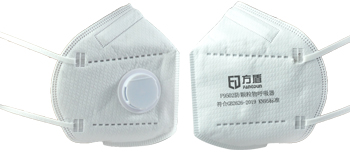
To choose a suitable protective half mask, the first step is to clarify the types of hazards in the usage scenario. Faced with dust PM2.5、 Bacteria and other particulate matter should be treated with a half face mask equipped with anti particle filter cotton; In scenarios such as spraying paint or coming into contact with chemical solvents, it is necessary to use a half face mask with an anti toxic filter box, and the corresponding model of filter box should be selected according to the specific chemical substance.
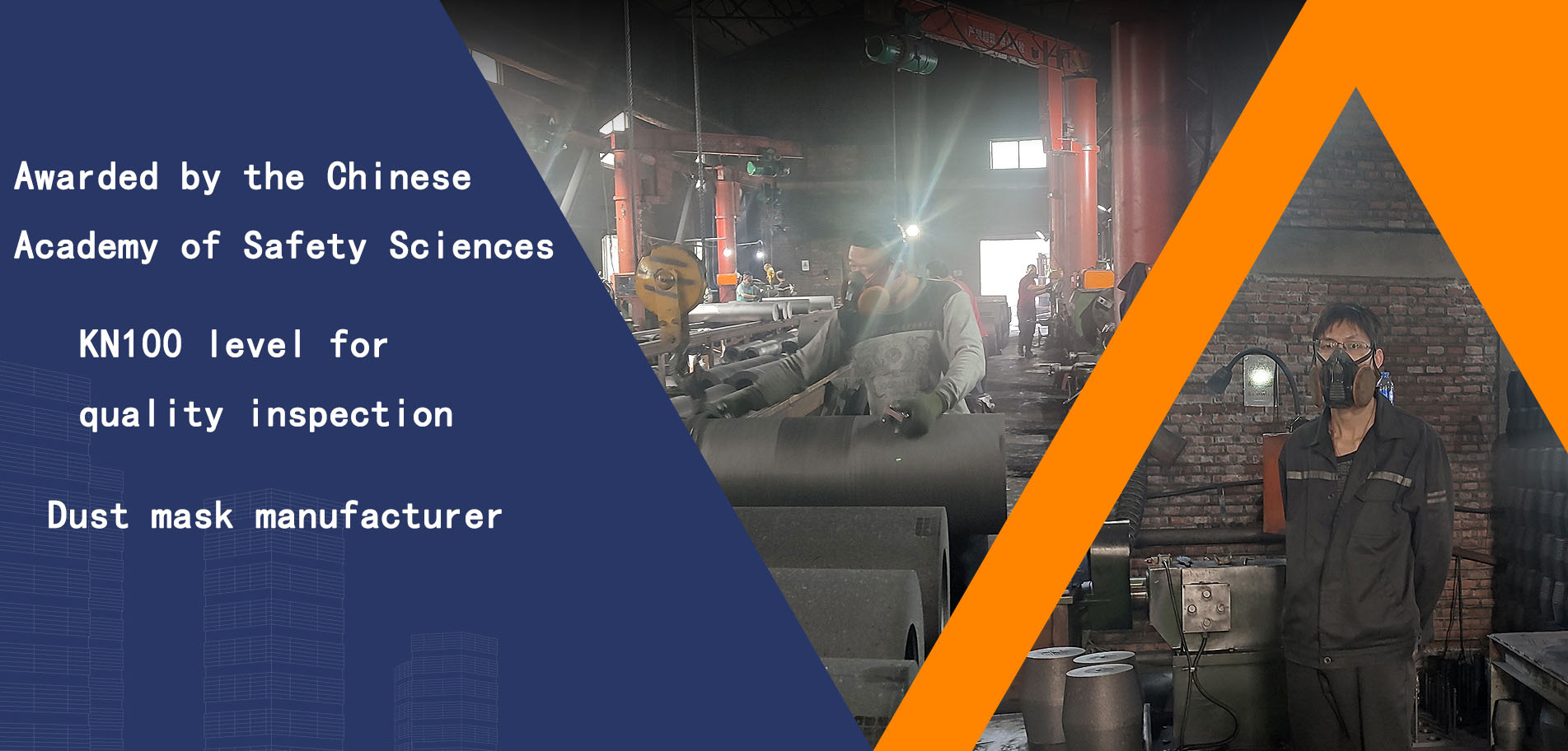
Secondly, certification standards are the key basis for determining protective performance. Products that meet national standards will be clearly labeled with certification levels on their packaging, such as KN100, KN95, or KP series labels. It should be noted that filter cotton and filter cartridge are consumables and may become ineffective due to adsorption saturation or clogged filter holes after a period of use. They must be replaced regularly according to the product instructions.
Correct wearing method
No matter how good the protective mask is, it cannot function properly if worn improperly. Before wearing, it is necessary to check whether all components are intact and adjust the headband to a position with moderate elasticity - it is advisable for the mask to fit the face without obvious pressure, to avoid air leakage caused by too loose or discomfort caused by too tight. After wearing, it is necessary to perform an air tightness check: seal the exhalation valve outlet with your palm and inhale forcefully. If you feel that the mask is significantly collapsed and there is no air leakage, it indicates good sealing; Otherwise, the wearing position needs to be readjusted.
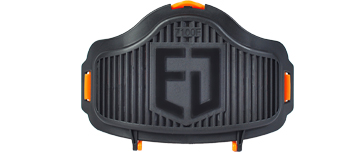
The protective half mask is the last line of defense for respiratory safety. Proper selection, standardized wearing, and regular maintenance are all indispensable. When exposed to any work environment that may harm respiratory health, please be sure to choose scientifically and take responsibility for your own and your family's health.