English
Choosing appropriate protective masks is crucial in environments polluted by particulate matter such as dust, smoke, and oil mist. The common KN95, KN100, and KP100 masks on the market, although similar in appearance, have significant differences in their protection levels and applicable scenarios. Understanding these differences can help make scientifically reasonable choices based on the types of pollutants in actual work or living environments.
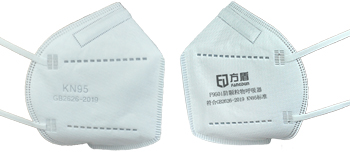
These three types of masks are all derived from the Chinese national standard GB 2626-2019 "Respiratory Protection Self priming Filter Anti Particle Respirators". This standard divides masks into KN and KP categories based on their filtration efficiency for particulate matter, with each category further subdivided into three levels: 90, 95, and 100. KN class masks are specifically designed to filter non oily particles such as coal dust, cement dust, welding fumes, droplets, pollen, etc. The PM2.5, bacteria, and virus droplets we encounter in our daily lives are all non oily particulate matter. KP masks are suitable for filtering oily particles, such as oil fumes, asphalt smoke, coke oven smoke, paint mist, and oil mist generated by mechanical processing.
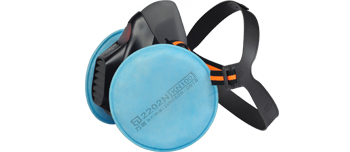
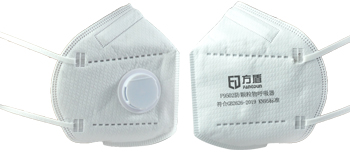
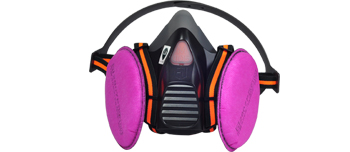
In terms of filtration efficiency, the core difference between KN95, KN100, and KP100 is reflected in the numbers. The minimum filtration efficiency of KN95 mask for non oily particles is 95%, which can effectively block the vast majority of non oily particles and is a common choice for daily anti haze and anti droplet measures. The minimum filtration efficiency of KN100 mask for non oily particles is over 99.97%, which is the highest protection level in non oily environments. The KP100 mask also achieves a filtration efficiency of over 99.97%, but it also has the ability to protect against oily particles. Simply put, the filtration efficiency values of KN100 and KP100 are the same, but KP100 has a wider protection range, taking into account both oily and non oily particulate matter.
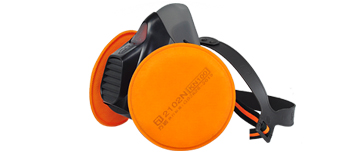
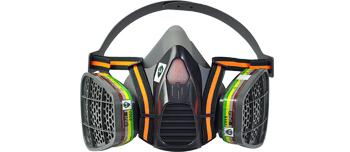
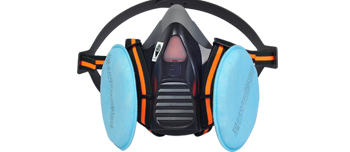
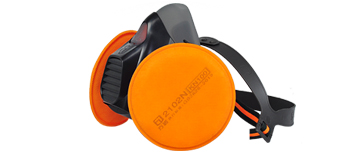
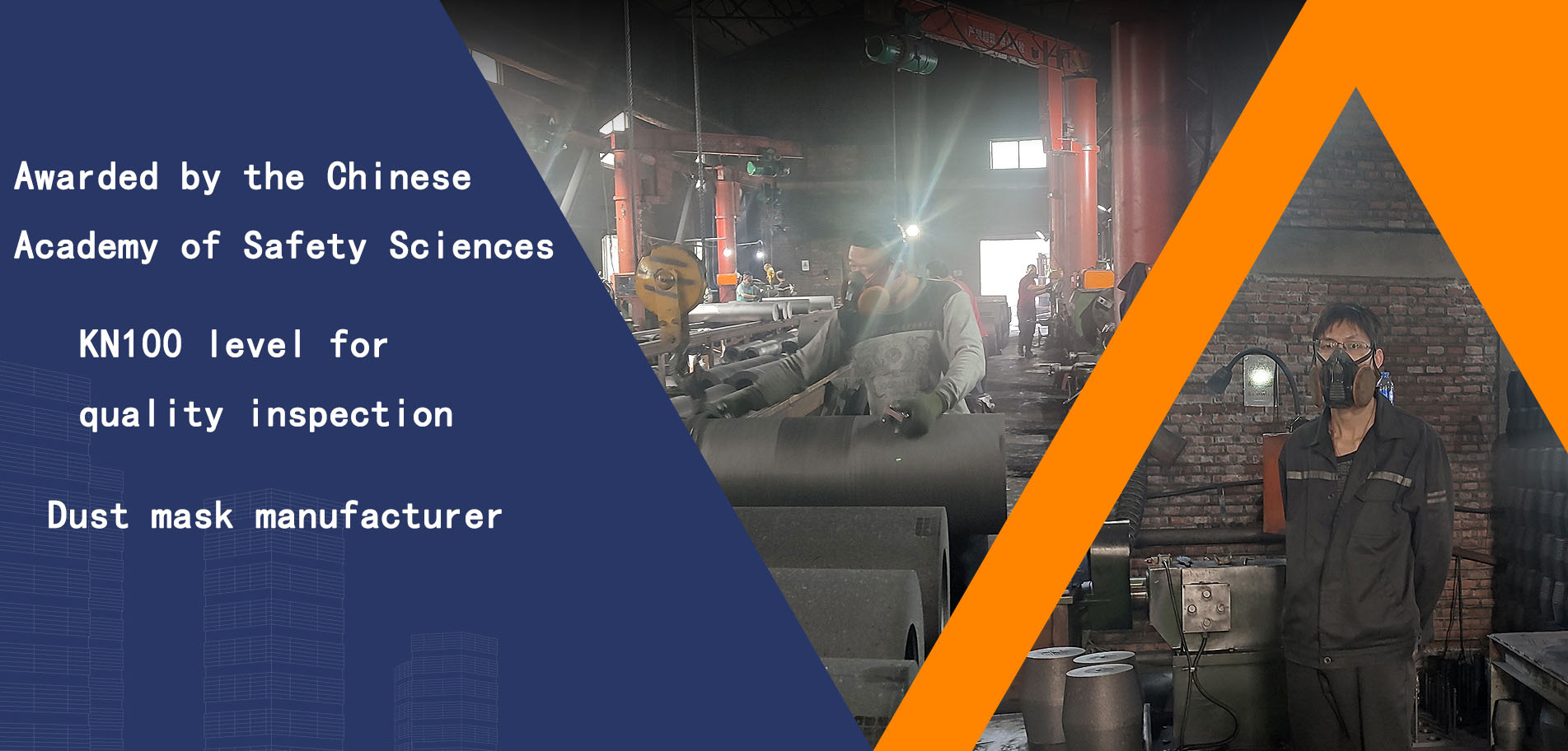
From the perspective of applicable scenarios, KN95 masks are suitable for daily haze prevention, medical protection, construction sites, coal mining, textile workshops, and general dust work environments. Its respiratory resistance is moderate, cost-effective, and sufficient to meet most civilian and general industrial protection needs. KN100 masks are suitable for high concentration dust environments, such as mining crushing, cement packaging, metal smelting, pharmaceutical workshops or laboratories that require extreme protection. Due to its extremely high filtration efficiency, the KN100 mask has relatively high respiratory resistance and stricter requirements for facial sealing when worn. KP100 masks are suitable for complex environments where both oily and non oily particles are present, such as kitchen fumes, asphalt operations, spray workshops, mechanical processing oil mist, and chemical production. In oily environments, KP100 represents the highest level of protection.
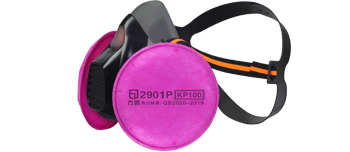
It should be noted that although KN100 and KP100 have the same filtration efficiency, KP100 has an additional ability to protect against oily particles, making it more widely applicable and usually more expensive. For environments without oily particles, choosing KN100 is already sufficient, there is no need to blindly pursue the KP series. In addition, regardless of which type of mask is chosen, it must fit well with the wearer's face in order to truly function. When wearing, the nose clip should be tightened, the headband adjusted, and the airtightness checked. Otherwise, even if the filtration efficiency is high, air leakage will greatly reduce the protective effect.
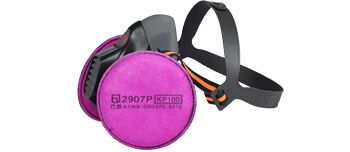
Overall, the differences between KN95, KN100, and KP100 are mainly reflected in two aspects: the protected object and the filtering efficiency. KN95 is the mainstay of daily protection, KN100 is the ultimate barrier in dusty environments, and KP100 is a professional choice for oily environments. According to the type and concentration of particulate matter in the work environment, it is necessary to choose masks of the corresponding level in order to obtain the most effective protection while ensuring smooth breathing.