English
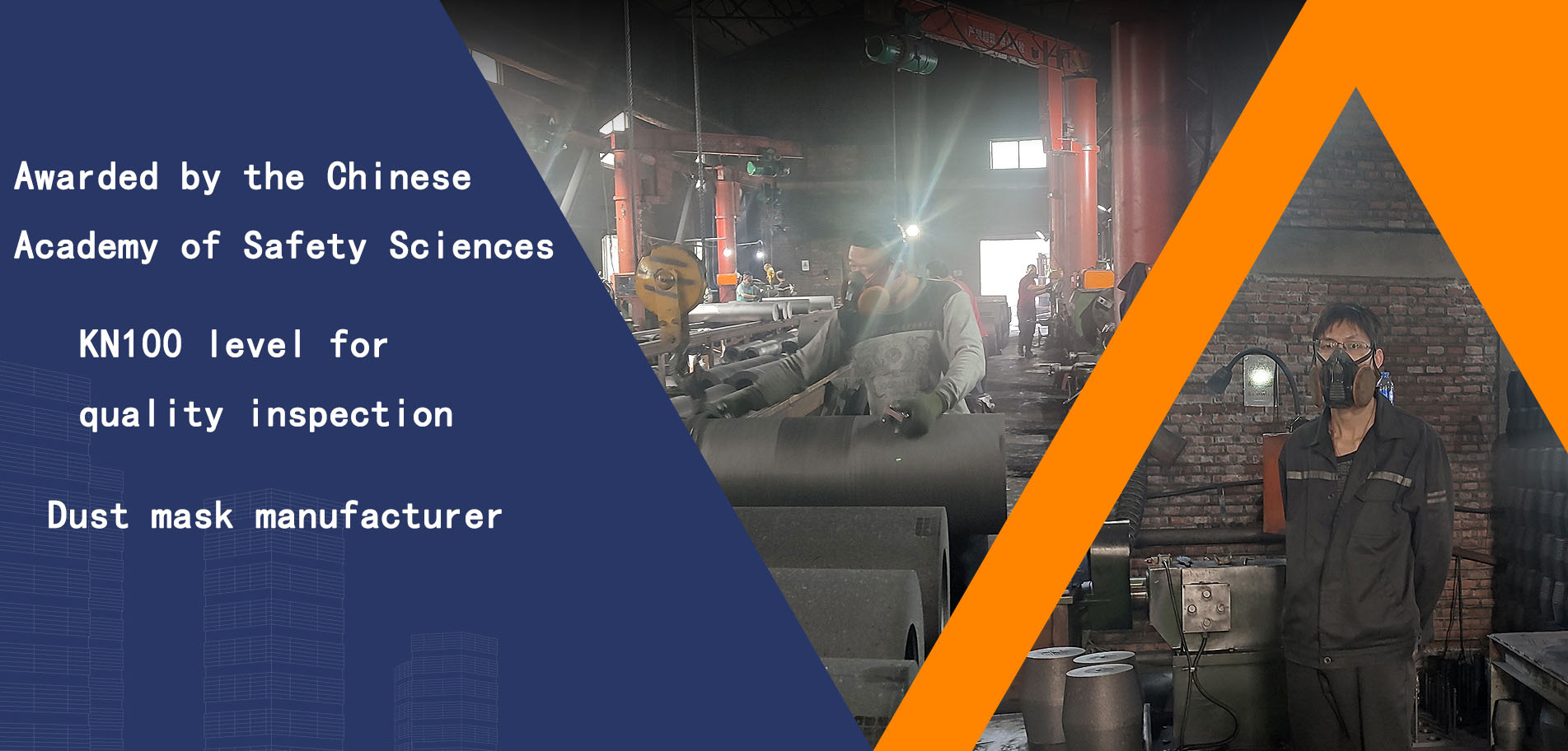
Dust is a common occupational hazard in mining, polishing, construction, welding and other scenarios. Long term inhalation of excessive dust may lead to irreversible diseases such as pneumoconiosis. However, although many people wear masks, the protective effect is not ideal - either the product is unqualified or they wear it incorrectly. How to choose and use industrial dust masks correctly is the key to guarding the health defense line.
1、 Identify the level of protection, don't just look at the appearance
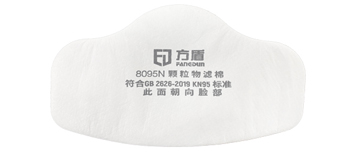
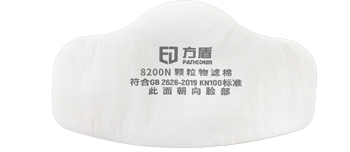
The core indicators of industrial dust masks are filtration efficiency and tightness. Domestically, the GB 2626 standard is implemented, dividing particulate matter respirators into two categories: KN and KP. KN class is used to prevent non oily particles such as coal dust, cement dust, and polishing dust, and is the most commonly used in industrial environments. On the level, KN90, KN95, and KN100 correspond to filtration efficiencies of not less than 90%, 95%, and 99.97%, respectively.
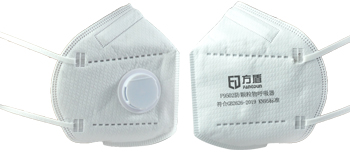
It is recommended to prioritize choosing the level of Fang Dun KN95 or above. KN95 is sufficient for most industrial dust; KN100 has higher efficiency but greater respiratory resistance, making it suitable for high concentration dust environments. Be wary of products that only label "dustproof" and "activated carbon" without GB 2626 labeling, as they cannot effectively intercept fine dust.
2、 Tightness determines the true effect
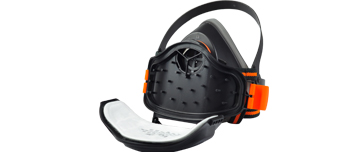
No matter how high the filtering efficiency is, if the mask is not tightly attached to the face, dirty air will also enter through the gaps, and the protection is virtually ineffective. Therefore, when choosing, attention should be paid to:
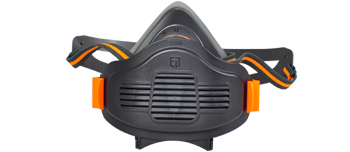
Head mounted is superior to ear hanging: In industrial environments, head mounted is more stable and less prone to loosening.
Adjustable nose clip and sponge nose pad: Ensure that the nose bridge can be shaped, and if necessary, choose a style with sponge pad to enhance sealing.
Suitable for face shape: After trying on, perform an air tightness test - cover the mask with both hands and exhale until there is no air leakage at the edges before use.
For those with more beard or special facial shape, ordinary masks are difficult to fit tightly, and electric air supply respirators should be considered.
3、 Proper wearing and timely replacement
Common errors: Only hanging ears without tightening headband, not pressing nose clip, repeatedly pulling and deforming mask. Correct procedure: Wash hands, unfold the mask, pull the headband behind the neck, place the headband on top of the head, press the nose clip to shape, and perform an air tightness check.
Immediate replacement is required in the following situations: significant increase in respiratory resistance; The mask is contaminated, deformed or damaged; Nose clip failure; Accumulated usage reaches the manufacturer's recommended upper limit (generally, KN95 should not exceed 40 hours in a regular dust environment, or be replaced continuously for 8 hours). Disposable dust masks are strictly prohibited from being washed with water or disinfected with alcohol, as this can damage the electrostatic filter layer.
4、 Comprehensive protection cannot be ignored
In enclosed spaces or extremely high concentration dust environments, relying solely on filter masks may not be sufficient, and local ventilation, wet operations, or the use of full face masks and gas supply systems may be necessary. After work, clean your face and nose, change into work clothes, and avoid bringing dust home.
Industrial dust masks should be selected from FangdunKN95 and above certified according to GB 2626, with a fixed headband and a snug nose clip, and should be worn correctly and replaced regularly. Protection is no small matter, every compromise may leave long-term hidden dangers to the lungs.