English
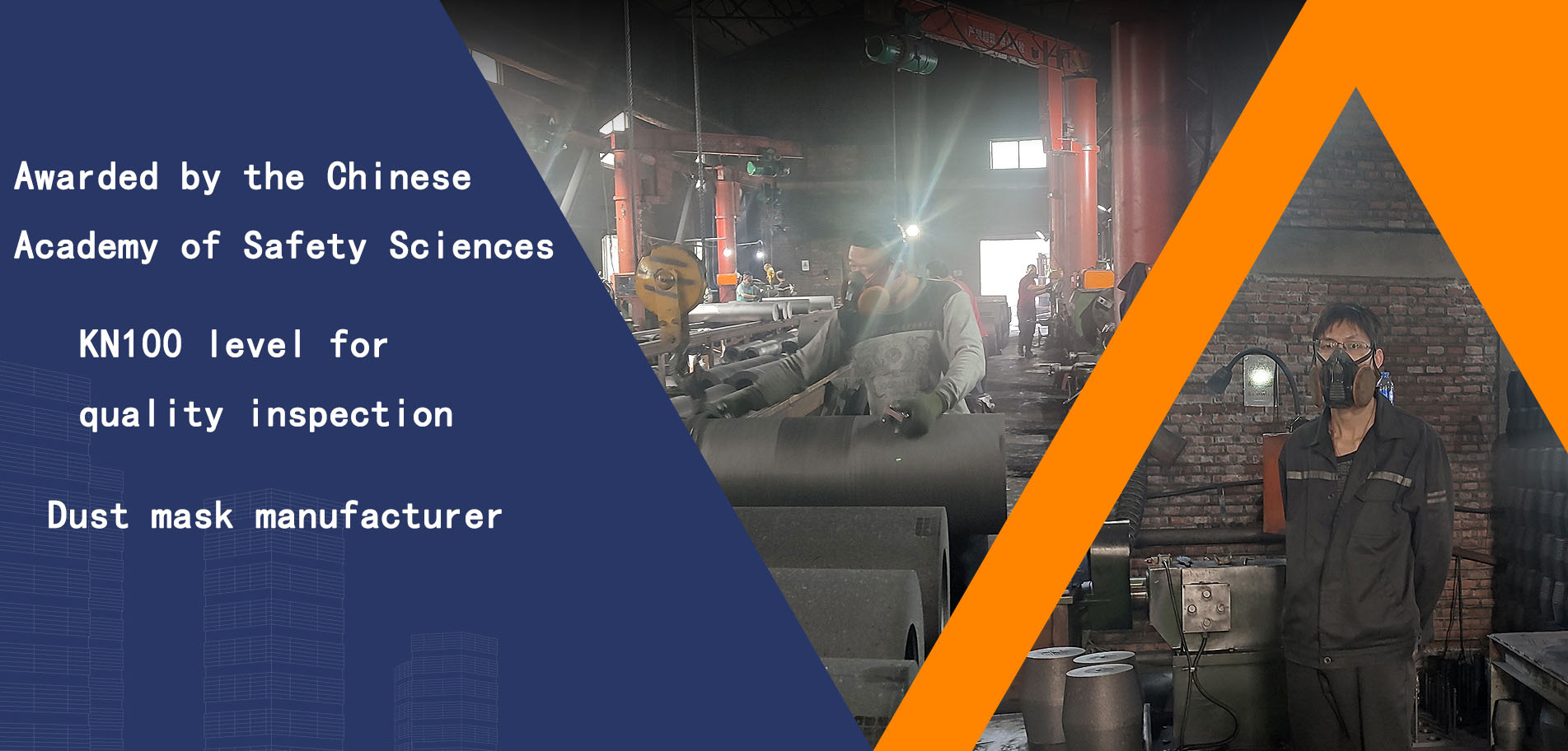
Ship painting is an indispensable step in the process of ship construction and maintenance, but this operating environment is full of risks. When conducting spraying operations in enclosed cabins, shipyards, or open-air slipways, a large amount of paint mist and volatile organic compounds are present in the air, posing a serious threat to the respiratory system of the workers. In this environment, semi face respiratory protective masks have become a key equipment for protecting workers' occupational health.
There are various types and high concentrations of harmful substances generated during ship painting operations. The volatile organic solvents such as benzene, toluene, and xylene in paint form high concentrations of toxic vapors, while the paint mist particles generated during the spraying process can be inhaled deep into the lungs. These substances not only irritate the respiratory mucosa, but long-term exposure may also lead to chronic bronchitis, asthma, and even trigger serious diseases such as leukemia. When working inside a cabin with limited ventilation, the concentration of harmful substances often exceeds the safety limit, which can cause acute poisoning symptoms such as dizziness and nausea in a short period of time.
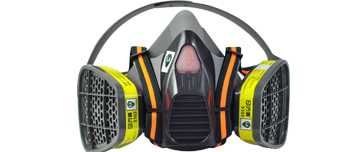
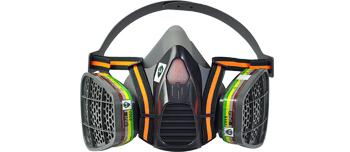
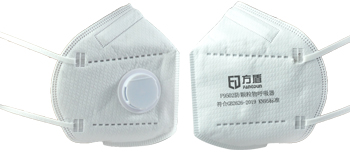
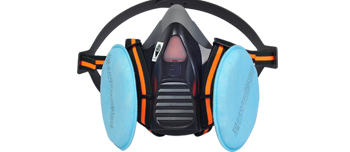
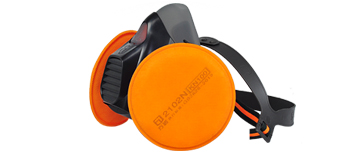
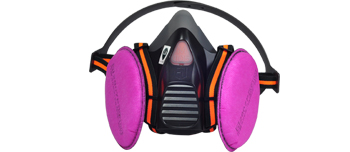
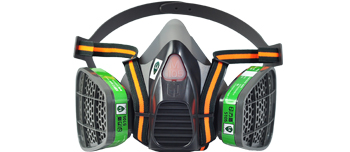
The core value of the half face protective cover lies in its dual protection capability. Unlike ordinary dust masks, the half face mask is equipped with a corresponding filter box or filter cotton, which can simultaneously filter particles in the air and adsorb toxic vapors. The sealing frame design of the high-quality half face mask fits well with the face, forming an effective negative pressure zone to ensure that all inhaled air is processed by the filtering element. A half face mask equipped with a comprehensive protective filter box can reduce the concentration of harmful substances to a safe range for the common organic vapor and paint mist mixed pollutants in the ship painting environment.
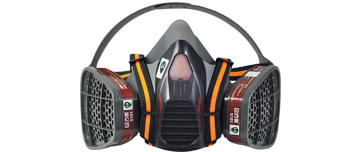
The correct selection and use of a half face mask is crucial. Suitable filter elements should be selected based on the specific type of pollutants in the painting operation. The combination of organic vapor filter box and particulate pre filter cotton is the recommended configuration for ship painting scenarios. Before use, a airtightness check must be carried out to ensure that the mask is in place with the face. At the same time, it should be noted that the adsorption capacity of the filter cartridge is limited. Once you smell an odor or feel a significant increase in respiratory resistance, you should replace the filter cartridge in a timely manner. After the homework is completed, the mask body should be cleaned and stored properly to avoid deformation affecting the sealing performance.
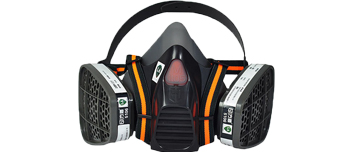
In the high-risk working environment of ship painting, semi face respiratory protective masks are not optional labor protection equipment, but the last line of defense to protect workers' lives and health. Employers should distribute it as mandatory protective equipment and strengthen training to ensure proper use. Only by implementing personal protective measures can we minimize the occurrence of occupational diseases and ensure the safe return of every ship painter.