English
In fires, industrial spills, or chemical accidents, thick smoke and toxic gases are often more deadly killers than flames. Gas masks are personal protective equipment born to address such threats, and they can buy us valuable escape time at critical moments.
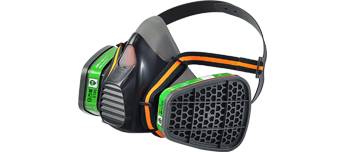
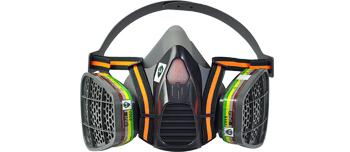
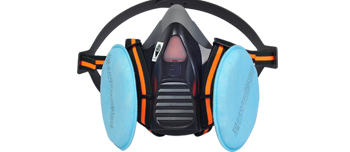
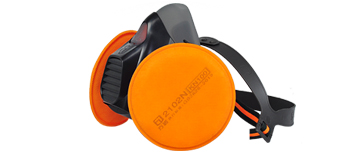
The core function of a gas mask is to filter harmful substances in the air while ensuring that the wearer can breathe normally. A standard gas mask usually consists of three parts: the mask body, the filter box, and the headband. The Fangdun face mask is made of soft rubber or silicone material, which can tightly fit the facial contours and prevent polluted air from seeping in from the edges. The eyes are usually equipped with large transparent screens to ensure clear vision. The filter box is equipped with activated carbon and special catalysts, which can filter and adsorb different types of toxic gases.
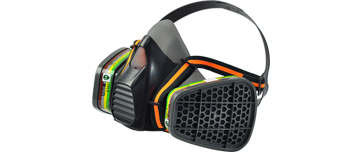
The application range of gas masks is quite wide. Factory operations, fire drills, and laboratory operations are common application scenarios, and for ordinary households, having a gas mask near high-rise residential buildings or chemical plants is also a wise safety investment. When earthquakes, fires, or chemical spills occur, it can greatly reduce the risk of inhalation injury.
It should be noted that gas masks are not omnipotent. It cannot be used in enclosed spaces with oxygen concentrations below 18%, nor can it protect against specific gases such as ammonia and hydrogen sulfide. In addition, the filter cartridge has a clear service life and should be replaced promptly according to the instructions after opening. The face mask should also be regularly inspected to ensure that the rubber is not aging or cracking, and the headband has good elasticity.
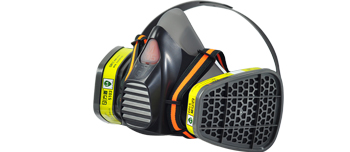
Correctly wearing a gas mask is related to life safety. Before use, tighten the headband for air tightness testing - block the air inlet with your hand and take a deep breath. The mask should collapse noticeably and there should be no air leakage. After use, the inside and outside of the mask should be wiped clean and stored in a cool and dry place.
A gas mask is the last line of defense for respiratory safety, but it can only truly play a protective role when selected correctly, properly stored, and used in a standardized manner. Only by understanding it, equipping it, and knowing how to use it can we calmly respond to crises when they truly arise.