English
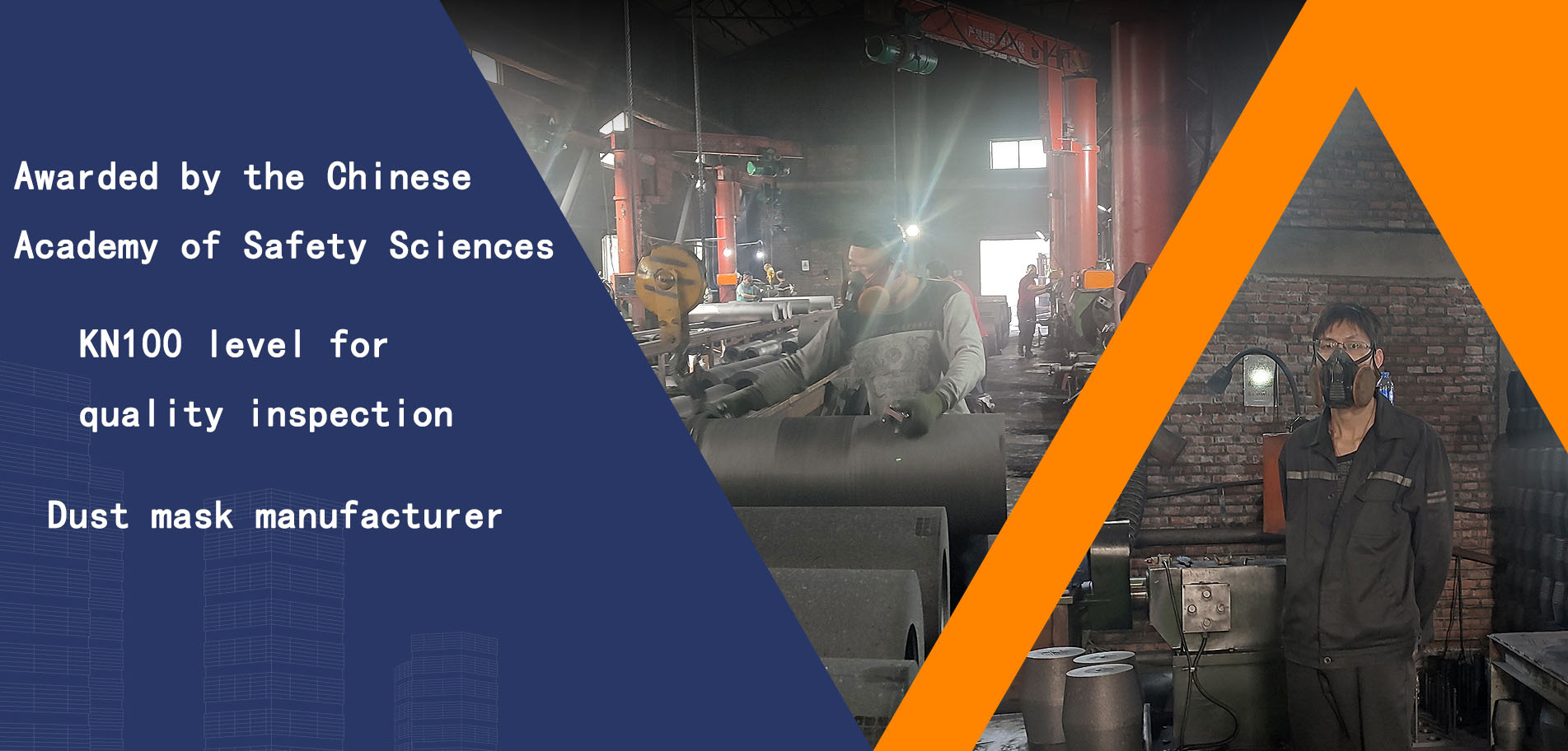
In the production environment of cement plants, the concentration of dust is high and the particles are small. During operation, a large amount of dust is often dispersed in the air. In such working conditions, a qualified dust mask not only needs to provide a reliable filtering barrier, but also needs to find a balance between protection and comfort - allowing the wearer to truly feel that the mask "breathes".
Protection level, executed according to standards
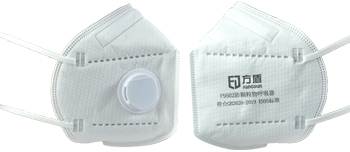
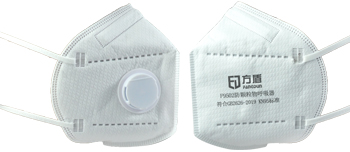
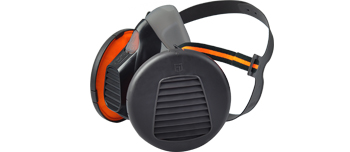
Cement plants belong to dry dust workplaces and should use KN class dust masks that meet national standards. According to GB2626-2019 "Respiratory Protection Self priming Filter Anti Particle Respirators", dust masks are divided into three levels based on filtration efficiency: KN90, KN95, and KN100, corresponding to filtration efficiencies of ≥ 90%, ≥ 95%, and ≥ 99.97%, respectively. Among them, KN100 grade can more effectively filter fine dust and is suitable for high concentration environments. The KN100 series dust masks strictly adhere to this standard, providing workers with protective options that comply with regulations.
Design parameters for 'breathing'
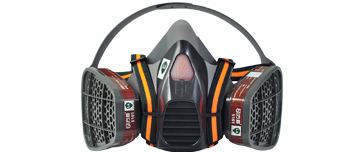
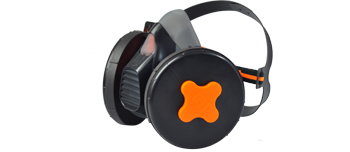
The "breathing sensation" of Fangdun masks comes from continuous optimization of resistance and structure. Taking the KN100 dust mask as an example, its inhalation resistance is controlled at ≤ 20pa, and the exhalation valve resistance is ≤ 50pa. A lower resistance value helps reduce respiratory burden. The main body of the mask is made of silicone material, which is soft and fits the contour of the face. It is also equipped with a dual filter cotton design, which increases the effective filtering area and makes the airflow pass through more smoothly. The exhalation valve adopts cold flow guidance technology, which can quickly export the exhaled humid and hot exhaust gas, reduce the accumulation of fog inside the mask, and further improve the comfort of wearing. The weight of the entire face mask (excluding filters) should be controlled within 100 grams, and long-term wearing will result in less pressure on the neck.
Practical information and usage precautions
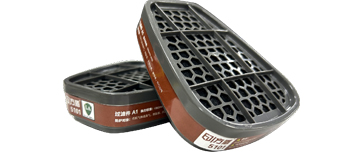
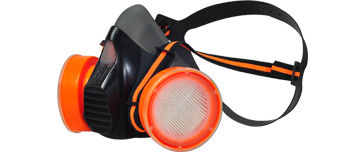
In practical use, the filter cotton of the mask is a multi-layer composite structure that uses the principle of electrostatic adsorption to capture ultrafine dust, ensuring high interception efficiency and avoiding the sudden increase in respiratory resistance caused by high density. When wearing, ensure that the mask fits well with the face and perform an air tightness check: block the air inlet with your palm, and the mask should collapse noticeably when inhaling. Otherwise, adjust the headband or change the size.
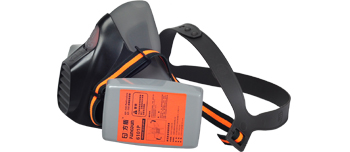
In terms of daily maintenance, it is recommended to regularly clean the mask body, use neutral detergent to wipe, and avoid organic solvents. Filter cotton is a consumable item that should be replaced promptly when there is a significant increase in respiratory resistance, obvious discoloration or damage to the surface of the filter cotton; If there are cracks or valve deformation in the mask body, it should be scrapped and replaced as a whole.
A breathable mask keeps every breath smooth in the cement plant and returns protection to its simple and reliable essence.