English
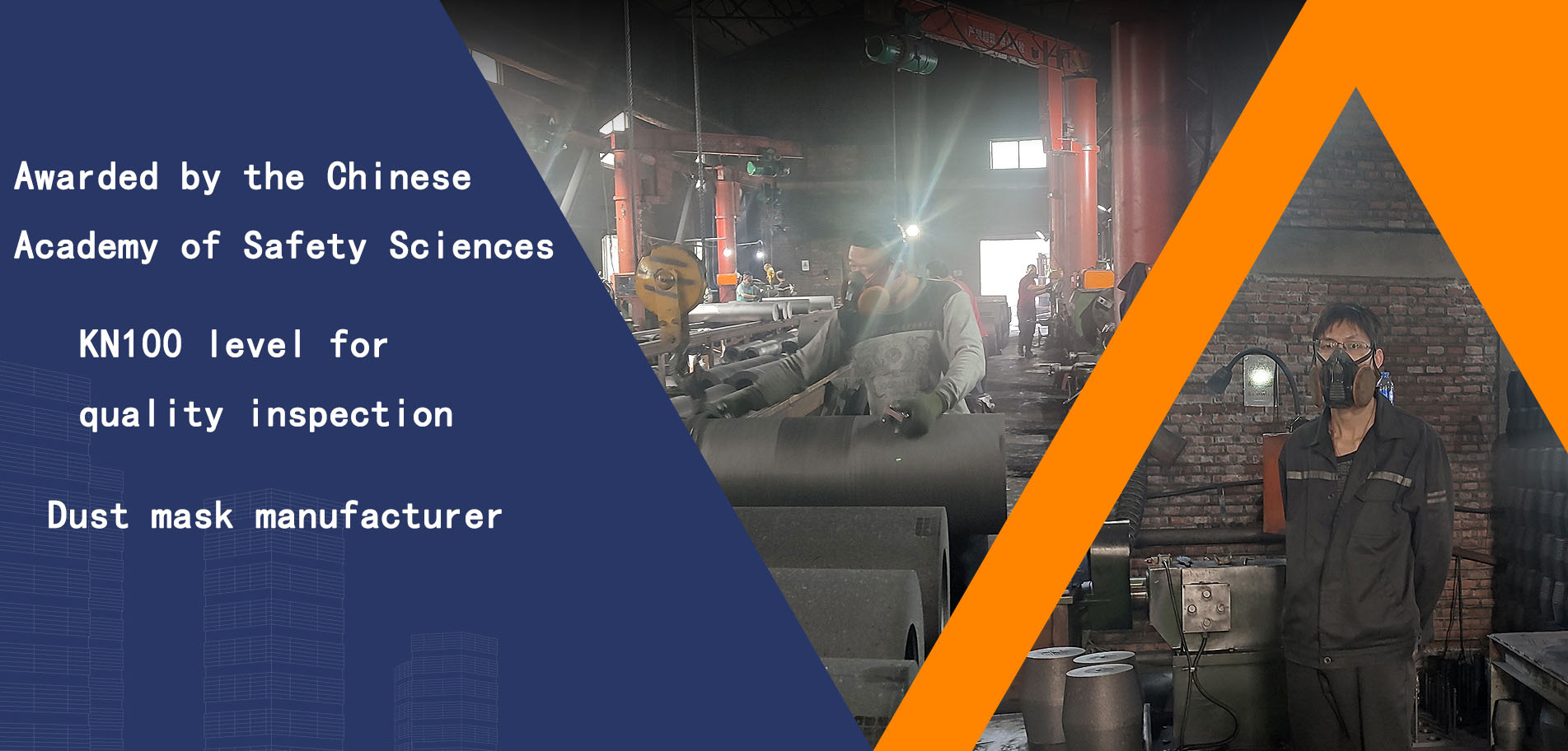
Working in a dusty environment for a long time, scientific protection is the key to ensuring occupational health. Faced with tiny particles suspended in the air, workers need to establish a comprehensive awareness of protection from environmental improvement, equipment selection to daily habits.
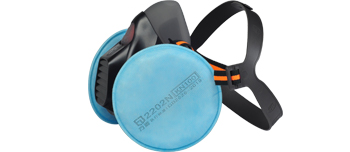
In terms of engineering protection, dust concentration should be reduced as much as possible from the source. For example, in processes such as stone cutting and polishing, using wet methods and ensuring continuous water supply can effectively suppress dust flying. At the same time, maintain ventilation in the workshop, regularly clean up accumulated dust, and avoid secondary dust caused by dry sweeping.
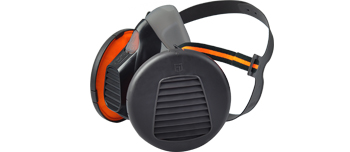
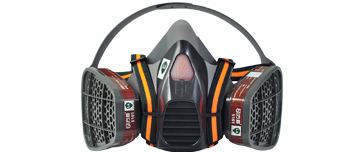
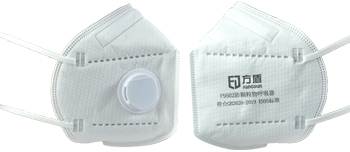
Personal protective equipment is the last line of defense to protect the respiratory system. Ordinary cotton yarn masks cannot effectively intercept fine dust. It is recommended to use anti particle respirators that comply with the GB 2626-2019 standard. For high concentration dust environments, FangdunKN100 grade silicone half masks are a reliable choice, with a filtration efficiency of up to 99.97% for non oily particles, providing a solid barrier for the respiratory tract.
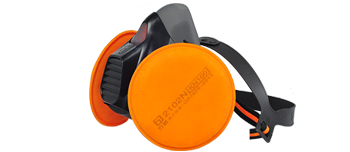
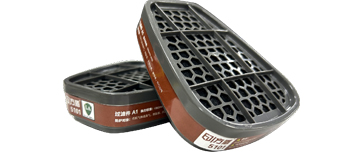
The correct way of wearing is equally important as the equipment. Before each use, it is necessary to conduct an air tightness check: seal the air inlet with your palm and slowly inhale. If the mask slightly collapses and there is no air leakage at the edges, it indicates that the wearing is qualified. Facial beard or scars may affect the sealing effect and require special attention. In addition, when there is a significant increase in respiratory resistance or obvious dust accumulation on the surface of the filter cotton, the filter cotton should be replaced in a timely manner and should not be washed with water before reuse.
Daily habits cannot be ignored either. During work, avoid eating or smoking in dusty areas to prevent pollutants from entering through the mouth. Wash your face and hands promptly after work, change to clean clothes, and avoid bringing dust into the living area.
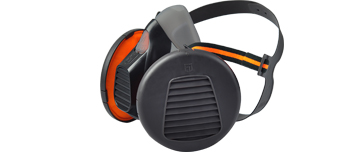
Finally, regular occupational health check ups are crucial. It is recommended to undergo annual lung function and chest imaging examinations, and establish personal health records. Once symptoms such as persistent coughing, chest tightness, or shortness of breath after activity occur, seek medical attention promptly and inform the doctor of a history of dust exposure.
Scientific protection is not a one-time solution, but a habit that runs through the entire work process. By improving the environment, standardizing the use of qualified protective equipment such as Fangdun, cultivating good hygiene habits, and regularly undergoing physical examinations, the health risks caused by dust exposure can be effectively reduced, providing long-term protection for occupational health.