English


Q: What is the difference between KN95, KN100, and Fangdun levels, and how should I choose them in daily life?
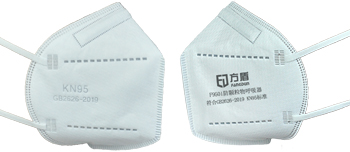
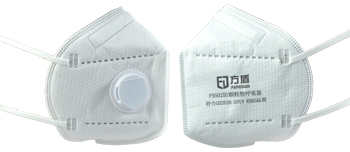
The main difference lies in filtering efficiency and applicable scenarios. The KN95 disposable mask complies with GB2626-2019 and has a filtration efficiency of ≥ 95% for non oily particles. It intercepts particles with a diameter of ≤ 0.3 microns and is suitable for daily dust prevention, light polishing, tile cutting, and other low to medium concentration, intermittent dust operations. KN100 is aimed at higher demand scenarios: KN100 filter elements have a filtration efficiency of ≥ 99.97% for non oily particles above 0.075 microns, suitable for high concentration or ultrafine dust environments such as coal mines, stone cutting, tunnel construction, etc. The starting point for selection is not 'the higher the level, the better', but to first determine the type and concentration of particulate matter on site, and then combine it with the duration of wearing.
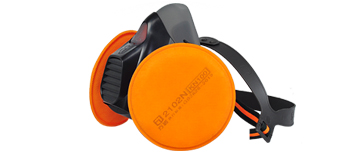
Q: To what extent is the respiratory resistance so low that it is difficult to remove after wearing for a long time?
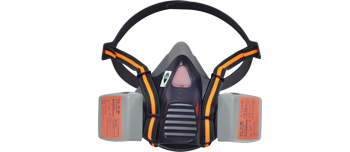
Resistance is an actual indicator that affects the willingness to wear continuously. The Fangdun series half face mask has an inhalation resistance of about 20Pa and an exhalation resistance of less than 50Pa; some models equipped with reduced resistance valve seat technology can further reduce exhalation resistance to below 35Pa. For users who need to wear masks continuously during a shift, resistance parameters are more directly related to whether they are willing to wear them all the time than simply looking at filtration efficiency - frequent removal of masks will compromise the protective effect.
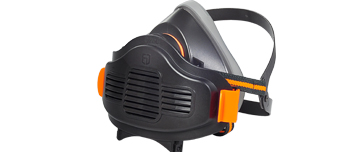
Q: When should the filter cotton be replaced? How long can the mask body last?
The replacement of filter cotton does not depend on the fixed number of days, but on four signals: the filter material is damp, the mask is deformed or damaged, there is an odor, and there is a significant increase in respiratory resistance. In high dust concentration environments, the continuous use time of KN100 filter cotton can exceed 30 days, provided that the resistance has not significantly increased and the filter cotton has not accumulated dust or discolored. The mask body itself does not have filtering function and needs to be used with filter cotton; The main body can be wiped with neutral detergent and stored dry. It can be used for a long time without damage, but the filter cotton cannot be washed with water, as washing with water will damage the electrostatic adsorption layer.
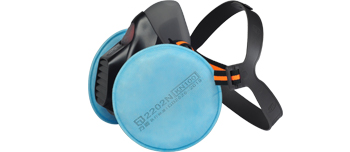
Q: Wearing a mask feels "stuffy" or "leaking", which one is more worth paying attention to?
Leakage "needs to be prioritized for investigation more than" stuffiness ". The filtration efficiency is a parameter at the level of the filter material, but the actual protective effect also depends on the tightness of the face. After wearing, a negative pressure self check should be performed: block the air inlet with your palm to inhale, and only when the cover slightly collapses and there is no obvious air leakage sound, can it be considered tightly closed; Facial beard can affect the fit. The 1105 series adopts a food grade liquid silicone cover combined with an adjustable headband, with the aim of improving bonding stability and reducing leakage caused by displacement or gaps. If the cover does not collapse or there is airflow passing through the edges during self inspection, adjust the position of the headband and nose clip first, rather than rushing to replace it with a higher grade filter cotton.