English
High concentrations of harmful particles such as dust and smoke often exist in the working environment of miners, and long-term inhalation may cause occupational diseases such as pneumoconiosis. Therefore, choosing a suitable dust mask is crucial. This article will introduce how to scientifically choose mining dust masks from the aspects of protection level, fit, comfort, and use and maintenance.
1. Clarify the requirements for protection level
There are various types of underground dust, including coal dust, silicon dust, metal dust, etc. The degree of harm of different particles varies, and masks with corresponding protection levels need to be selected. At present, the international standard divides the filtration efficiency of dust masks into multiple levels (such as KN95, KN100, etc.), and the higher the number, the stronger the protective ability. It is recommended that miners choose masks that reach at least KN95 level. If the dust concentration in the environment is extremely high or toxic particles are present, KN100 level masks should be selected.
2. Ensure that the face fits tightly together

The sealing of masks is the key to ensuring protective effectiveness. Even if the filtration efficiency is high, if there is a gap between the mask and the face, harmful substances may still be inhaled. When choosing, priority should be given to:
Adjustable nose clip: Ensure a tight fit at the nose bridge to avoid air leakage.
Multi strap design: Headwear is usually more stable than ear wear and suitable for high-intensity work.
Try on: Different face shapes are suitable for different mask models. Before initial use, a wearing test should be conducted to check for air leaks.
3. Balancing comfort and breathability
Miners have high labor intensity, and the comfort of masks directly affects the durability of work. Attention should be paid to:
Respiratory resistance: Choose a model with low respiratory resistance to reduce the feeling of suffocation when worn for a long time.
Lightweight material: avoids increasing facial burden, especially suitable for long-term shift work.
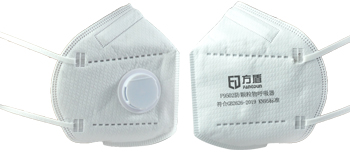
Damp heat management: Some masks are designed with exhalation valves to help remove moisture and heat, enhancing comfort.
4. Pay attention to the service life and replacement cycle
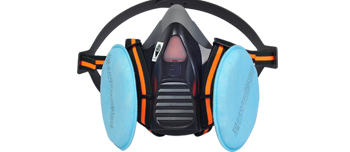
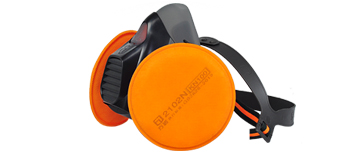
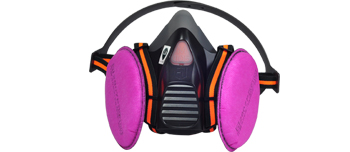
Dust masks are divided into two types: disposable and replaceable filter cotton:
Disposable masks: usually used for a short period of time (such as 8-40 hours), they need to be replaced in a timely manner according to the dust concentration in the working environment.
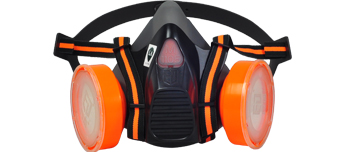
Removable mask: The filter cotton can be replaced separately with lower cost, but the mask body needs to be regularly checked for aging.
Regardless of the type, when there is a significant increase in respiratory resistance, a damaged or contaminated mask, it should be replaced immediately.
5. Compliant with safety certification standards
When choosing a mask, it is important to confirm that the product has passed national or international authoritative certifications (such as GB2626-2019 in China, NIOSH in the United States, etc.). Do not purchase non-standard products without labeling or certification to avoid ineffective protection.
6. Special scenario considerations
If harmful gases (such as gas and carbon monoxide) are present in the work environment, a comprehensive protective mask with both particulate matter and gas filtration functions (such as equipped with activated carbon layer or composite filter box) should be selected.